



.svg)


















%20Collectors%20Image.png?width=143&height=143&name=ADC%20(Ambient)%20Collectors%20Image.png)


When a dust collector starts needing repeat service, the next step is not always obvious. Should your team repair the existing unit, rebuild key components, or start planning for replacement? For plant managers, maintenance teams, and EHS leaders working with industrial dust collection systems in metalworking, woodworking, welding, or bulk material handling, that decision affects uptime, air quality, safety expectations, and operating cost.
Dust collector repair can make strong financial sense when the system is structurally sound and the problem is limited. Replacement becomes more reasonable when failures keep returning, performance drops across the facility, or the existing dust collector no longer supports current production needs.
In this post, we will look at both options clearly so you can evaluate system condition, repair costs, and the best path for your facility.
When Does Dust Collector Repair Make Sense?
Not every performance issue calls for a full replacement. In many cases, a targeted repair can restore airflow, stabilize pressure, and help the collector continue operating safely.
Repair often makes sense when the collector is relatively newer, the housing is in good condition, and the issue can be traced to one component or service area. This may include damaged filter media, worn valves, controls-related issues, fan problems, or a cleaning system that needs adjustment.
Common repair areas include:
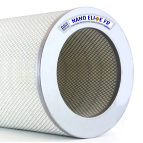
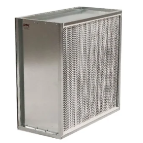
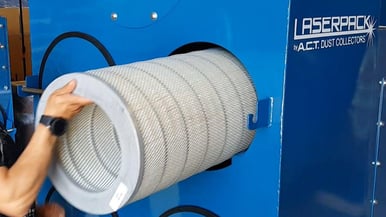
- Replacing filters: Loaded, damaged, or poorly sealed filters can restrict airflow, raise differential pressure, and allow dust bypass.
- Pulse cleaning components: A weak pulse cleaning cycle can leave dust packed into the filters, which raises resistance across the collector.
- Solenoid and diaphragm valves: If valves are not firing correctly, filters may not release dust during cleaning cycles.
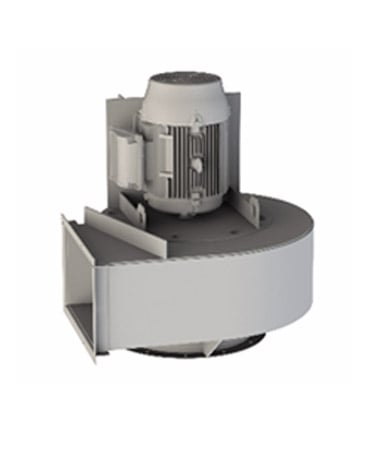
- Fan and motor service: Bearing wear, vibration, belt issues, or motor trouble can reduce airflow and add strain to the system.
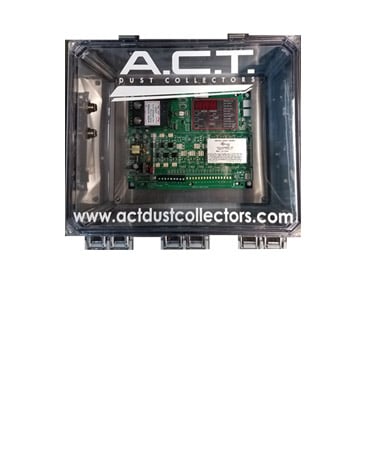
- Electrical troubleshooting: Timer boards, controls, sensors, and pressure gauges can affect how the collector runs and how clearly your team can monitor performance.
Repair is most effective when it restores performance without creating a new cycle of service calls. If the system is still properly sized for the application, continued maintenance may be the right decision. If you are unsure, talk to the A.C.T. team before committing to the next step.
Signs Your Dust Collection System is Becoming Too Costly to Repair
Replacement becomes worth considering when repairs no longer restore consistent performance or when each maintenance cycle brings a higher cost than expected. While age plays a role, the bigger concern is how the collector is impacting production, air quality, and reliability across your facility.
Common warning signs that point toward replacement include:
- Repeated breakdowns or rising repair costs
- Ongoing airflow issues or poor system performance after maintenance
- The system struggling to keep up with increased production or new processes
- Difficulty sourcing replacement parts, leading to extended production downtime
- Safety or compliance concerns, especially with combustible or fine dust
For safety-related planning, you can also review A.C.T.’s NFPA 660 compliance guide and explore available dust collection systems.
Comparing the Long-Term Costs of Repair vs Replacement
It helps to look beyond the immediate repair invoice. A repair might cost less today, but the real comparison is between what you will spend keeping an aging system running over the next several years and what a new system costs to own over that same period.
A few factors worth putting on the table:
|
Cost Factor |
Repair May Make Sense When |
Replacement May Make Sense When |
|
Labor cost |
Service needs are occasional and predictable |
Maintenance hours keep increasing |
|
Replacement parts |
Parts are available and reasonably priced |
Parts are obsolete, delayed, or difficult to source |
|
Production downtime |
Repairs fit planned maintenance windows |
Breakdowns are disrupting production |
|
Energy use |
Airflow and air pressure remain stable after service |
Fans, filters, or ducts remain restricted after service |
|
Maintenance frequency |
Issues are limited to normal wear items |
Collector repairs keep returning across different components |
|
Equipment lifespan |
The collector has useful service life left |
The system is near the end of its life or no longer fits the process |
A.C.T.’s guide on total cost of ownership can help frame the financial side of the decision.
Questions to Ask Before Making a Decision
Before committing to either path, it helps to answer a few direct questions:
- How old is the collector, and does its age realistically align with current production demands?
- Are frequent repairs becoming a pattern that signals deeper system limitations rather than isolated issues?
- Are repair events reducing production uptime more than initially assumed?
- Is the system meeting airflow requirements at the source, or are performance gaps showing up during production?
- Are replacement parts readily available, or is sourcing them becoming a growing operational risk?
- Has the facility evolved in ways that the original collector was never designed to support?
- Is the collector supporting a cleaner, safer work environment, or is it becoming harder to maintain that standard?
These questions help separate a repairable issue from a system-level problem. If the answers point to recurring downtime, higher costs, and declining control, replacement deserves a closer look.
Repair or Replace? The Best Choice Depends on Your Application
There is no universal answer because no two facilities operate the same way. A collector serving a single process in a light-duty application may have different repair economics than a system running multiple shifts in metalworking, fabrication, food processing, plastics, or woodworking.
Your decision should account for current performance, maintenance history, future production needs, and safety expectations. If the existing system is structurally sound, sized correctly, and responding well to preventive maintenance, repair may be enough. If the system is undersized, worn, inefficient, or creating repeated air quality concerns, replacement may be the better direction.
A system evaluation can help your team review airflow, filter condition, fan performance, ductwork, pressure readings, controls, dust characteristics, and overall facility needs. If your team is deciding between repair and replacement, talk to our team about your application or request a quote to make an informed choice.
Frequently Asked Questions
Can replacing filters solve dust collector performance problems?
Yes, replacing filters can solve performance problems when filter loading, damage, or poor sealing is the main cause. Choosing the right filters also matters because the wrong fit or filter media can affect airflow, pressure, and dust capture. A.C.T.’s guide on how the right dust collector filters improve performance and filter life explains this in more detail.
However, filters are only one part of the system. Fan issues, leaking ductwork, failed valves, poor pulse cleaning, or undersizing can also reduce performance after new filters are installed.
How often should industrial dust collectors be inspected?
Industrial dust collectors should be inspected on a routine schedule, with frequency based on dust load, operating hours, and application risk. Many facilities monitor pressure readings, pulse cleaning, hopper condition, visible emissions, door seals, and air lines during scheduled checks. Our dust collector inspection and maintenance checklist offers a helpful starting point.
What is the average lifespan of an industrial dust collector?
An industrial dust collector often lasts around 10 to 20 years, but lifespan depends on dust type, operating hours, maintenance quality, and application conditions. Filter service life is usually shorter than collector service life. Our detailed guide on complete dust collector filter changeouts explains when filtration components may need a full refresh.
How does aging equipment impact system performance?
Aging equipment can reduce airflow, increase differential pressure, and make dust capture less consistent. Common causes include declining filter performance, corrosion, structural wear, leaking ductwork, worn door seals, reduced pulse cleaning effectiveness, and higher maintenance requirements. These costs may not appear in a single repair invoice, but they can affect reliability over time.
When do dust collector repair costs become too high?
Repair costs become too high when they keep returning without restoring reliable performance. Instead of using one fixed dollar amount, compare repair frequency, labor hours, downtime, part availability, energy use, and declining dust capture.
How do new dust collection systems improve performance?
Modern dust collection systems offer several performance and maintenance advantages:
- Advanced filter media options that capture finer particles while maintaining consistent airflow
- Optimized airflow design that reduces pressure loss and improves overall system efficiency
- Enhanced pulse cleaning mechanisms that extend filter life and reduce maintenance frequency
- High-efficiency fans and smarter control systems that adapt to changing production demands
- Improved access points that make inspections, filter changes, and routine service faster and safer
- Proper system sizing that supports cleaner air, steadier operation, and stronger alignment with OSHA and NFPA dust control expectations
Together, these improvements can help an industrial facility move from reactive maintenance to more stable, predictable dust control, especially when the system is properly selected for the application.
.png?width=240&height=91&name=ACT%20Dust%20Collectors%20Logo%20Solid%20White%202020%20(1).png "ACT Dust Collectors Logo Solid White 2020-2")
.png?width=148&height=149&name=usa-manufactured-dust-collectors%20(1).png "United States Flag")