<img src="https://www.enterpriseagileconsortium.com/817616.png" style="display:none;">
Dealer Login
BECOME A DEALER
REQUEST A QUOTE

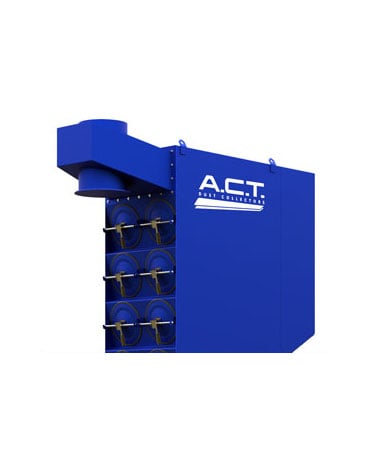
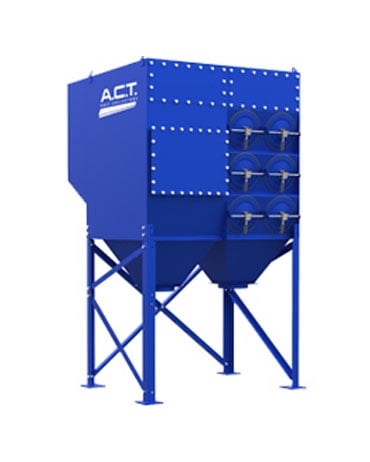
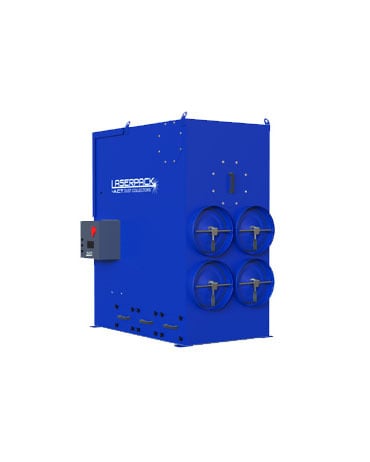
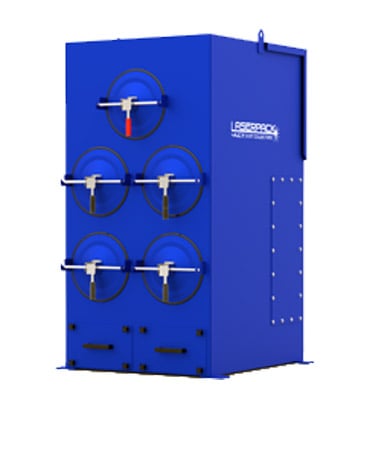
WeldPack Welding Dust Collectors

ACT LP8 + Weld HOOD CGI for Website-1

A welding dust collector captures fine dust, smoke, and fumes generated during welding before airborne contaminants spread throughout the work environment. Effective source capture helps maintain cleaner air around the welding process while reducing particulate buildup on nearby equipment.

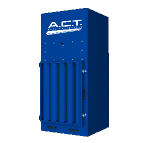
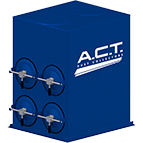
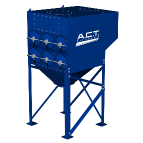
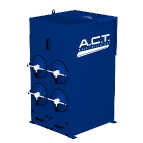
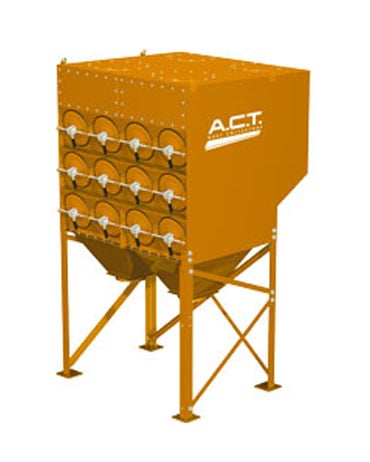
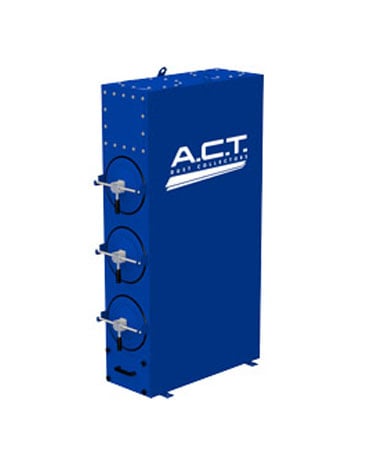
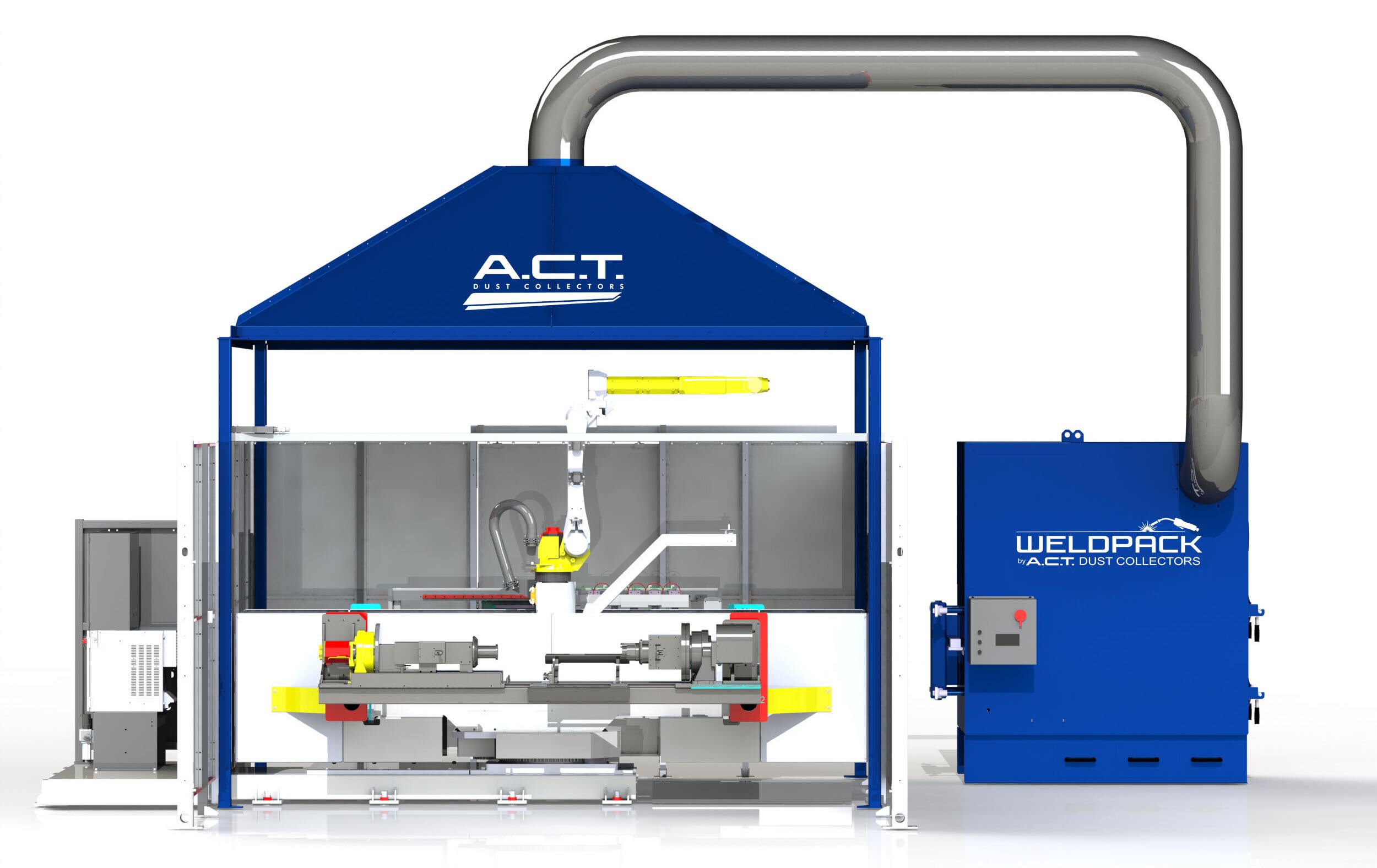
A.C.T. Dust Collectors' WeldPack Series is designed specifically for robotic welding fume extraction. Available in multiple sizes, WeldPack systems provide industrial cartridge filtration for robotic weld cells that need reliable airflow and fume collection during continuous production. For more on why robotic welding cells require dedicated fume extraction, see our robotic welding fume extraction guide.

How Does a Welding Dust Collector Work?

A welding dust collector draws contaminated air away from the welding process and routes it through filter cartridges that capture fine welding dust and fume particles. Filtered air can then be returned to the facility or exhausted outdoors, depending on the system design and application requirements.

An automatic pulse-cleaning system periodically removes accumulated particulate from the filter cartridges to help maintain consistent airflow and filtration performance. Capturing weld fumes close to where they're generated also limits the amount of airborne particulate that can spread beyond the robotic welding cell.

Industries That Use WeldPack Systems

WeldPack systems are common in robotic welding cells across automotive manufacturing, heavy equipment production, and metal fabrication, where robots run continuous welding cycles with minimal operator intervention. These industries typically run multiple shifts, which makes reliable, low-maintenance fume extraction more important than in manual welding operations where a station might sit idle between jobs.

Choosing the Right Welding Dust Collector

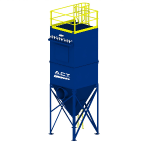
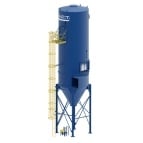
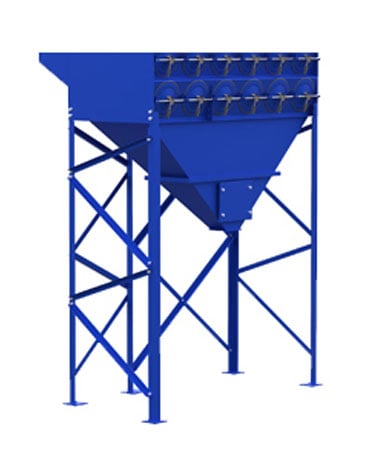
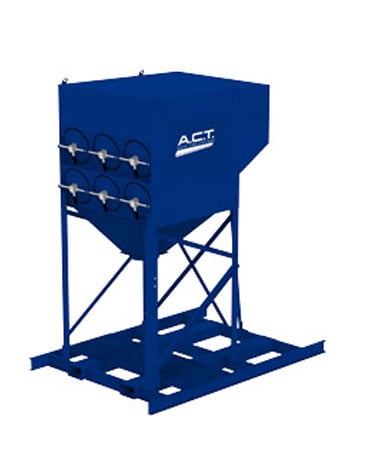
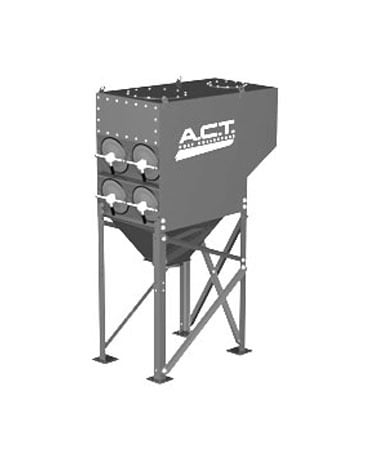
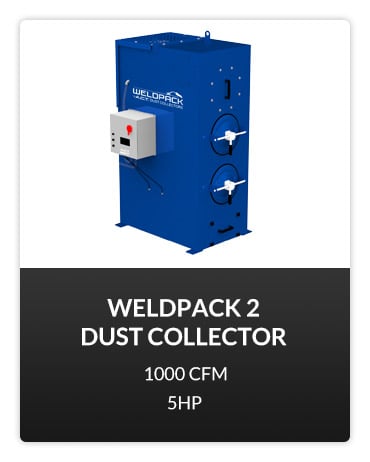
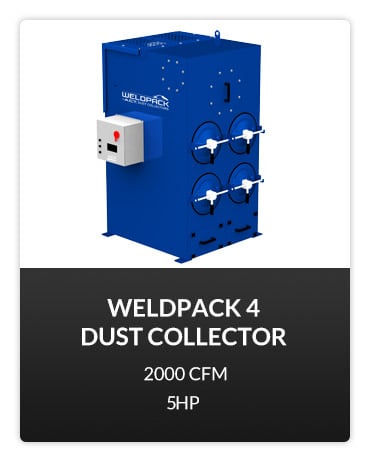
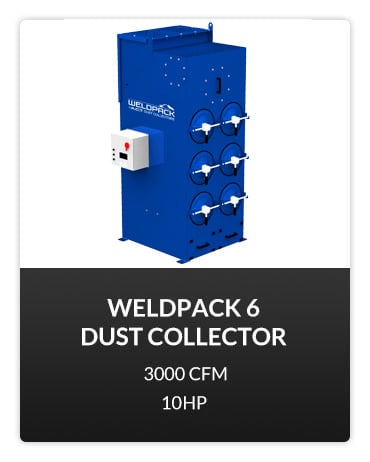
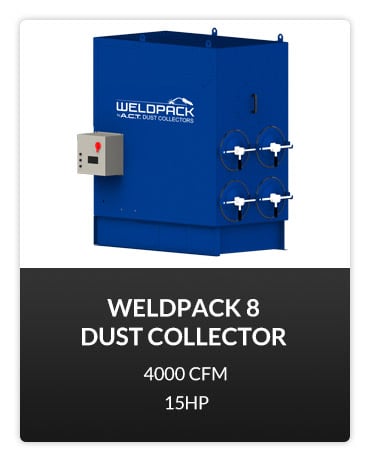
A.C.T. Dust Collectors offers WeldPack 2, WeldPack 4, WeldPack 6, and WeldPack 8 systems, sized to match different robotic weld cell configurations and airflow requirements. Smaller WeldPack models suit a single robotic cell, while larger configurations support cells with higher airflow demands or multiple capture points. Facilities running several robotic weld cells may also consider A.C.T.'s centralized cartridge dust collectors, which can serve multiple cells through shared ductwork rather than requiring a dedicated WeldPack unit per cell.

Talk with the A.C.T. Dust Collectors team to determine which WeldPack configuration fits your application.


BROWSE OUR WeldPack Series:

Frequently Asked Questions

What does a welding dust collector remove?

A welding dust collector captures fine dust, smoke, and airborne particulates generated during welding. The system draws contaminated air away from the welding process and filters the particulate before clean air is returned to the facility or exhausted outdoors, depending on the system design.

How do I choose the right size WeldPack system?

WeldPack sizing depends on the number and size of your robotic weld cells, the welding process, materials being welded, and required airflow. Smaller configurations suit a single cell, while larger WeldPack models or a centralized cartridge system may fit facilities running multiple weld cells.

What's the difference between WeldPack and a centralized cartridge dust collector?

WeldPack systems are sized for individual or small groups of robotic weld cells, providing dedicated fume extraction at the source. A.C.T.'s centralized cartridge dust collectors instead serve multiple weld cells through shared ductwork, which can simplify maintenance for facilities running several robotic welding stations.

Can one WeldPack system serve multiple robotic weld cells?

It depends on the WeldPack model and the airflow requirements of the cells involved. Larger WeldPack configurations can serve more than one cell, but facilities with several robotic weld cells spread across a larger footprint often get better performance from a centralized cartridge system instead.

How does pulse cleaning help a welding dust collector maintain airflow?

Pulse cleaning uses short bursts of compressed air to remove accumulated particulate from the filter cartridges. Clearing the filter media helps prevent excessive dust buildup from restricting airflow, allowing the welding dust collector to maintain more consistent filtration performance during operation.