<img src="https://www.enterpriseagileconsortium.com/817616.png" style="display:none;">
Dealer Login
BECOME A DEALER
REQUEST A QUOTE

Sanding Dust Collection Applications

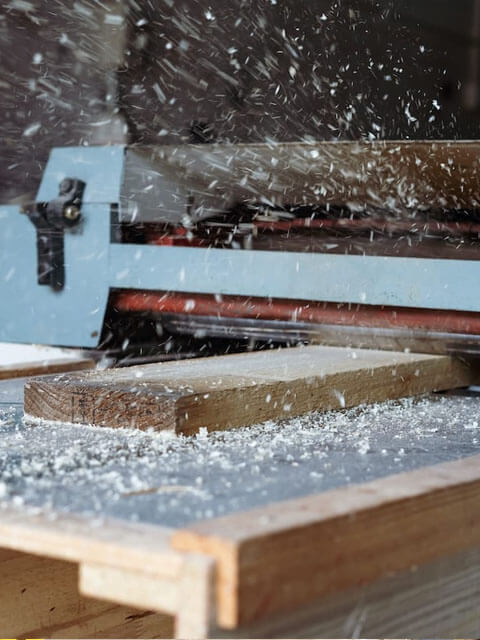
Dust is an annoying byproduct of sanding, whether from wood, metal, plastics, etc. This fine, powdery dust can also have negative effects on your health and work environment, as well as your equipment.

Allowing dust to accumulate on your equipment can cause defects, as you could be sanding the dust particles into your surface, rather than sanding the work surface itself. If dust is left on the surface when applying stains or other similar products, these defects will be visible in the finish. As a result, you’ll end up spending more time sanding your pieces.

This accumulation of dust can pose a potentially hazardous condition — combustible dust — generated from products such as wood, metals and plastics.

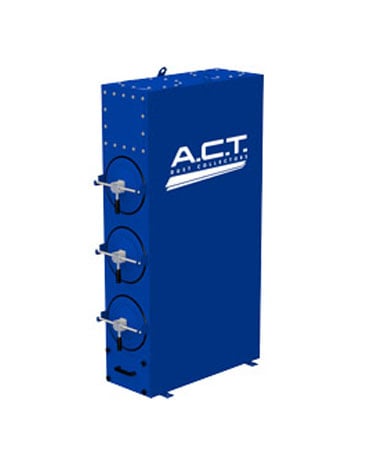
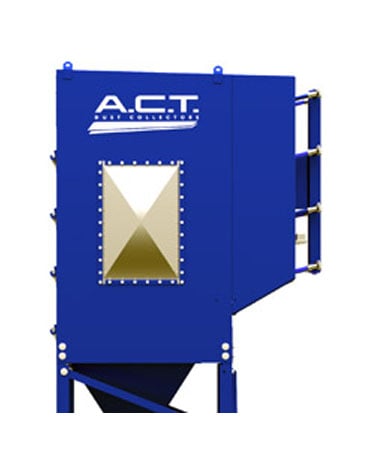
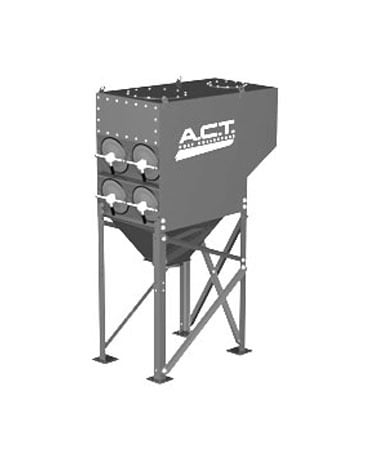
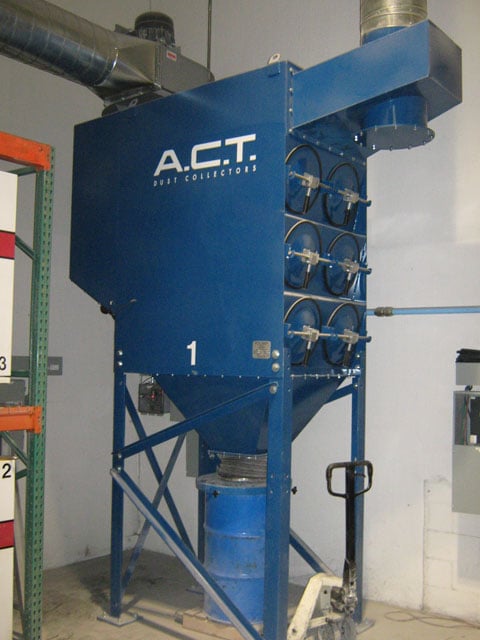
Prevent combustible dust in your facility with a fine particle dust collector from A.C.T. Dust Collectors.

Advantages of Our Dust Collectors for Fine Particulates

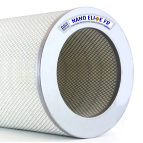
Every sanding dust collector we manufacture comes standard with high-efficiency Nano-Elite cartridge filters that feature a Minimum Efficiency Reporting Value (MERV) 15 rating for effective collection of extremely fine dust — capturing 99.99% of particulate from the air. Additionally, our dust collectors for sanding:

  • Designed and built with the user in mind, meaning less maintenance time and cleaner air
  • Are safer and easier to use overall
  • Can be up and running in no time, from RFQ to installation
  • Are backed by a team of experts
  • Happier employees

With a sanding dust collector on site, not only will you clear the air of combustible dust, but you’ll improve employee efficiency, increase employee retention, help ensure a safe working environment and reduce equipment maintenance costs.

Contact us today to learn more about our fast, efficient and effective dust collection solutions. Our team will assist in choosing the perfect dust collector for sanding, whether it’s your first dust collector or an upgrade to a current system.

Featured Dust Collectors for Sanding & Finishing

VIEW ALL COLLECTORS

Featured Resources

Sanding Dust collection Application FAQs

What type of dust collector is best for sanding applications?

A cartridge dust collector is typically the best choice for sanding applications because it efficiently captures the fine dust generated when sanding wood, metal, composites, and plastics. High-efficiency cartridge filters remove airborne particulate before it settles on equipment or finished surfaces, while properly sized airflow maintains effective source capture. Selecting the right collector helps improve finish quality, reduce cleanup, and maintain a cleaner work environment.

How does a sanding dust collection system work?

A sanding dust collector pulls fine, powdery dust away from the work surface before it settles on equipment or embeds in the material being finished. Nano-Elite cartridge filters, rated MERV 15, capture 99.99% of particulate from the airstream. This keeps sanding surfaces clean and prevents dust from causing surface defects in stains or coatings.

Is sanding dust combustible, and what safety concerns should I consider?

Yes, sanding dust from wood, metal, or plastic can be combustible depending on particle size and concentration. Wood dust, certain plastics, and many metal dusts can create combustible dust hazards when allowed to accumulate. Fine airborne dust may also affect employee health and indoor air quality. A properly designed dust collection system helps reduce dust buildup while supporting OSHA and applicable NFPA safety requirements.

How can I improve dust capture and finish quality during sanding?

Improving dust capture during sanding starts with maintaining consistent airflow and effective source capture. Proper hood placement, adequate airflow, and routine filter maintenance help remove fine dust before it settles back onto the workpiece. Monitoring differential pressure also ensures the dust collector continues operating efficiently, reducing rework and producing cleaner, more consistent surface finishes.

Should I use a downdraft table or a central dust collection system for sanding?

A downdraft table is ideal for dedicated sanding workstations, while a central dust collection system serves multiple sanding stations or machines from a single collector. The right choice depends on your production volume, facility layout, and future expansion plans.


Downdraft Table

Central Dust Collection System

Best for

Dedicated sanding workstations

Multiple stations or machines

Dust capture

Through the work surface

Connects several tools to one collector

Footprint

Smaller, localized

Larger, facility-wide ductwork

Scalability

Best added per station

Built to support growth across lines

Maintenance

Per-unit filter service

Centralized filter service and monitoring