Industrial Dust Control for Scrap and Recycling Operations
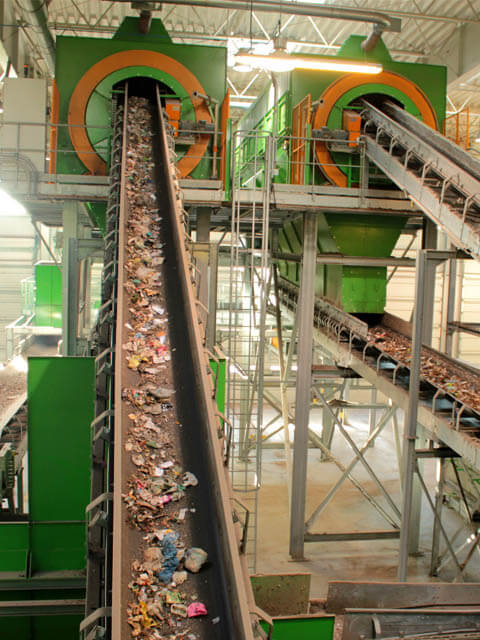
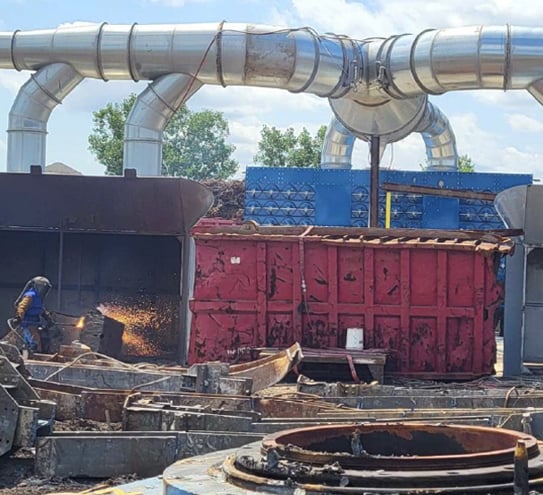
Scrap and recycling operations create dust at almost every step of the process. Feed conveyors drop material into shredders. Mobile shears and torch cutters break down oversized scrap. Magnets, grapples and loaders move piles from one area to another. Each impact, cut or drop can send industrial dust particles into the air.
Without effective scrap yard dust control, that dust can travel across your entire site. It settles on equipment, drifts toward neighboring properties, and can even be pulled back into enclosed processing buildings. Over time, that means:
- Poor visibility around active equipment
- Extra wear on bearings, hydraulics and electrical components
- More frequent housekeeping and unplanned downtime
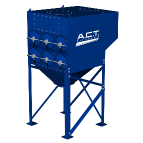
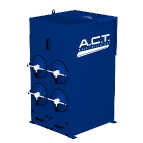
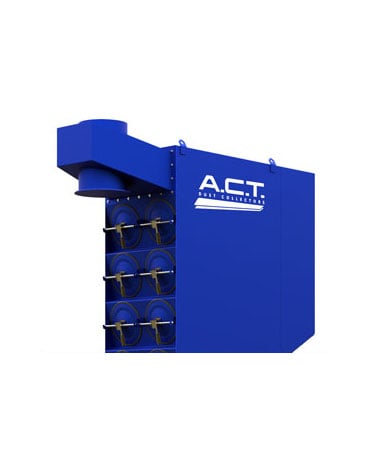
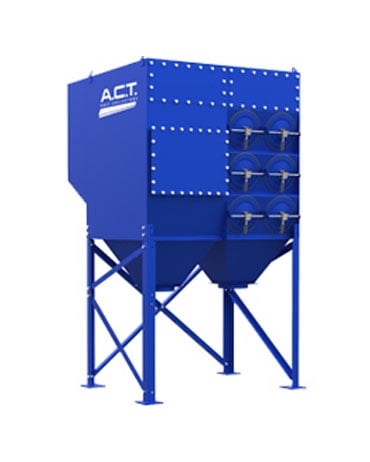
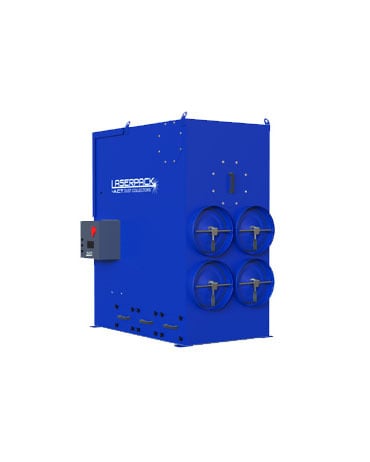
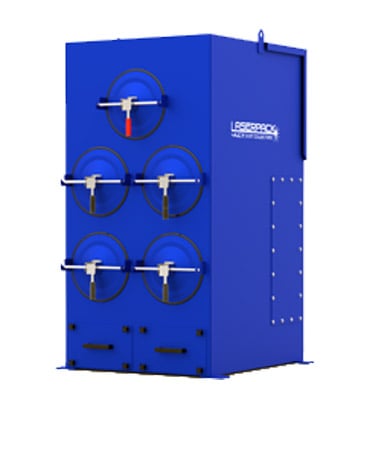
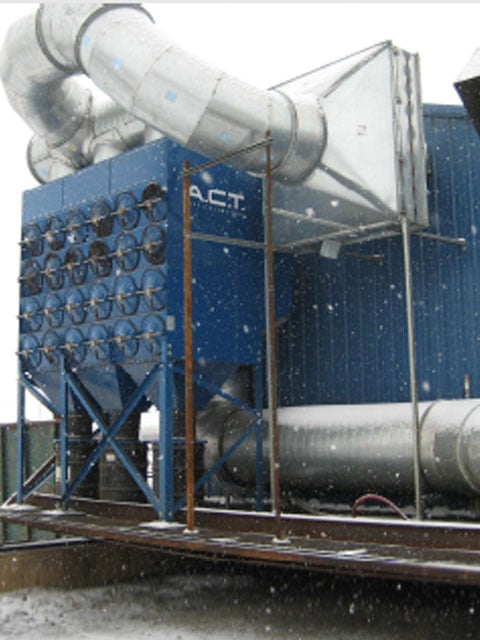
Industrial dust collectors give you a way to capture these particles and return cleaner air back to the facility or exhaust air at a much lower particulate concentration. For enclosed shredders, cutting tables, balers and sort lines, cartridge or baghouse collectors with properly designed hoods and ductwork are often the backbone of an effective dust control strategy.
With A.C.T., scrap and recycling customers can expect rugged construction, engineered lifting lugs, formed doors for stiffness and deep gaskets to help maintain a tight seal - all important when your collector is exposed to heavy dust loading and outdoor weather. Every system is test-fit and quality-checked before it leaves the factory so you get consistent performance from day one.
Why Scrap Yard Dust Is a Safety and Compliance Concern
Scrap yard dust is more than a housekeeping issue. Fine metal particles can create serious health, visibility and fire hazards if they are not managed properly. According to OSHA, accumulated combustible dust has been a factor in numerous industrial fires and explosions.
In a typical scrap yard, dust risks show up in a few key ways:
- Respiratory and health risks: Cutting, shredding and grinding can generate respirable particles that may irritate the lungs or carry metals and other contaminants. OSHA guidance for metal scrap recycling highlights the need for respiratory protection and adequate ventilation wherever hazardous dust is present.
- Combustible dust hazards: Very fine metal or mixed-material dust can ignite or explode if it accumulates and is dispersed in air with an ignition source. NFPA 484 (for combustible metals) and related standards outline requirements for assessing and controlling these hazards in metal processing and recycling operations.
- Visibility and equipment safety: Dust clouds around mobile equipment, torch cutting lines or processing buildings make it harder for operators to see pedestrians and obstacles, contributing to potential accidents.
A well-planned scrap yard dust suppression system helps you address these concerns. By limiting airborne and settled dust, you support worker health, improve line of sight around heavy equipment, and demonstrate due diligence under OSHA’s general duty and housekeeping requirements related to combustible dust and walking-working surfaces.
A.C.T. Dust Suppression Solutions for Scrap Recycling
Every scrap and recycling facility is different. Outdoor torch cutting behaves differently from enclosed electronics shredding or mixed-material sorting. That’s why A.C.T. focuses on application-driven designs rather than a one-size-fits-all unit.
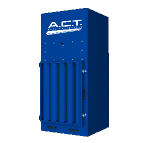
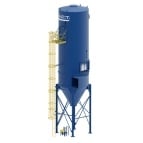
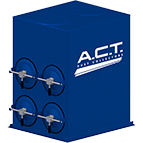
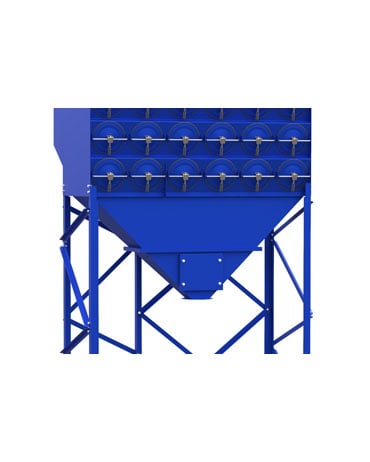
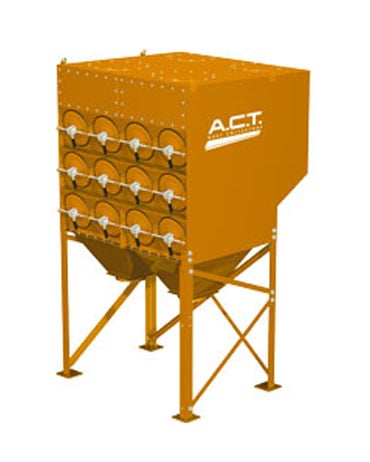
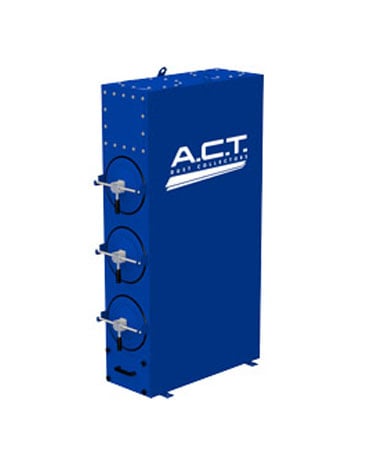
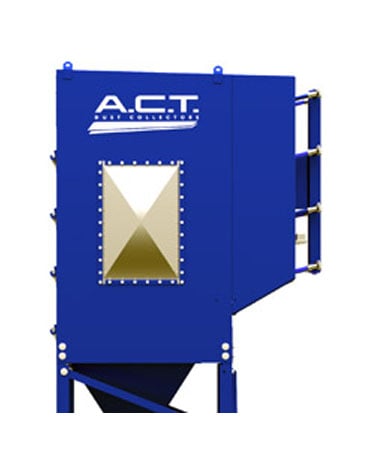
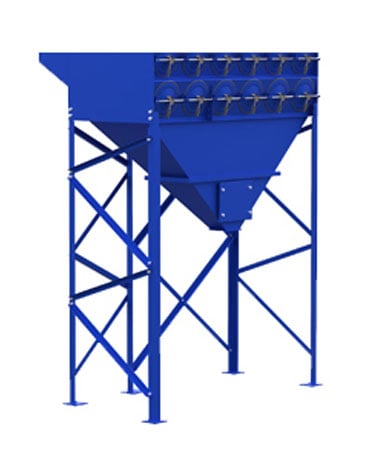
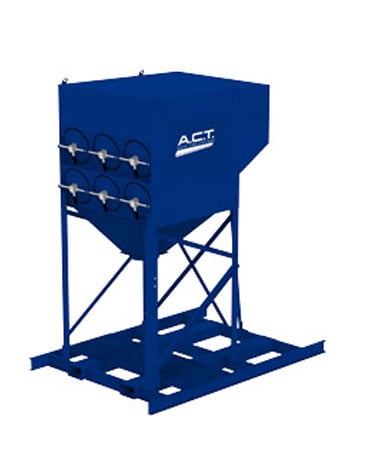
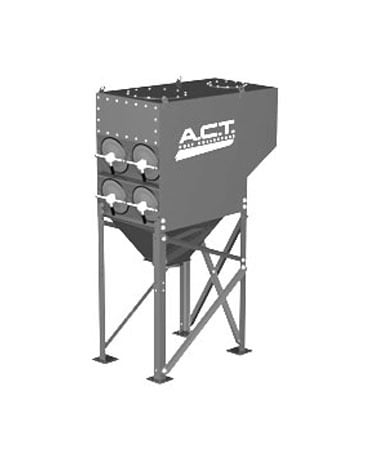
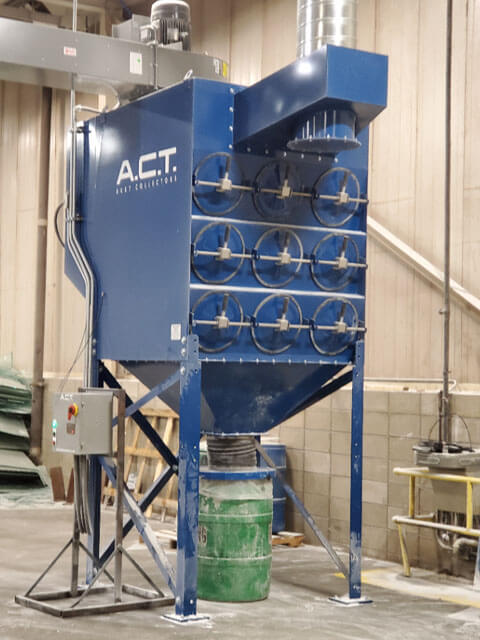
For enclosed processes such as shredders, balers and indoor cutting operations, A.C.T. cartridge or baghouse dust collectors provide high-efficiency filtration with downward-flow technology. Dirty air enters near the top of the housing, dust loads onto the outside of the filters, and gravity helps particles fall away into the hopper as the air moves through the system.
For outdoor cutting and high-load environments, we combine these collectors with engineered capture solutions, such as:
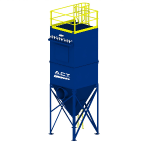
- Roof-mounted collectors ducted to cutting zones
- Movable buildings or hoods that travel on rails with the work area
- Heavy-duty inlet designs to handle sparks and hot particles
These systems can be scaled from smaller lines around 1,000 CFM to large multi-point systems approaching 75,000 CFM, depending on your scrap volume and the number of pickup points.
If you need to move quickly, A.C.T. also stocks selected dust collector models that are ready to ship, helping you address critical dust and fume issues without waiting through long industry lead times.
Dust Suppression Systems Used in Scrap Processing
In many scrap yards, dust collection alone is not enough. Large outdoor piles, mobile torch cutting and material drops from height all create dust clouds that are difficult to capture with hoods and ductwork. This is where dust suppression systems come in.
Dust suppression focuses on treating the air and material at the source, rather than only pulling it into filters.
How Atomized Mist Systems Work in Scrap Yards
Atomized mist systems are popular in scrap recycling because they can cover large outdoor areas without soaking equipment or creating runoff problems. These systems use pumps and specially designed nozzles or cannons to turn water into millions of tiny droplets - typically in the range of a few dozen to a few hundred microns in diameter.
When the droplet size is similar to the size of airborne dust particles, the droplets collide with and capture the dust. The combined mass becomes heavy enough to fall out of the air and settle, instead of drifting off-site. Mist systems are widely recognized for improving control of fine particles, and additives such as surfactants can help optimize how effectively droplets interact with airborne dust.
Because atomized mist uses relatively low water flow compared to traditional sprinklers, it can provide effective dust control with less water consumption and less mud around equipment. That makes it especially useful near torch cutting lines, inbound scrap piles and loading areas where you want to control dust particles without slowing operations.



.svg)



















%20Collectors%20Image.png?width=143&height=143&name=ADC%20(Ambient)%20Collectors%20Image.png)



.png?width=240&height=91&name=ACT%20Dust%20Collectors%20Logo%20Solid%20White%202020%20(1).png "ACT Dust Collectors Logo Solid White 2020-2")
.png?width=148&height=149&name=usa-manufactured-dust-collectors%20(1).png "United States Flag")