<img src="https://www.enterpriseagileconsortium.com/817616.png" style="display:none;">
Dealer Login
BECOME A DEALER
REQUEST A QUOTE

Grinding Dust Collector Applications

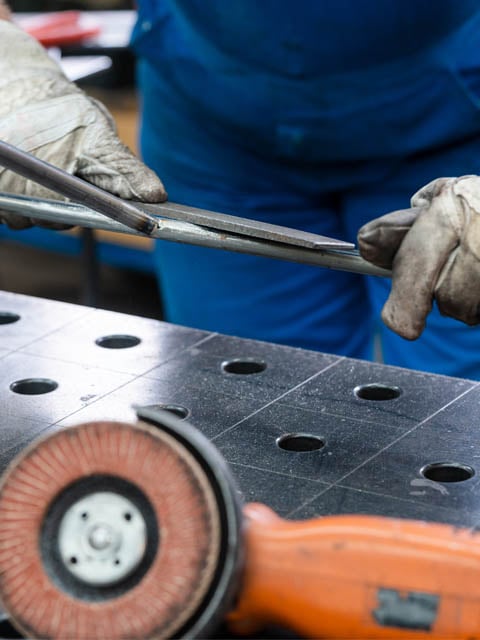
Metalworking equipment tends to generate a lot of dust that needs to be removed from the air. That includes the fine dust that is produced during the grinding and deburring of metals and non-ferrous metals.

When metal particles from grinding and other metalworking applications become airborne, metal dust becomes a hazard.

While grinding dust can’t be completely avoided, it can be contained and controlled. Even with state-of-the-art equipment, grinding dust has to be dealt with so that you can:

  • Keep your plant running efficiently with few or no interruptions
  • Retain team members and ensure they’re productive and happy
  • Maintain a safe and clean work environment
  • Reduce equipment maintenance costs

Having a proper industrial grinding dust collector in place will help keep your employees safe and the company in compliance with regulations and standards. By providing suitable grinder dust collectors, employees are happy and employee turnover is often reduced. This often translates to increases in production and company growth.

Discover the Benefits of a Dust Collector for Grinding Metals

Not sure if you need a dust collection system? If you can see, smell or taste dust in the work area, there is a need to “air out” the work area, the HVAC filters are continually clogged with dust or pieces of equipment in the facility are covered with a thick layer of dust, then you likely need an industrial grinding dust collector.

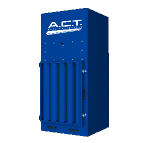
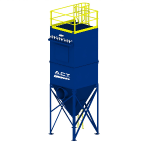
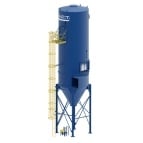
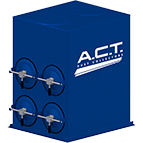
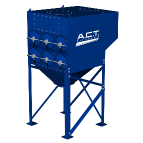
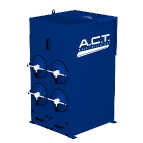
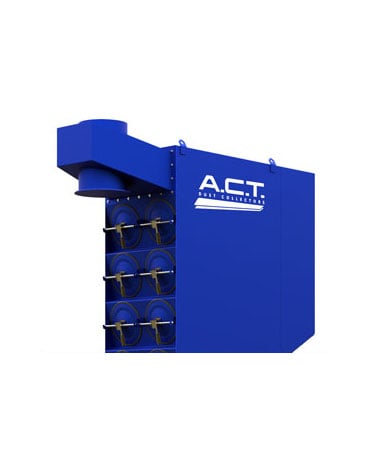
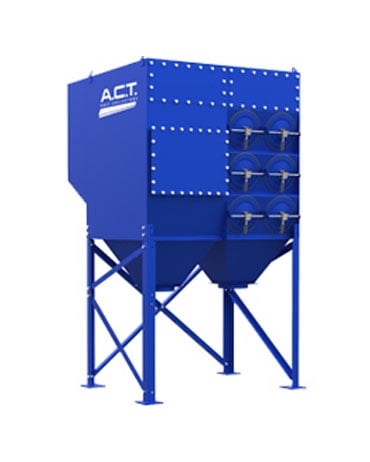
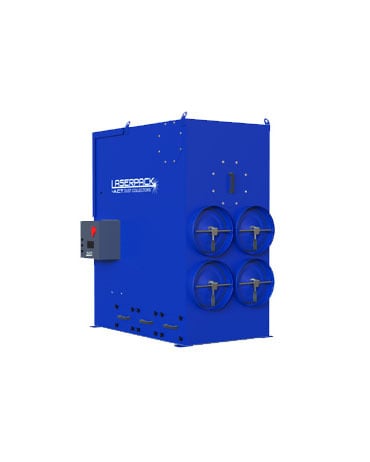
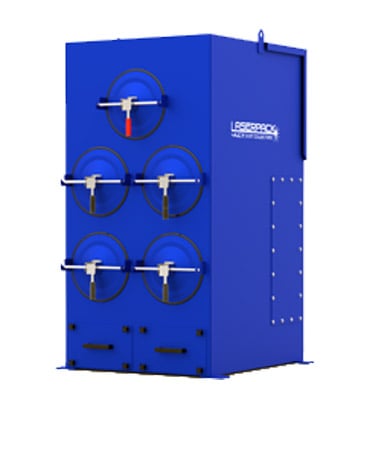
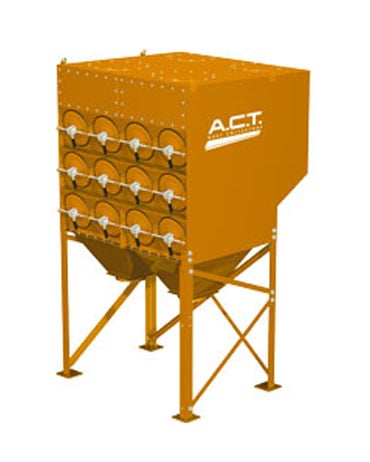
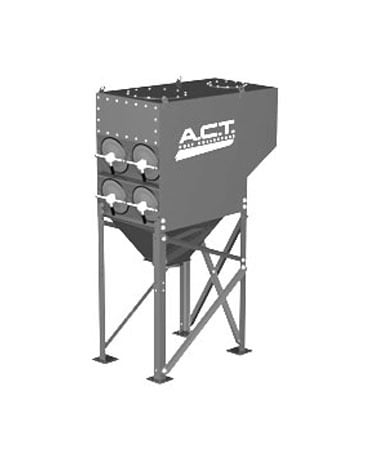
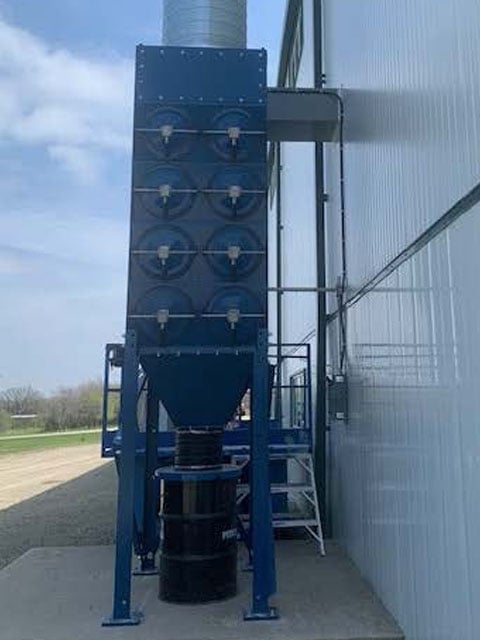
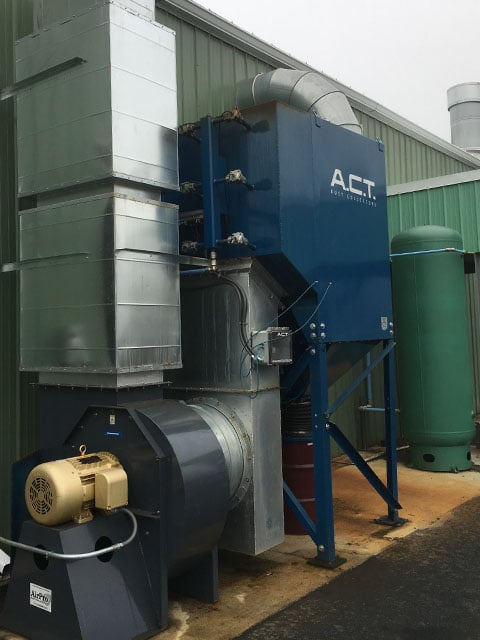
Fortunately, A.C.T. Dust Collectors offers solutions for your grinding dust collection needs. We promote hassle-free, cost-effective plant operations, and our experienced engineers work with you to select the correct size metal grinder dust collector and configuration to best capture dust, fume or smoke from your metalworking process.

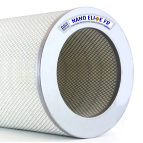
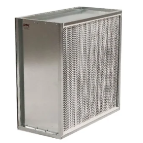
Every industrial grinding dust collector we manufacture comes standard with high-efficiency Nano-Elite cartridge filters that feature a Minimum Efficiency Reporting Value (MERV) 15 rating for effective collection of extremely fine dust — capturing 99.99% of particulate from the air. Designed with quality, value and simplified maintenance in mind, quick-lock, easy-access filter doors and downward flow technology are exclusive features that allow for easy access, fast filter replacements and reduced downtime.

Looking for the best industrial grinding dust collector for your facility? Contact us today to speak with one of our experts.

Featured Dust Collectors for Grinding & Welding

VIEW ALL COLLECTORS

Featured Resources

Grinding Dust Collector FAQs

What type of dust collector is best for grinding and deburring applications?

Cartridge dust collectors are the preferred choice for most grinding and deburring applications because they're designed to capture fine metal dust while maintaining high airflow and efficient filtration. The right system depends on the type of metal being processed, the number of grinding stations, dust volume, and airflow requirements. A properly engineered grinding dust collection system improves air quality, reduces housekeeping, protects equipment, and helps maintain consistent production. Selecting a system based on your specific application ensures reliable performance and easier long-term maintenance.

How does a grinding dust collection system capture fine metal dust?

A grinding dust collection system captures airborne metal particles at or near the source before they can spread throughout the facility. Dust-laden air is drawn through ductwork into the dust collector, where high-efficiency cartridge filters remove fine particulate while allowing clean air to pass through. Pulse-cleaning systems periodically remove accumulated dust from the filters to maintain airflow and extend filter life.

Does grinding dust require OSHA or NFPA compliance?

Many grinding operations must comply with OSHA regulations that address employee exposure to airborne metal dust. Depending on the material being processed, some facilities may also need to evaluate NFPA standards for combustible dust. Metals such as aluminum, magnesium, and titanium can create combustible dust hazards under certain conditions. A properly designed dust collection system helps control airborne contaminants, improve workplace safety, and support your facility's overall compliance efforts. Because every application is different, compliance requirements should be evaluated based on the specific materials and processes used.

How often should filters be replaced in a grinding dust collector?

There isn't a fixed replacement schedule because filter life depends on dust loading, operating hours, filter media, and maintenance practices. Instead of replacing filters on a calendar, monitor system performance for signs that service is needed, including:

  • Increased differential pressure
  • Reduced airflow
  • Dust escaping the collection system
  • More frequent pulse cleaning
  • Declining dust capture efficiency

Regular inspections and preventative maintenance help maximize filter life while keeping the dust collection system operating at peak performance.

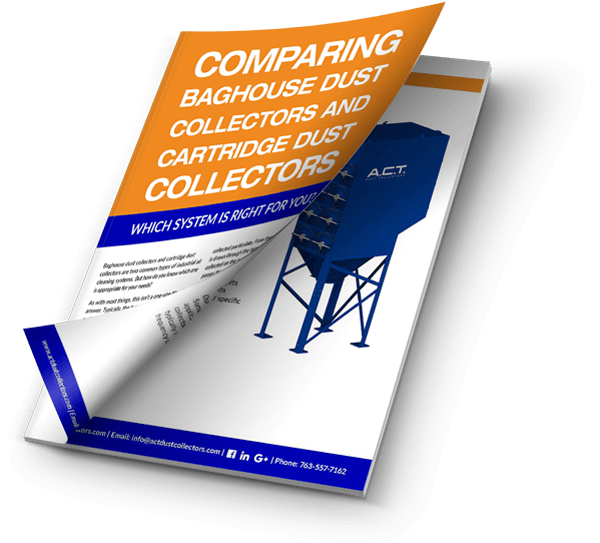
Cartridge dust collector vs. baghouse: Which is better for grinding dust?

For most grinding and deburring applications, cartridge dust collectors are the preferred choice because they provide excellent filtration for fine particulates while requiring less floor space. Baghouse systems may be appropriate for applications with exceptionally high dust volumes or unique process requirements.

Cartridge Dust Collector

Source Capture System

Excellent for fine metal dust

Better suited for heavier, high-volume dust loads

Compact footprint

Larger system footprint

High filtration efficiency

Designed for high air volumes

Easy cartridge replacement

Uses filter bags that require different maintenance