Why Robotic Weld Cells Need Dedicated Fume Extraction
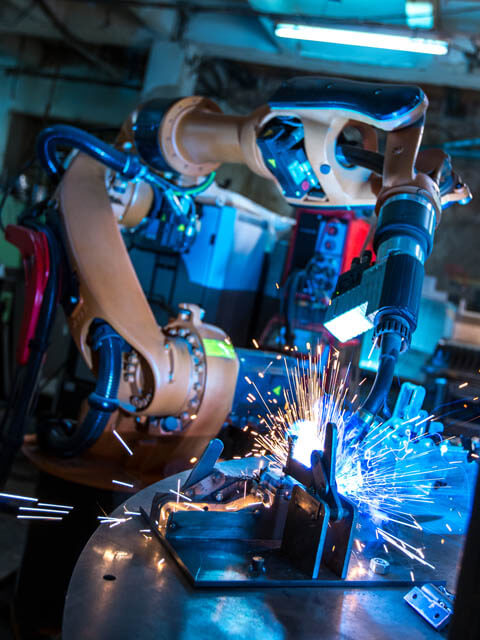
Robotic weld cells generate fine airborne particulates that build up quickly inside an enclosed or semi-enclosed workspace. Without an effective extraction solution, welding smoke settles on robotic arms, optical sensors, fixtures, and other components inside the cell, increasing maintenance demands and putting weld quality at risk if sensors lose accuracy.
A properly sized dust collector captures fumes as they're generated, removing particulate from the welding area before it spreads through the cell. That keeps air quality consistent for any technician who enters for setup or service, and keeps sensitive equipment inside the cell running the way it's supposed to.
How Fume Extraction Works in a Robotic Welding Cell
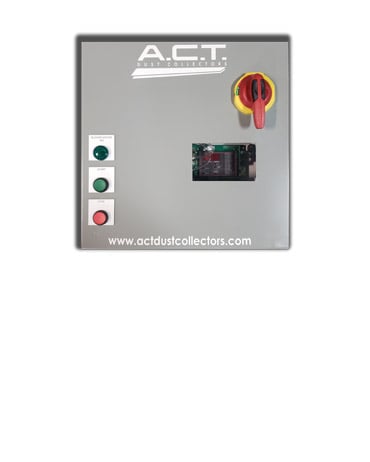
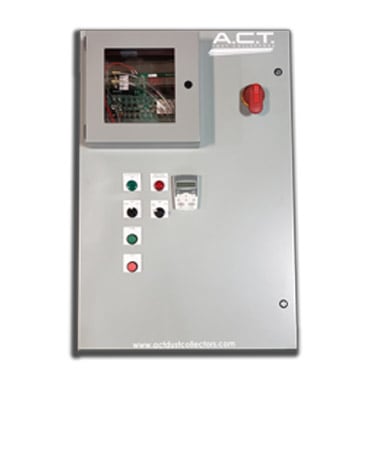
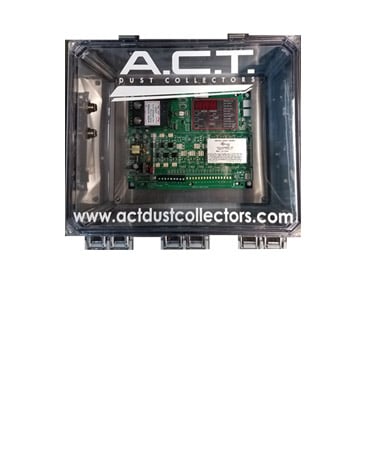
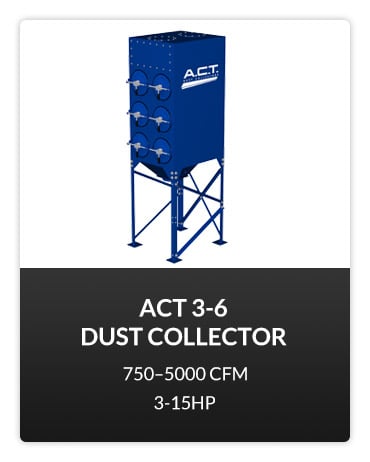
Fume extraction for a robotic weld cell starts with a capture point, whether a fixed hood or an extraction arm tracked to the robot, positioned to pull smoke away from the arc as it forms. Ducting routes that air to a cartridge dust collector, where high-efficiency filters remove fine welding particulates before clean air is returned to the facility or exhausted outside. A digital control panel manages reverse-pulse cleaning automatically, keeping filters clear without manual intervention.
For facilities running several robotic welding cells, one centralized system can often serve multiple cells at once, cutting down on the number of individual units a facility has to install and maintain.
Sizing Fume Extraction for Your Facility
The right system depends on a few facility-level variables.
|
Variable
|
Why It Matters
|
|
Number of robotic weld cells
|
Determines whether one collector can serve multiple cells or each cell needs a dedicated unit
|
|
Welding process and materials
|
Affects fume volume and whether additional filtration is needed for hazardous metals
|
|
Facility layout
|
Impacts ducting length and whether cell hoods or full enclosure capture make more sense
|
|
Air quality and safety requirements
|
Determines exhaust versus recirculation strategy and required filtration efficiency
|
|
Production schedule
|
Influences how much downtime the facility can tolerate for filter service
|
|
Future expansion
|
Lets the system take on additional welding cells without an early replacement
|
Facilities scaling from one robotic cell to several often plan fume extraction with that growth in mind, since a system sized only for current output can need replacing sooner than expected. A properly designed system also supports OSHA workplace safety requirements and helps facilities maintain consistent indoor air quality as welding cells are added.
A.C.T. Dust Collectors for Robotic Welding
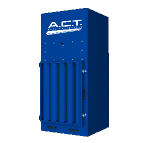
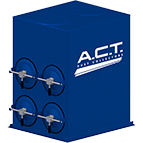
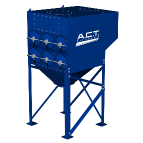
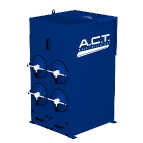
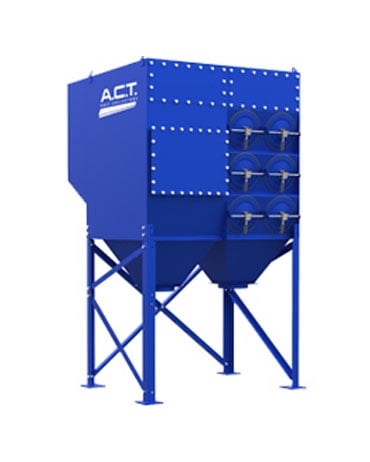
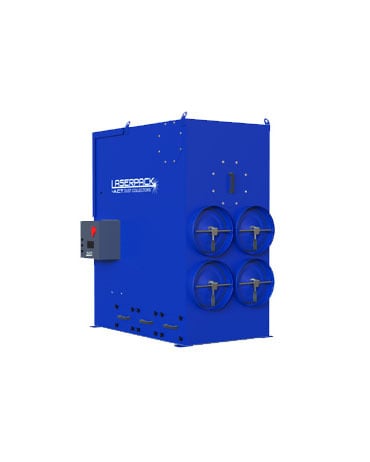
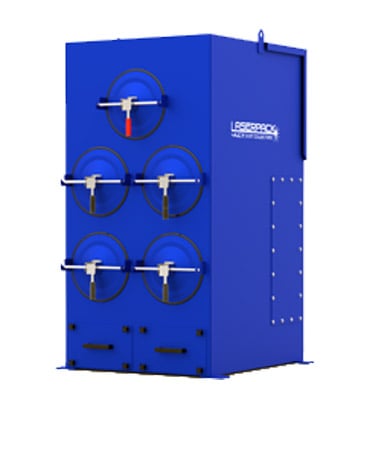
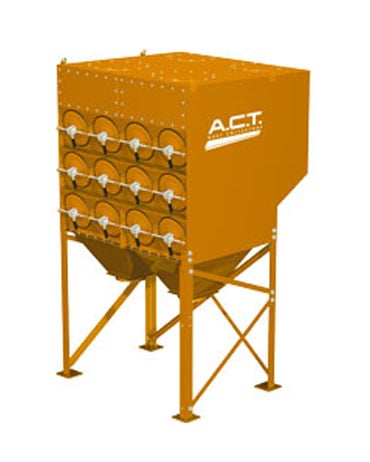
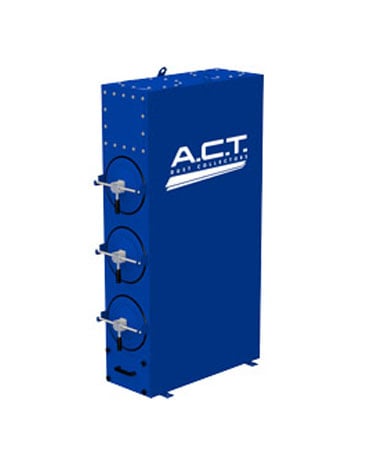
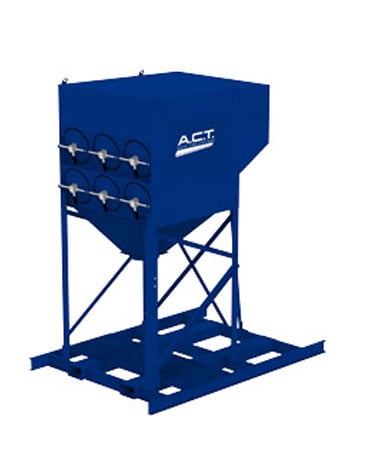
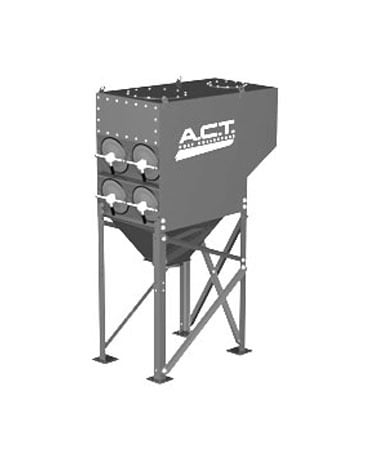
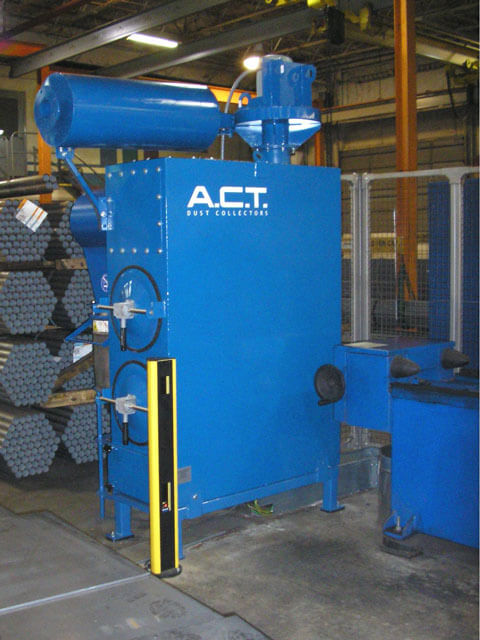
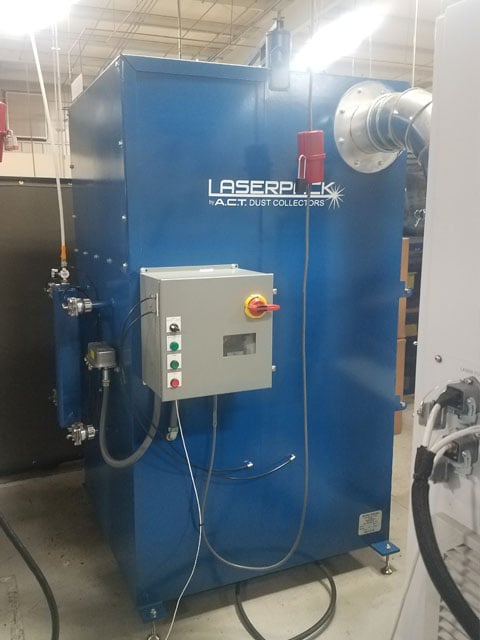
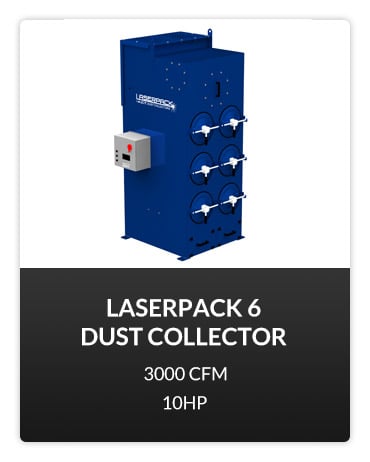
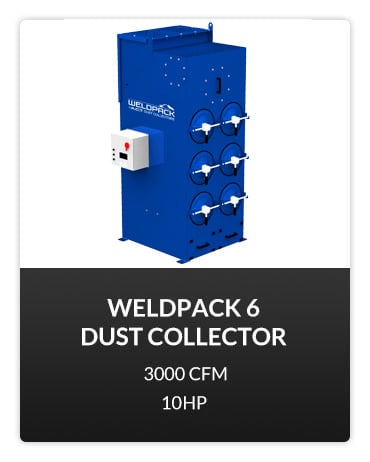
A.C.T. Dust Collectors offers several systems built for robotic welding fume extraction. The LaserPack and WeldPack series are designed for individual welding cells, with a compact footprint suited to tight cell layouts and straightforward integration with existing robotic welding controls. Both include venturi-assisted reverse-pulse cleaning and a digital, solid-state pulse control panel to manage airflow and filter life without constant adjustment.
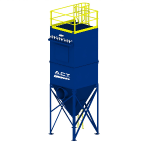
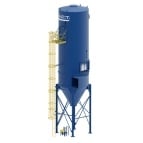
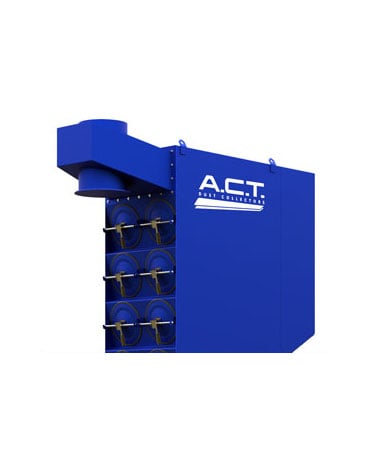
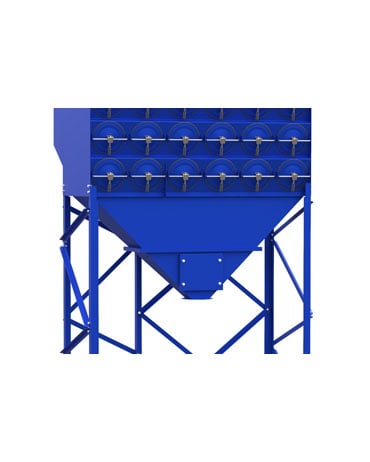
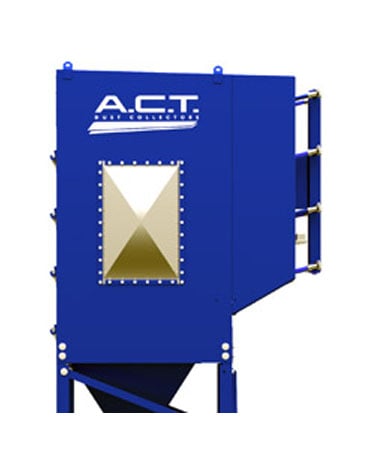
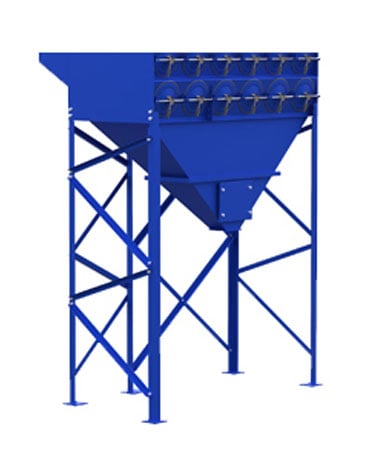
For facilities running multiple welding robots, cartridge dust collectors can also serve as a centralized extraction solution, drawing fumes from several cells into one system rather than requiring a dedicated unit at each one. This can reduce total equipment footprint and simplify maintenance across a facility running several welding lines.
Talk with our team to design a fume extraction system that matches your welding cells, facility layout, and production goals.



.svg)


















%20Collectors%20Image.png?width=143&height=143&name=ADC%20(Ambient)%20Collectors%20Image.png)



.png?width=240&height=91&name=ACT%20Dust%20Collectors%20Logo%20Solid%20White%202020%20(1).png "ACT Dust Collectors Logo Solid White 2020-2")
.png?width=148&height=149&name=usa-manufactured-dust-collectors%20(1).png "United States Flag")