



.svg)


















%20Collectors%20Image.png?width=143&height=143&name=ADC%20(Ambient)%20Collectors%20Image.png)


.jpg?width=285&name=img-f%20(1).jpg)
When a dust collection system starts losing performance, the cause is often inside the collector itself. Filters load up, seals wear, and airflow becomes harder to control.
A dust collector filter changeout is the planned replacement of worn filtration components to restore airflow and dust capture. While many facilities replace filters only when problems appear, a complete dust collector filter changeout addresses the system as a whole - correcting wear, leaks, and imbalance instead of patching issues one shutdown at a time.
Facilities often notice the same warning signs: rising differential pressure that no longer drops after pulse cleaning, uneven airflow at pickup points, or dust carrying past the collector. In these situations, partial replacements rarely bring long-term stability.
Dust Collector Filter Changeout: A dust collector filter changeout is the replacement of filtration components, including filters or bags, cages, seals, and related hardware to restore airflow and dust capture. A complete changeout replaces all critical wear items together and typically includes inspection and cleaning inside the collector to prevent air bypass, leaks, and performance imbalance.
From a safety perspective, dust collection isn’t only about housekeeping. It’s about controlling airborne dust and limiting accumulation around processes and equipment. OSHA- and NFPA-aligned guidance emphasizes proper dust handling, routine maintenance, and effective containment as part of safer industrial operations. A thorough filter changeout supports these goals by reducing dust escape pathways and improving overall system control - without relying on code-specific claims.
What a Complete Dust Collector Filter Changeout Includes
A complete filter changeout acts as a “system reset” for the components that most directly affect airflow and dust containment. Depending on the collector design, this typically includes:
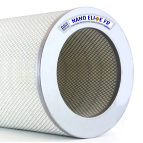
- Filters or filter bags: The filter media that captures particulates from the airstream.
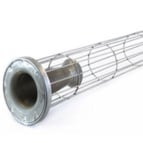
- Cages: Metal supports (common in baghouses) that keep filter bags open and stable during operation and pulse cleaning.
- Gaskets and seals: Components that prevent air bypass, where dirty air slips around the filter instead of passing through it.
- Access hardware: Door seals, clamps, latches, and panels that must close tightly to maintain containment.
A complete changeout also includes inspection and cleaning of internal surfaces such as sealing faces, internal ledges, hopper areas, and door frames. These steps matter because many persistent performance issues originate from small leaks, damaged cages, worn sealing points, or dust buildup in areas not addressed during quick filter swaps.
Replacing all components together restores fit, seal, and balance across the collector - not just filtration surface area. That’s what separates comprehensive industrial filter changeouts from basic maintenance.
Key Benefits of a Full Filter Changeout
Improved Airflow and Collection Efficiency
As filters age, dust embeds more deeply into the media and becomes harder to release during cleaning cycles. Over time, this restricts airflow and reduces collection efficiency.
Differential pressure is a simple indicator. When DP remains elevated or continues trending upward despite functioning pulse cleaning, it often signals that filters and seals have reached the end of their service life. A full changeout restores airflow capacity by replacing restricted media, damaged components, and worn seals, allowing the system to operate more evenly and predictably.
Reduced Downtime and Maintenance Costs
Partial replacements can create a frustrating cycle: replace a few filters, restart, discover new leaks, replace gaskets, restart again, and troubleshoot DP - all while losing production time.
A complete changeout consolidates these interruptions into one planned maintenance event. Instead of reactive troubleshooting, maintenance teams address all major wear items at once. Facilities that schedule proactive industrial filter changeouts often experience fewer unplanned shutdowns and lower long-term maintenance costs.
Extended Dust Collector Lifespan
Restricted airflow and air bypass don’t just affect dust capture - they place added strain on fans, blowers, and housings. Escaped dust can also contribute to internal wear and buildup over time.
By replacing worn filters, cages, and sealing components together, a complete changeout reduces chronic restriction and dust escape that can accelerate equipment wear. This helps protect the collector and supports longer, more reliable system life.
Better Safety and Dust Control
A complete filter changeout improves dust containment and reduces visible dust escape, supporting cleaner air and safer working conditions. By limiting unintended dust migration, it also reduces areas where combustible dust can accumulate.
While a changeout alone doesn’t guarantee regulatory compliance, it supports OSHA- and NFPA-aligned safety practices by improving containment, reducing leaks, and maintaining effective ventilation and dust control.
What the Changeout Process Looks Like
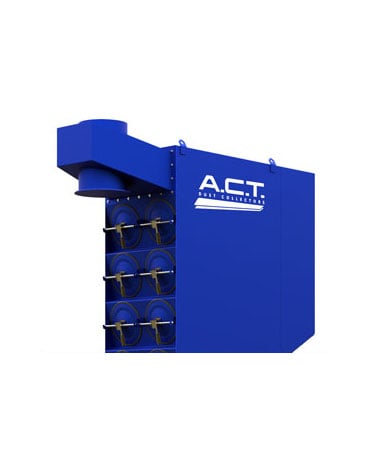
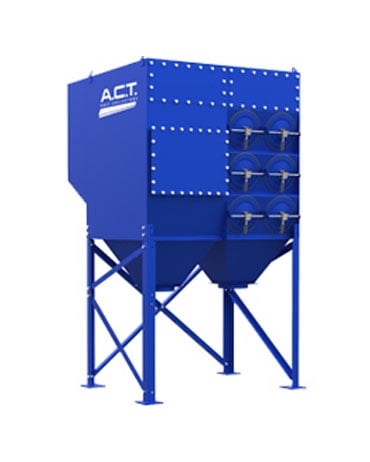
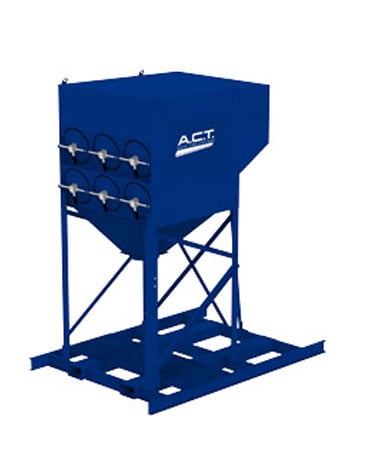
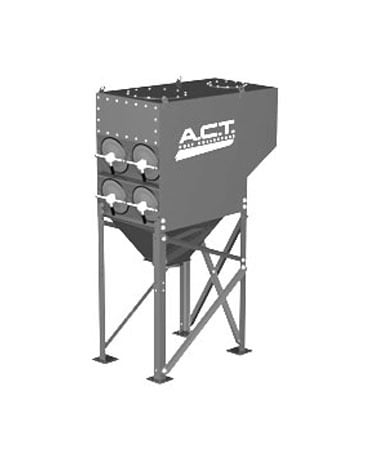
A.C.T. Dust Collectors designs systems with serviceability in mind, making filter changeouts safer and more efficient for maintenance teams.
To see the process in action, watch the demo.
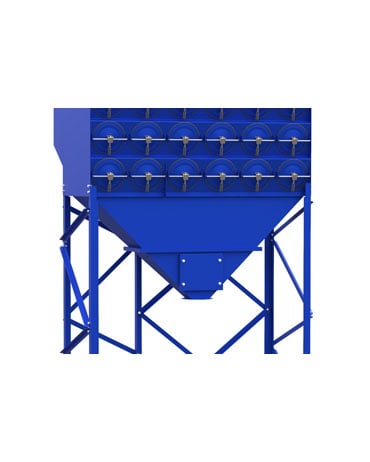
In the video, a filter changeout is demonstrated on an A.C.T. Model TLM baghouse. The process allows safe access to entire rows of bags and cages by securing components in place, removing cages, and dropping used filters into the hopper. Filters are then removed through a hopper access door - helping keep dust out of the clean-air plenum and simplifying cleanup.
This design-focused approach reduces exposure, improves safety, and makes industrial filter changeouts less disruptive to operations.
When to Schedule a Complete Filter Changeout
A full changeout is typically worth planning when you see patterns - not just one-off issues. Common triggers include:
- Persistent high differential pressure that doesn’t stabilize after cleaning
- Recurring dust leaks around doors, gaskets, or tubesheet sealing points
- Visible wear such as torn bags, corrosion, or collapsed cages
- Ongoing dust carryover into the plant or downstream equipment
- Filters nearing the end of their expected service life
Proactive maintenance planning matters here. Scheduling a full changeout during a planned downtime window allows wear items to be addressed during off-peak hours or shutdowns, reducing the impact on production and avoiding rushed troubleshooting.
Regular inspections support this approach. A structured dust collector inspection and maintenance checklist helps teams spot early signs of filter wear, sealing issues, or airflow imbalance, making it easier to plan a complete changeout before performance drops or failures occur.
Improving System Performance and Safety
A complete dust collector filter changeout is more than routine maintenance - it’s a proactive step toward better airflow, steadier performance, reduced downtime, and improved dust control. Instead of repeatedly chasing leaks and DP issues, a full refresh restores the components that most directly affect system reliability.
Watch the demo to see the process in action or talk to our team about your dust collector maintenance needs. We’ll help you identify the right filter changeout approach for your facility - based on how your system actually operates.

.png?width=240&height=91&name=ACT%20Dust%20Collectors%20Logo%20Solid%20White%202020%20(1).png "ACT Dust Collectors Logo Solid White 2020-2")
.png?width=148&height=149&name=usa-manufactured-dust-collectors%20(1).png "United States Flag")