



.svg)
















%20Collectors%20Image.png?width=143&height=143&name=ADC%20(Ambient)%20Collectors%20Image.png)





Dust may seem like a minor nuisance in everyday settings, but in manufacturing environments, it can create serious operational, safety, and compliance challenges. What starts as airborne particles or dust buildup can lead to OSHA citations, NFPA-related concerns, equipment damage, compromised worker health, product contamination, and even serious workplace incidents if left unaddressed.
Beyond these risks, dust can also have a direct impact on production by settling inside machinery, restricting airflow, interfering with sensors, and contributing to unexpected equipment failures. The result is often costly production downtime, increased maintenance demands, and disruptions that affect both profitability and customer commitments.
In this post, we will explore how dust affects manufacturing operations, the hidden costs and risks it creates, and how efficient dust collection systems can help prevent downtime, improve workplace safety, support compliance efforts, and protect your company's reputation.
What is Production Downtime in Manufacturing?
Production downtime is any period when a machine, process, cell, or production area cannot operate as intended. In simple terms, it is the time your facility loses when work slows down or stops.
There are two broad categories that most facilities deal with. Planned downtime is scheduled in advance for inspections, filter changeouts, lubrication, repairs, or scheduled maintenance. It still affects output, but it is controlled and easier to plan around.
Unplanned downtime happens when something breaks, clogs, overheats, jams, leaks, or creates an unsafe condition without warning. It can also come from human error, process contamination, poor housekeeping, or a maintenance issue that was missed earlier.
The key takeaway is straightforward: downtime you can plan for is manageable. Downtime you cannot plan for is costly, and dust is a leading driver of the unplanned kind.
How Dust Causes Production Downtime
Dust buildup does not stay where it lands. It works its way into moving parts, clogs airways, coats sensors, and reduces visibility into how your systems are actually performing. Here is how that plays out across your operations.
Equipment Failures from Dust Buildup
Dust can enter motors, bearings, control cabinets, sensors, conveyors, cutting tables, and other exposed areas. Over time, it can contribute to heat buildup, friction, component wear, electrical problems, and avoidable equipment failures. That can force a stop while the affected area is cleaned, repaired, and checked before restart.
Reduced Efficiency in Production Lines
Dust also takes a toll before equipment reaches a breakdown point. Clogged filters and restricted airflow force systems to work harder to maintain the same output. On production lines where speed and consistency matter, this creates variability that compounds over time. Throughput drops, cycle times stretch, and the cumulative effect on products processed per shift can be significant. Your operators may notice the slowdown before your monitoring systems flag it.
Increased Cleaning and Maintenance Interruptions
Heavy dust accumulation forces more frequent cleaning stops, which interrupt the flow of production. These may be short shutdowns individually, but they add up across a shift or a week.
Facilities that do not have adequate dust collection in place often find their maintenance teams spending more time on reactive cleaning than on the preventive maintenance that actually extends equipment life. Every hour spent on unplanned cleaning is an hour not spent on scheduled upkeep or production.
Air Quality Issues That Disrupt Operations
Airborne dust that circulates freely through a facility creates problems that go beyond visible mess. It reduces visibility, settles on equipment and work surfaces, and increases the housekeeping burden on your team.
According to OSHA, exposure to airborne contaminants can cause health issues which affect how effectively your workforce can operate over the course of a shift. In some environments, airborne dust can also contaminate products or compromise process consistency in ways that create their own disruptions. And in facilities where combustible dust hazards are present, poor dust control can create conditions that require an immediate response and a potential halt production order until the situation is resolved. Dust is not always the direct cause of a shutdown, but when air quality goes unmanaged, it creates the conditions that lead to one.
Taken together, these factors make it clear that dust is not just a cleanliness issue. It is a direct contributor to downtime events, both large and small.
The True Cost of Production Downtime
The cost of downtime goes well beyond the value of the product you did not make during a stoppage. When you calculate production downtime costs for your facility, a more complete picture emerges.
- Lost production output: Every hour your line is down is an hour of revenue you cannot recover. Labor costs continue during the stoppage, your team is still on the clock even when equipment is not running, which means the financial impact compounds quickly.
- Equipment repair costs: Emergency repairs almost always cost more than planned maintenance. Overtime labor, rush parts orders, and secondary damage that occurred during the failure event all push the final bill higher than it would have been with proactive upkeep.
- Missed deadlines and customer impact: When a line goes down, labor may still be on the clock, supervisors may need to reshuffle schedules, and maintenance teams may need to move away from planned tasks. Repair parts can add cost, rush shipping may be needed, and missed deadlines can place pressure on customer relationships.
When companies look at the true costs of unplanned downtime, they often find the number is meaningfully larger than what shows up on a maintenance budget line. The combination of lost output, labor inefficiency, repair costs, and schedule disruptions adds up quickly, and many dust-related failures can be reduced or avoided with the right systems and maintenance practices in place.
How Dust Impacts Downtime Tracking and Predictive Maintenance
Dust does not just damage equipment, it also makes it harder to know when something is going wrong.
Think about how most facilities catch problems early. Sensors flag unusual readings, pressure gauges signal that a filter is loaded, monitoring systems track performance trends over time. That early warning system only works if the data coming in is reliable. When sensors are coated in dust or filters are partially clogged in ways your system has not detected yet, the readings they produce are off. By the time real time monitoring catches the issue, the problem may already be well underway.
This is where dust can weaken predictive maintenance programs by masking early warning signs or creating noise in performance data. The whole idea behind predictive maintenance is that you spot the early signs of wear and schedule a fix before something breaks. But if dust is masking those early signs or creating noise in your performance data, the program is working with incomplete information. You end up with more reactive repairs than planned ones, and your downtime tracking reflects that in the form of a higher amount of downtime than you should be seeing.
Keeping your industrial dust collection system in good shape helps here too. Clean filters, consistent airflow, and surfaces free of accumulation give your monitoring equipment a better environment to do its job accurately.
How to Reduce Downtime Caused by Dust
Reducing downtime from dust is largely about consistency. There is no single fix, but there are practices that, taken together, make a significant difference.
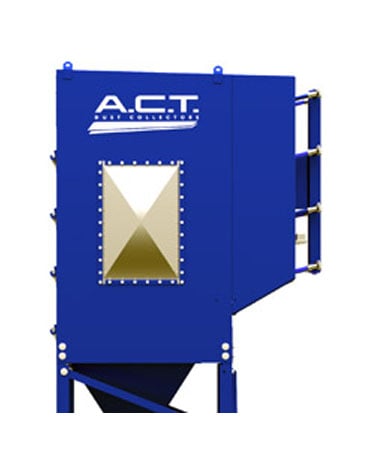
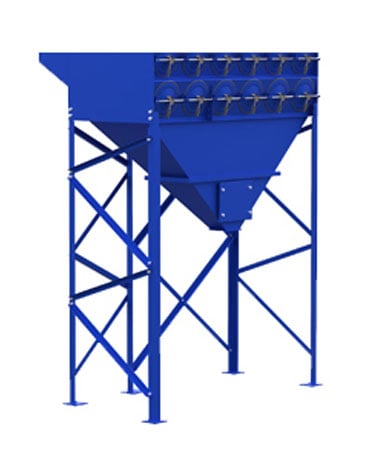
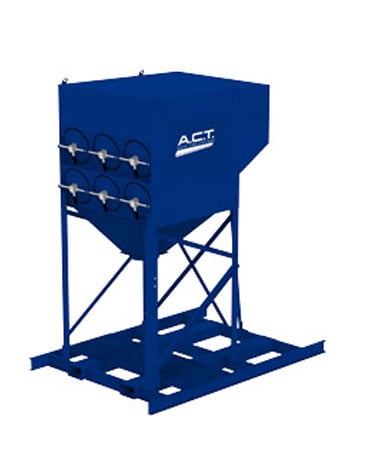
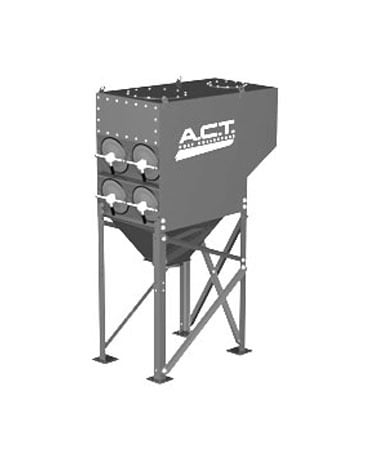
The foundation is a properly sized and maintained dust collection system. If your current system is undersized for your production volume or the type of dust your processes generate, it cannot keep up. Facilities that take the time to match their dust collection capacity to their actual application see fewer unplanned shutdowns and more predictable filter life. Learn more about the types of industrial dust collection systems to understand what may be the right fit for your environment.
From there, consistent preventive maintenance is the most reliable way to stay ahead of dust-related problems. This includes:
- Regular inspection of filters and pulse cleaning systems
- Monitoring differential pressure across the collector to catch filter loading early
- Checking ductwork for dust accumulation or leaks that reduce capture efficiency
- Reviewing the maintenance checklist for dust collectors to make sure nothing gets missed between service intervals
Operator awareness also plays a role. When the people working on your floor understand what downtime in manufacturing costs and what early signs of dust-related issues look like, they are better positioned to flag problems before they escalate.
Prevention consistently outperforms reaction when it comes to downtime. The cost of staying on top of your dust collection system is almost always lower than the cost of dealing with an unplanned event.
Why Dust Collection Systems are Critical for Uptime
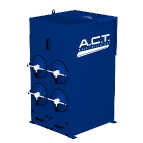
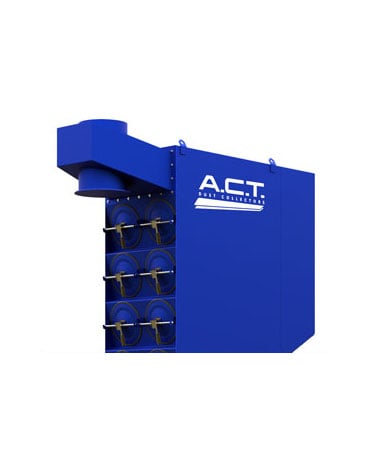
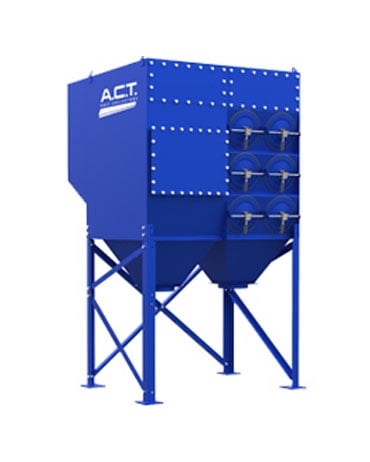
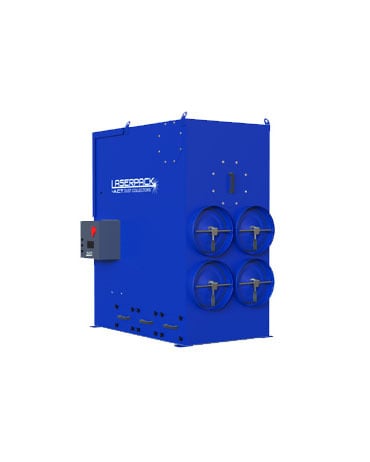
Dust collection systems support uptime by helping facilities maintain airflow, capture airborne particles, protect equipment, and reduce dust-related interruptions. For U.S. manufacturers, including facilities supported through A.C.T. locations in New Ulm, San Antonio, and Cleveland, this can make daily production more stable.
A well-maintained collector helps keep dust from spreading into motors, cabinets, work areas, and downstream processes. It also supports cleaner working conditions and reduces the burden on maintenance teams. If your facility handles combustible dust, dust collection should also be considered alongside your broader dust collector safety practices.
When dust is captured consistently, your team can spend less time reacting to clogged equipment, nuisance shutdowns, and repeated cleaning interruptions.
FAQs About Production Downtime and Dust
What is production downtime?
Production downtime is the time when a machine, line, or process is not operating as expected. It can be planned, such as a scheduled filter changeout, or unplanned, such as a breakdown, dust-related blockage, overheating issue, or air quality concern that forces work to stop.
What causes unplanned downtime in manufacturing?
Unplanned downtime can stem from a range of causes:
- Equipment failures, operator mistakes, material jams, poor maintenance, electrical faults, sensor issues, or unsafe operating conditions
- In dust-producing facilities, dust buildup can add strain to machinery, restrict airflow, affect monitoring devices, and create interruptions that were not part of the schedule
- Clogged filters or overloaded dust collectors can slow system performance and force unplanned shutdowns for cleaning or replacement before the next scheduled interval
How does dust affect equipment performance?
Dust can settle inside machinery, restrict cooling, increase friction, block ventilation, affect sensors, and contaminate moving parts. Over time, this can reduce efficiency and increase maintenance needs. If the issue is not corrected early, it may lead to breakdowns or shutdowns that affect production output.
How can you reduce downtime in manufacturing?
You can reduce downtime by identifying repeat failure patterns, maintaining equipment on a set schedule, monitoring performance changes, and addressing dust at the source.
For dust-producing operations, properly designed collection systems, routine inspections, filter monitoring, and clear operator reporting can reduce avoidable interruptions.
What is the cost of production downtime?
The cost of downtime depends on the facility, process, labor rate, production value, and length of the shutdown. It usually includes lost production output, maintenance labor, replacement parts, overtime, delayed orders, and possible scrap or rework. Tracking each event helps reveal the true cost of downtime over time.
Conclusion
Dust is a preventable contributor to downtime, and its impact often reaches further than the immediate cleanup or repair. It can reduce airflow, strain equipment, interrupt maintenance schedules, affect product flow, and make downtime data harder to interpret. When dust control is treated as part of uptime planning, your facility is better positioned to protect equipment, maintain output, and reduce avoidable costs.
A.C.T. Dust Collectors has decades of experience helping manufacturers improve dust control, protect equipment, and maintain reliable production. Our team works with facilities across a wide range of industries to evaluate dust collection challenges, recommend practical solutions, and support long-term system performance. Whether you are upgrading an existing collector or planning a new installation, we can help you identify opportunities to reduce dust-related disruptions and improve uptime.
If dust is affecting your process, talk to our team about your application, explore dust collection systems, or request a quote from A.C.T. Dust Collectors.
.png?width=240&height=91&name=ACT%20Dust%20Collectors%20Logo%20Solid%20White%202020%20(1).png "ACT Dust Collectors Logo Solid White 2020-2")
.png?width=148&height=149&name=usa-manufactured-dust-collectors%20(1).png "United States Flag")