FAQs Around Cable Chopping Dust Control
What kind of dust is produced during cable chopping?
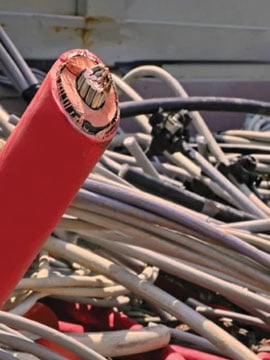
Cable chopping generates a complex blend of plastic insulation fines (PVC/PE), rubber particles, and metallic shavings from copper or aluminum conductors. This mixed particulate requires dust collection systems designed specifically for both plastic and metal fines to effectively remove cable chopping dust from workplace air while maintaining material separation quality.
Is cable chopping dust harmful to breathe?
Fine particulates can aggravate breathing conditions and create long-term health hazards for workers. Effective source capture, properly sealed ductwork, and high-efficiency filtration protect employee health while maintaining clean, productive recycling environments that support regulatory compliance.
Do I need explosion protection for a cable chopping dust collector?
Explosion protection depends on your specific materials, equipment configuration, and facility hazard analysis. Many cable cutting operations require upstream spark arrestors and deflagration mitigation where metallic dust concentrations create ignition risks. A.C.T.'s engineering team will evaluate your process and recommend appropriate protection levels for your dust collector solution.
How often should filters be replaced in a cable chopping dust system?
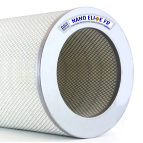
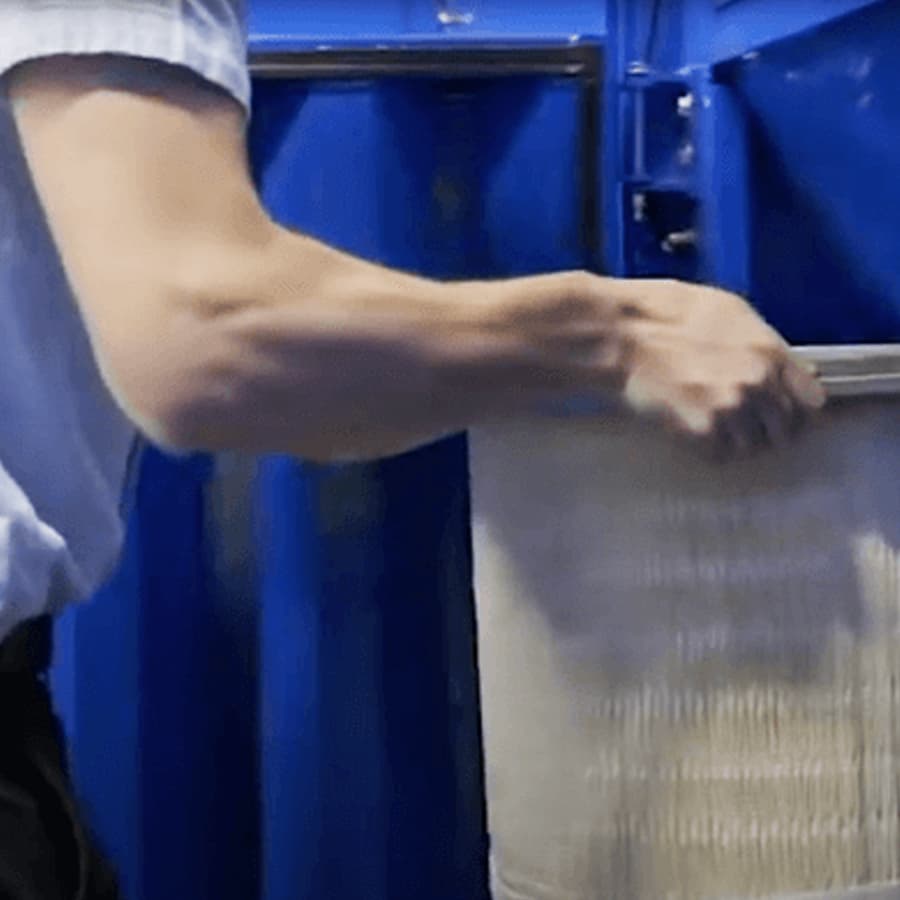
Replacement intervals vary based on dust loading, filtration media type, and pulse-cleaning performance. Cable chopping dust typically requires more frequent maintenance than single-material applications. Monitor pressure drop readings, establish preventive maintenance thresholds, and inspect cartridges regularly to maintain optimal airflow and extend filter service life.
What are the signs your facility needs better dust collection?
Several warning signs indicate your facility needs better dust collection for cable chopping operations:
- Visible haze around equipment: Dust clouds near processing stations show particles are escaping capture
- Frequent manual cleanups: Daily sweeping and wiping down surfaces means airborne dust is settling everywhere
- Rising pressure drop across filters: Increasing resistance indicates filters are clogging faster than expected
- Reduced separator efficiency: Lower material recovery rates suggest dust is interfering with separation equipment
- Declining product purity: Contamination in final copper or aluminum output reduces material value and profits
These warning signs suggest your current system is undersized or misapplied for cable dust behavior and processing demands, warranting immediate evaluation and system upgrade.
Dust Collection System Types and Considerations
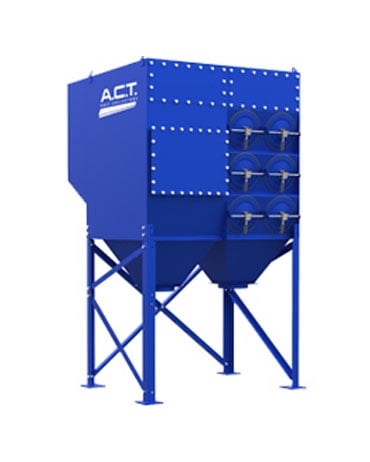
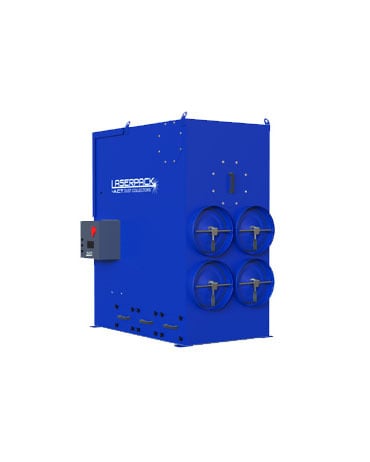
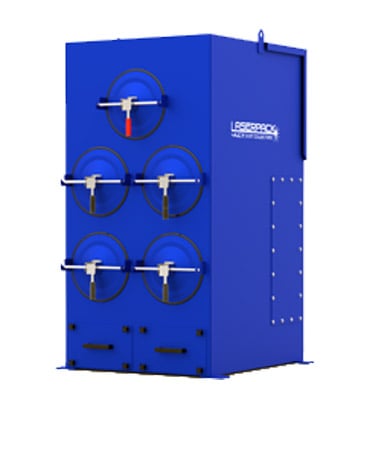
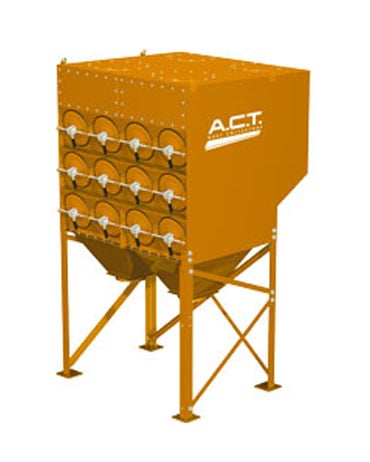
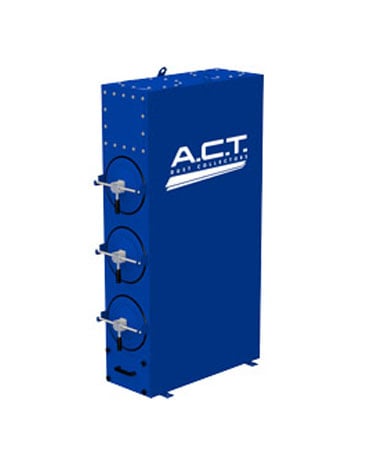
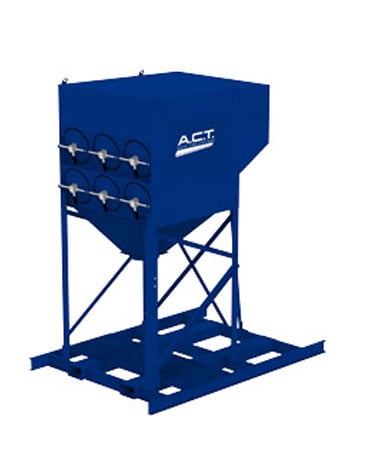
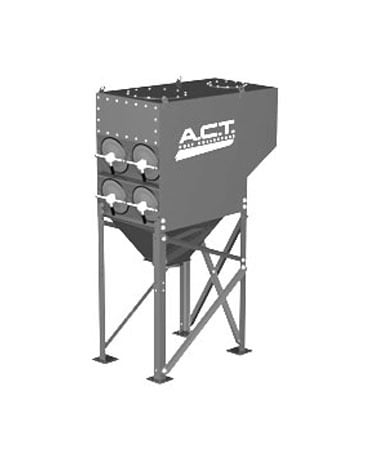
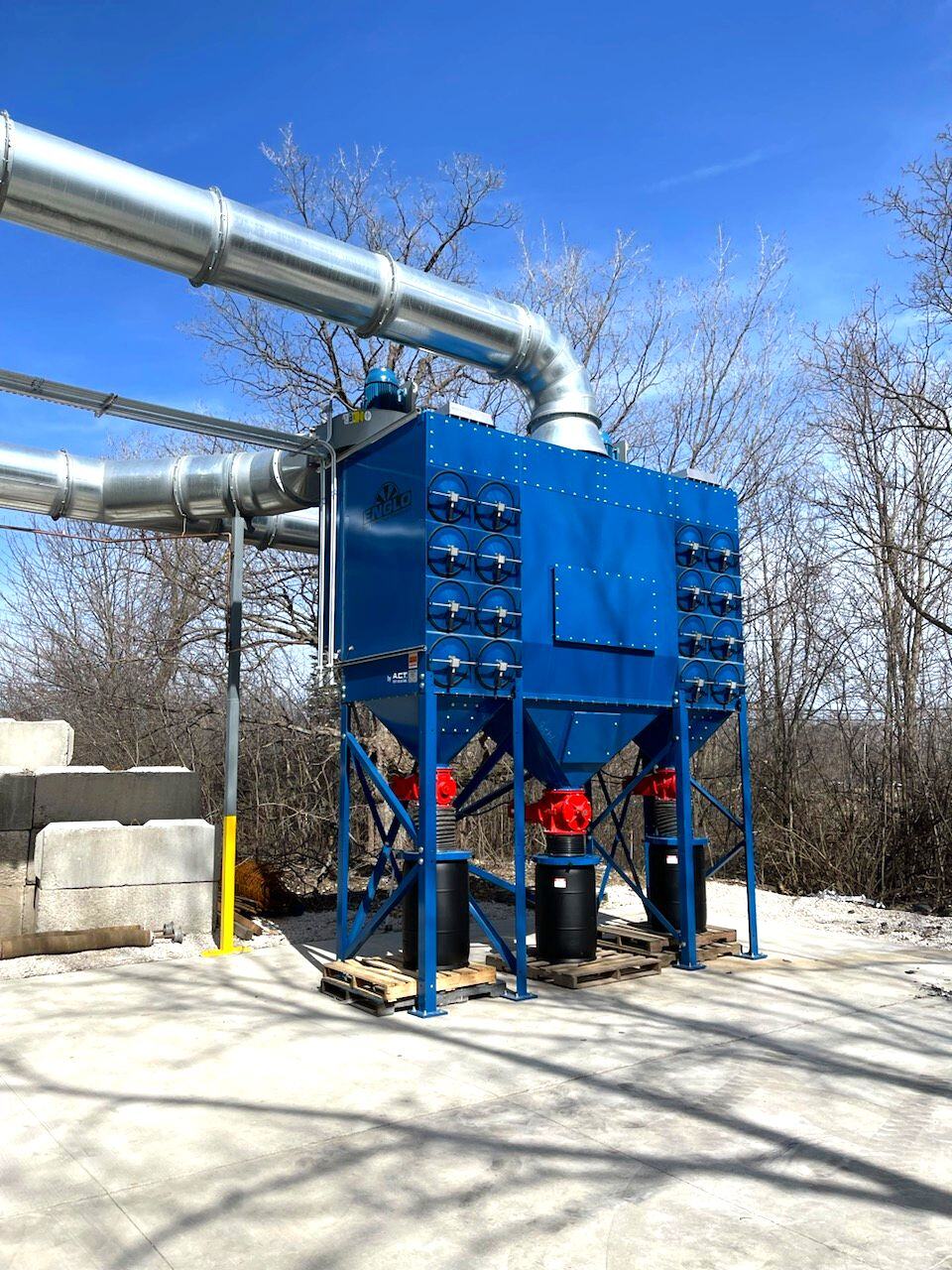
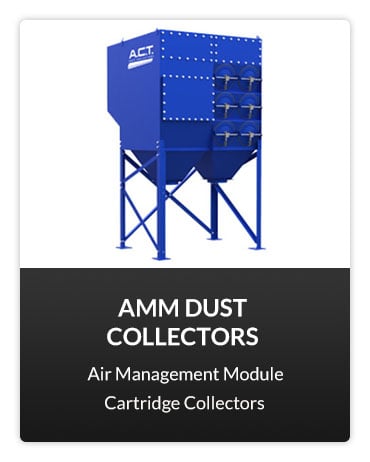
Cable chopping operations require different dust collection approaches depending on your facility size and processing volume. Smaller to medium facilities typically use cartridge-based dust collectors because they excel at capturing the very fine plastic and metal particles that cable processing creates. These systems use pleated filters that provide more surface area for trapping microscopic dust while maintaining strong airflow.
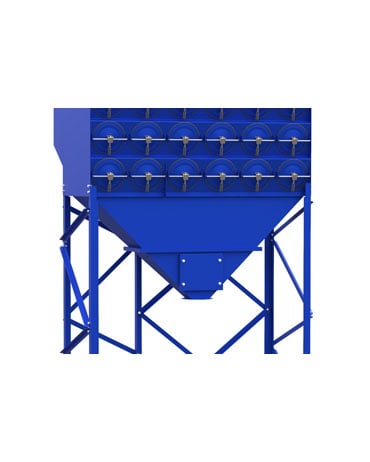
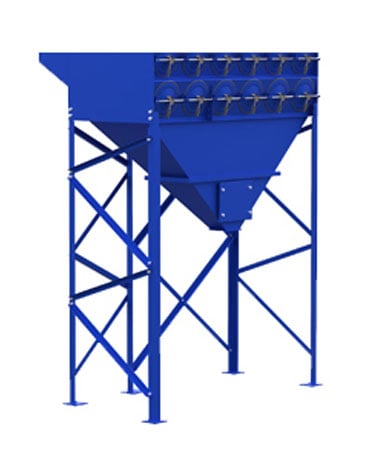
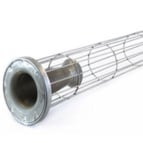
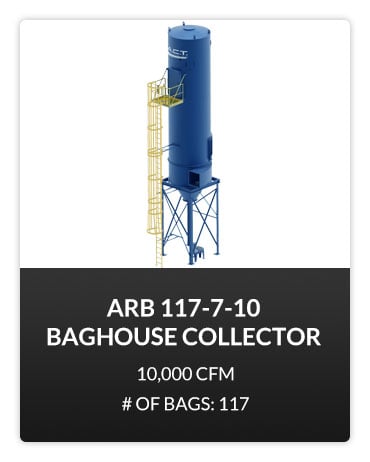
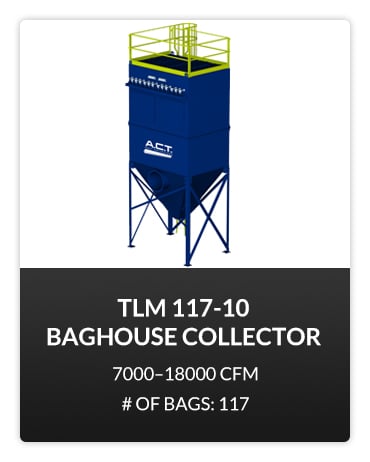
Larger operations processing high volumes of cable often need baghouse dust collection systems, which use fabric filter bags to handle heavier dust loads during continuous production runs. These systems can process more material without frequent filter changes, making them ideal for round-the-clock operations.
Regardless of system type, effective cable cutting dust control requires three essential components:
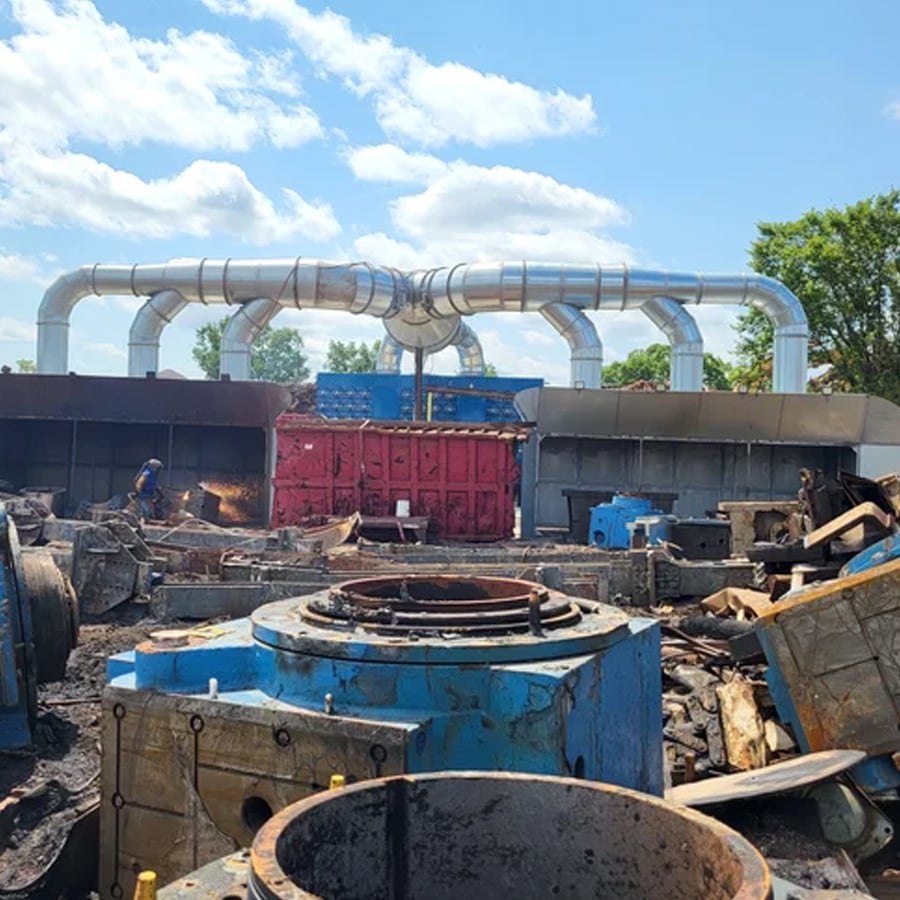
- First, source capture hoods placed directly over chopping and granulating equipment catch dust right where it's created, preventing it from spreading throughout your facility.
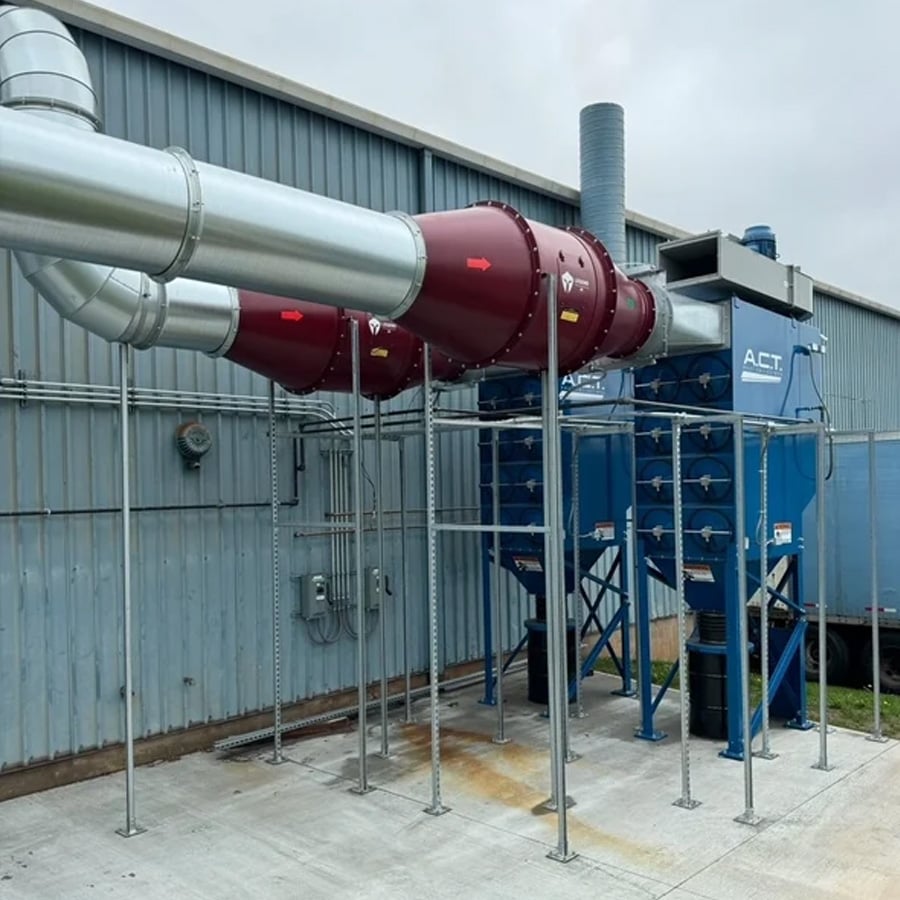
- Second, spark arrestors installed in the ductwork protect your filters from hot metal particles that could cause fires or damage expensive filtration media.
- Third, proper system sizing ensures adequate airflow to capture all airborne particles without reducing the performance of your cable processing equipment.
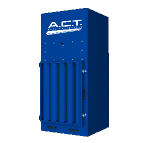
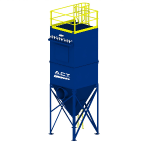
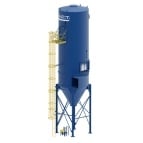
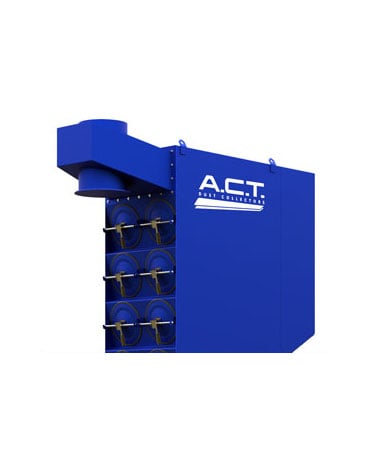
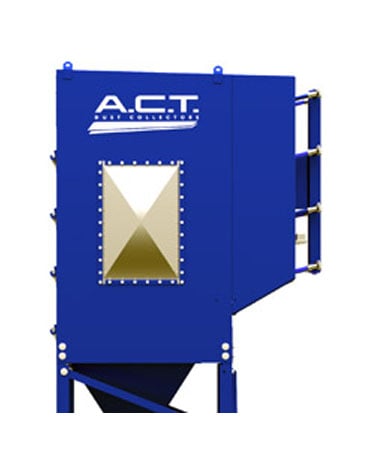
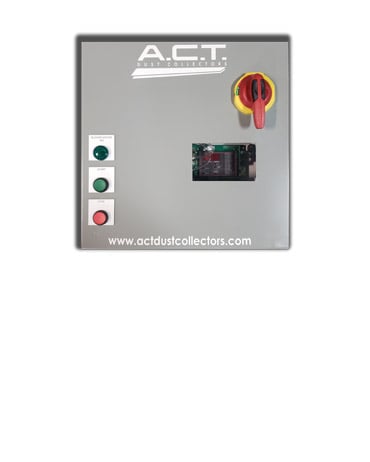
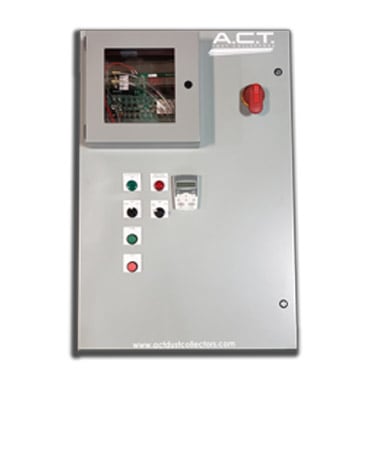
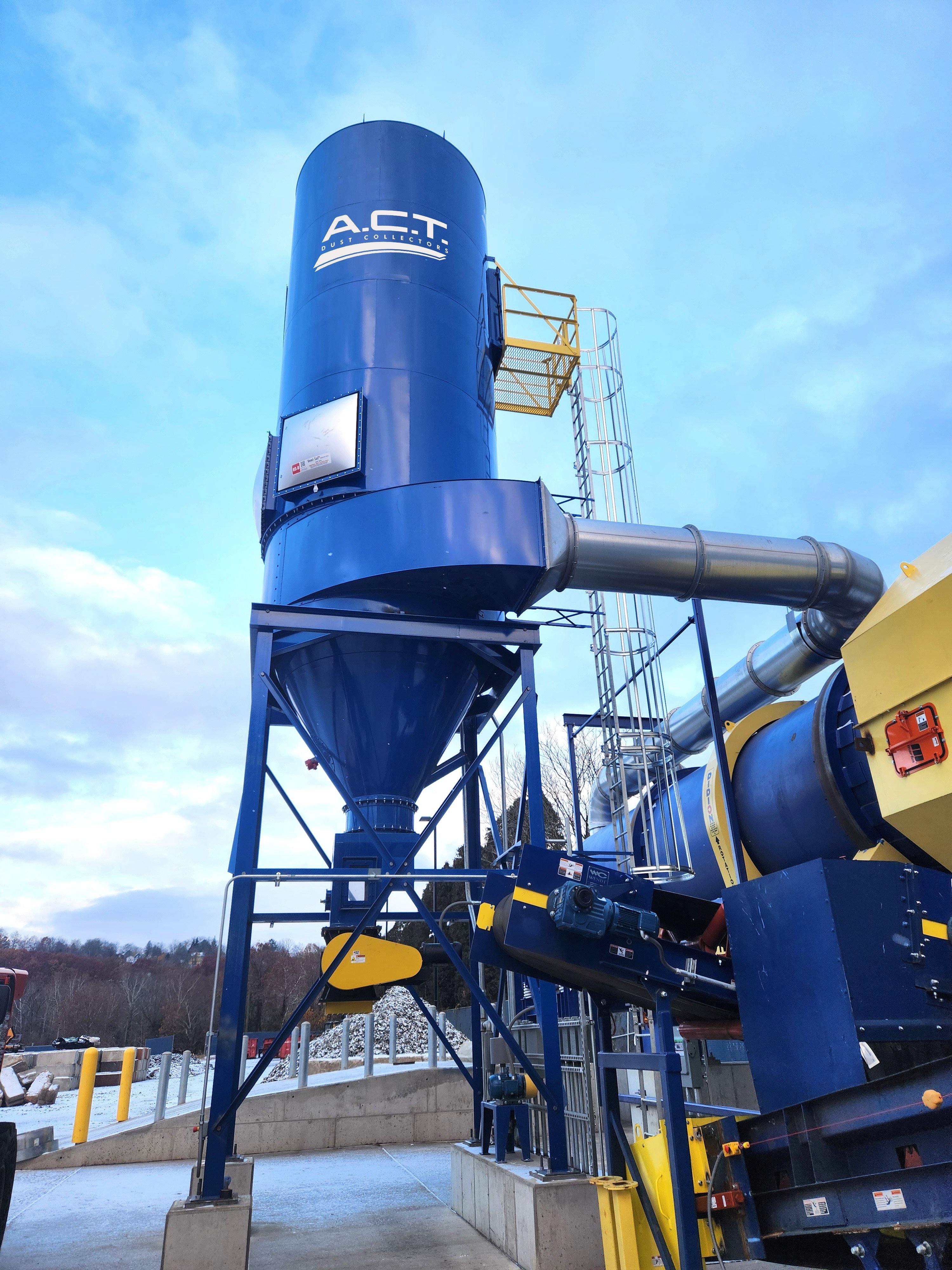
Cable chopping dust presents unique challenges because you're dealing with mixed materials - plastics, rubber, and metals - all at the same time. Standard dust collectors designed for single materials often struggle with this combination. Explore our A.C.T. Dust Collectors Products and Ready-to-Ship Units to match your layout, load, and compliance needs.
Designing for Efficiency, Safety, and Compliance
A well-matched system supports OSHA and NFPA standards, protects worker health, and stabilizes production.
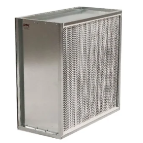
High-efficiency filtration captures ultra-fine cable dust, and reliable pulse-jet cleaning preserves airflow, reducing changeouts, downtime, and energy use. Further, cleaner capture also improves separator performance in recycling and cable cutting lines, boosting yield and long-term ROI.
Ready to experience the difference? Talk to our team about a safe, efficient cable chopping dust collection system for your facility.
Need Help Choosing the Right Cable Chopping Dust Collector?
Every facility processes different feedstock volumes, material types, and operational requirements. A.C.T. Dust Collectors configures capture points, collector specifications, filtration media, and spark control systems to match your specific layout and compliance needs. Our engineering team brings over 35 years of industrial dust control experience to cable cutting applications, ensuring your system delivers optimal performance from day one.
With locations in Minnesota, Texas, and the Great Lakes Region, we provide responsive support and rapid delivery of American-made dust collection systems. Our solutions deliver measurable returns through increased productivity, lower maintenance expenses, and reduced operational downtime.
Request a quote for your dust collection system or contact us today to discuss your cable chopping dust control needs. We’ll tailor a U.S.-compliant solution that controls cable chopping dust and keeps your operation running at its best.



.svg)


















%20Collectors%20Image.png?width=143&height=143&name=ADC%20(Ambient)%20Collectors%20Image.png)


.png?width=240&height=91&name=ACT%20Dust%20Collectors%20Logo%20Solid%20White%202020%20(1).png "ACT Dust Collectors Logo Solid White 2020-2")
.png?width=148&height=149&name=usa-manufactured-dust-collectors%20(1).png "United States Flag")