



.svg)



















%20Collectors%20Image.png?width=143&height=143&name=ADC%20(Ambient)%20Collectors%20Image.png)

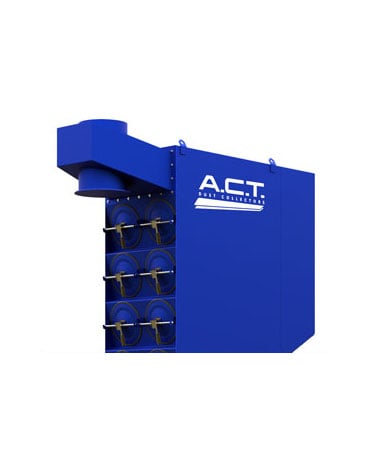
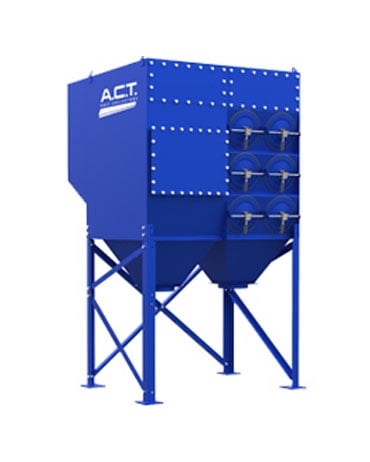
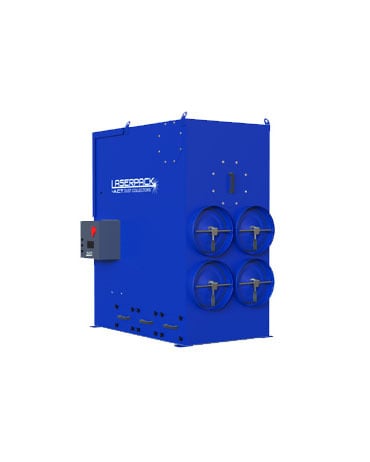
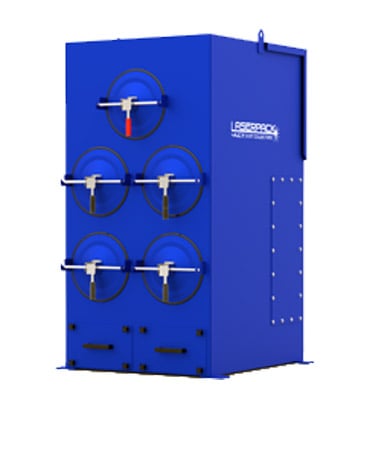
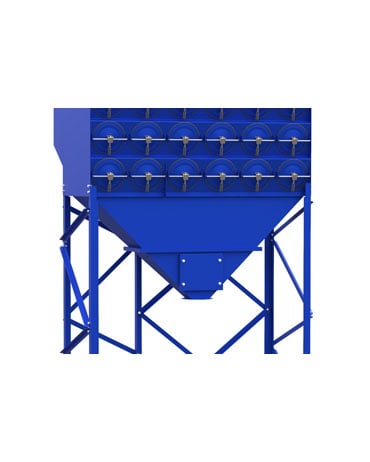
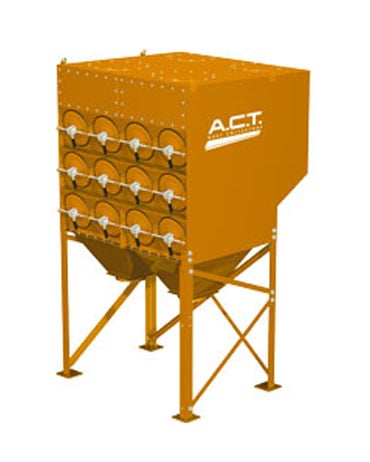
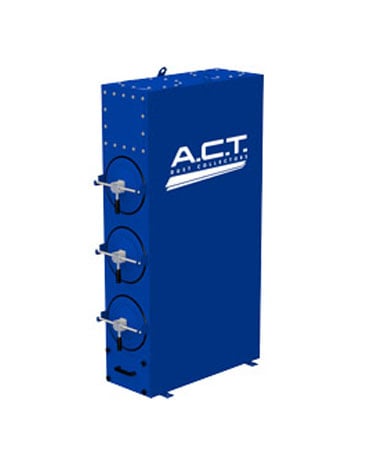
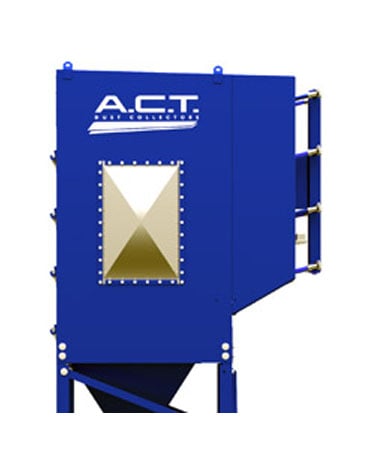
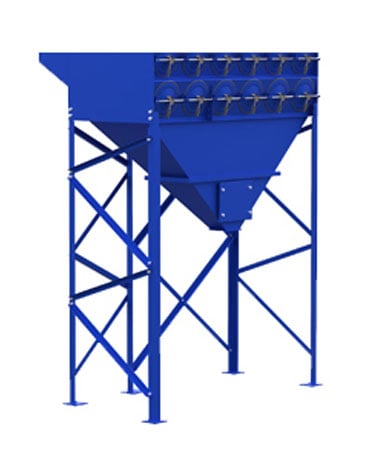
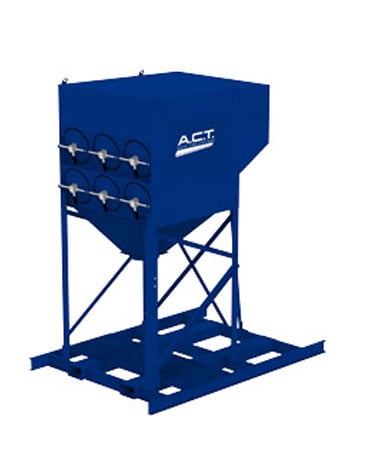
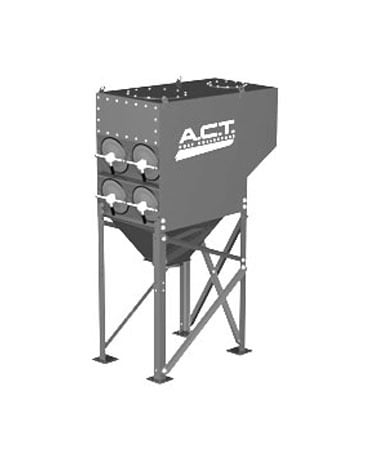

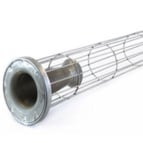
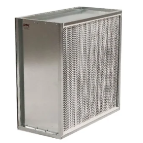
If you're dealing with weak suction, dust escaping into the plant, or a differential pressure reading that keeps climbing, your dust collector filters are often the first place to look. The wrong replacement dust collector filters can quietly drain performance, drive up maintenance, and make it harder to stay within air quality and safety limits. The right OEM dust collector filters do the opposite: they support stable airflow, longer service life, and more predictable system performance.
Dust collector filters are the heart of your air filtration system. They trap fine particulates from manufacturing processes so your team can work in cleaner, safer air. When filter fit, media, and design match your A.C.T. Dust Collector, the whole system runs more efficiently.
There are several reasons why choosing a genuine replacement filter from your system’s manufacturer is preferred over a generic option - especially with an A.C.T. Dust Collector. Below, we’ll explore how the right filters support better performance, longer service life, and cleaner air.
1. Guaranteed FiT and high-quality materials
One of the biggest advantages of using genuine A.C.T. dust collector filters is the fact that you know they fit.
OEM dust collector filters are built to the same dimensions and tolerances as the originals, so you get a tight seal, correct pleat spacing, and the right interface with doors, gaskets, and hardware.
That tight seal matters. A small gap around an off-size filter can allow dirty air to bypass the media and enter the clean-air plenum, which hurts dust collector performance and air quality. Genuine dust collector filters are designed to work with A.C.T. doors, latches, and gaskets so the filter seats properly and stays sealed over time.
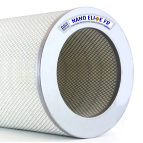
Media quality is just as important as fit. A.C.T. cartridge dust collector filters use high-efficiency media, with many systems standardizing on Nano-Elite filters rated MERV 15 for effective capture of fine dust, smoke, and fume. If you'd like a deeper dive on how MERV ratings work and what they mean for capture performance, A.C.T.'s MERV Ratings: Why They Matter guide is a good reference.
Differential pressure is another key indicator. In simple terms, differential pressure is the difference in air pressure on the dirty side versus the clean side of the filters. As filters load with dust, resistance increases and differential pressure rises. A.C.T.'s recent article on how differential pressure affects filter performance explains how to read that gauge and what ranges to watch.
As a general rule, filter replacement should be based on differential pressure trends and your maintenance schedule, not just a calendar date. When you do change filters, it's smart to inspect and replace door gaskets so the new filters seal properly. A.C.T.'s dust collector filter maintenance resources walk through those checks step by step.
Using genuine A.C.T. filters ensure consistent performance and helps prevent leaks that compromise air quality.
2. Longer Filter Life and Reduced Maintenance Costs
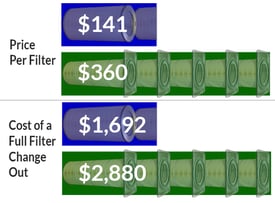
When filters match the collector and application, filter life and maintenance become much more predictable. Genuine dust collector filters are designed around the airflow, media area, and cleaning system of each collector model, which helps them load evenly and release dust more effectively during pulse cleaning.
This is where MERV ratings and media quality come into play. In very simple terms:
- Lower MERV = larger particles captured, more pass-through
- Higher MERV = finer particles captured
For industrial dust collector filters, MERV 13–15 is common for fine dust and fumes. A.C.T. Nano-Elite cartridge filters carry a MERV 15 rating and are designed to remove 99.9% of particulate from the airstream while maintaining good cleanability.
Non-OEM filters often cut cost by reducing media quality or area. The result can be:
- Filters that plug more quickly
- Higher differential pressure
- More frequent changeouts
- More labor spent on maintenance
Over time, that "cheaper" option can cost more in downtime, labor, and energy. By contrast, filters that are designed for your collector and dust type generally deliver longer life and more stable differential pressure. That's the core of effective filter life and maintenance planning.
If you're evaluating options, A.C.T.'s OEM Replacement Filters page is a good place to start to see available cartridge and bag filter options by model.
Investing in high-efficiency replacement dust collector filters minimizes downtime, lowers total cost of ownership, and supports cleaner facility operations.
3. Enhanced Dust Collection Performance
Even when a generic filter "fits," it can still hold your system back. Dust collector performance depends on how well the filters manage airflow, release dust during cleaning, and support the fan and ductwork design.
Common performance issues tied to non-OEM or mismatched filters include:
- Air leaks around the filter or door frame
- Higher fan load and energy use due to excess resistance
- Reduced airflow at pickup points
- Motors working harder than they should to maintain setpoint CFM
One reason OEM filters perform better is that they are sized to match the collector's air-to-cloth ratio - the relationship between airflow and available media area. A balanced air-to-cloth ratio helps filters load properly without blinding too quickly. A.C.T.'s article on how to calculate air-to-cloth ratio explains why this number matters so much for long-term performance.
When filters are too small, or the media doesn't release dust well, the system runs at higher resistance. That means the fan has to work harder, energy costs go up, and pickup at hoods can suffer. Over time, this can shorten the life of motors, fans, and other components.
With the right replacement dust collector filters, facilities tend to see more stable airflow, lower energy use, and cleaner working environments.
4. Preventing Air Bypass and Protecting Clean Air Quality
Industrial dust collector filters are there to protect people and equipment from fine particulates that would otherwise stay in the air or settle on surfaces. That only works if all the dirty air is forced through the media. Any gap or misfit that allows air to "go around" the filters is a problem.
Air bypass is what happens when contaminated air travels around the filter instead of through it. This can happen when:
- The filter is slightly too small or the wrong shape
- Gaskets are worn, damaged, or not designed for the door system
- Doors aren't pulling tight across the filter face
The impact is two-fold: you lose filtration efficiency, and you send dust downstream into the clean-air plenum and ductwork. That can undermine air filtration system efficiency and make it harder to meet internal air quality goals or regulatory expectations.
A direct benefit of using A.C.T. OEM filters with an A.C.T. dust collector is that they are engineered as part of the system. Nano-Elite filters are rated MERV 15 and remove 99.9% of particulate from the air stream when used in a properly designed system. Combined with downward airflow and properly sized media area, they help keep dust where it belongs—in the hopper, not the shop air.
A properly sealed filter system keeps contaminants out of the clean air stream, which in turn supports OSHA and NFPA air quality and housekeeping expectations. If you're working to improve indoor conditions, our blog on controlling indoor air quality with industrial dust collectors offers a helpful overview of how capture, filtration, and recirculation work together.
A.C.T. Dust Collectors: Your Partner in Filter Reliability
Choosing the right filters isn't just about what fits in the box - it's about the long-term reliability of your dust collection system. A.C.T. designs collectors and OEM dust collector filters to work together as a complete solution, from the inlet design and downward airflow to the filter doors and gasket system.
Filters are made to OEM specifications, using quality media and construction suited to industrial environments. That means:
- Consistent fit across changeouts
- Compatibility with pulse-clean systems
- Media performance matched to application needs
If you're unsure which filters you need, or you're seeing warning signs like frequent changeouts or high differential pressure, the A.C.T. team can help you sort through options and next steps. You can explore OEM replacement filters online or reach out directly for application-specific guidance.
Frequently Asked Questions About Dust Collector Filters
How often should you replace dust collector filters?
There's no single schedule that fits every plant. Many facilities use a combination of differential pressure readings, visual inspection, and maintenance intervals to decide when to change replacement dust collector filters. When differential pressure rises and stays high, or you see visible dust breakthrough, it's time to plan a changeout.
What's the difference between OEM and generic dust collector filters?
OEM dust collector filters are designed specifically for your collector model, with the right dimensions, media area, and sealing surfaces. Generic filters may fit loosely, use lower-grade media, or reduce media area, which can shorten filter life, increase maintenance, and hurt dust collector performance over time.
How do dust collector filters affect air quality?
Filters are the main barrier between process dust and the air your employees breathe. High-quality genuine dust collector filters with appropriate MERV ratings capture fine particulate more effectively, which helps reduce exposure, keep surfaces cleaner, and support indoor air quality goals across the facility.
Can I use third-party filters in an A.C.T. Dust Collector?
You can physically install many third-party industrial dust collector filters, but doing so can introduce fit and performance risks. Even small differences in size, media, or gasket design can lead to air bypass, higher differential pressure, reduced air filtration system efficiency, or more frequent changeouts. For most facilities, OEM filters deliver better long-term value.
Keep Your System Running at Peak Performance
The right replacement dust collector filters make all the difference in system reliability, worker safety, and operational costs. By choosing genuine dust collector filters designed specifically for your A.C.T. system, you protect your investment and ensure consistent, efficient performance.
Ready to optimize your industrial dust collection system? Talk to our team about extending your filter life or request a quote for OEM filter replacements.
.png?width=240&height=91&name=ACT%20Dust%20Collectors%20Logo%20Solid%20White%202020%20(1).png "ACT Dust Collectors Logo Solid White 2020-2")
.png?width=148&height=149&name=usa-manufactured-dust-collectors%20(1).png "United States Flag")