



.svg)


















%20Collectors%20Image.png?width=143&height=143&name=ADC%20(Ambient)%20Collectors%20Image.png)
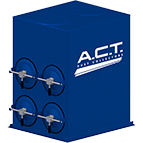
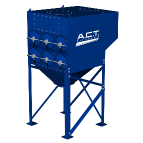
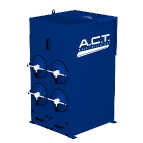

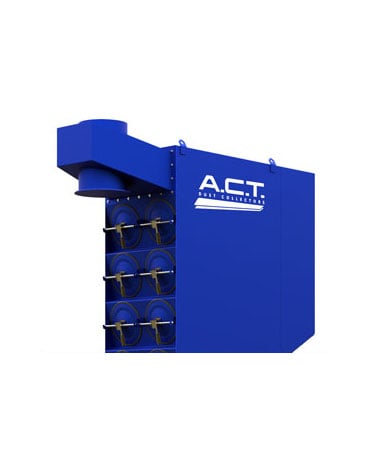
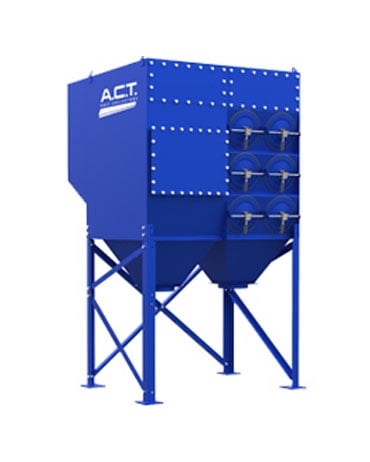
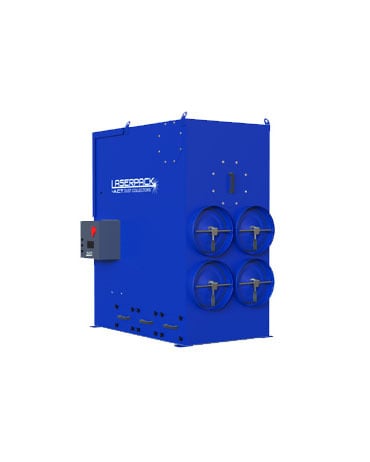
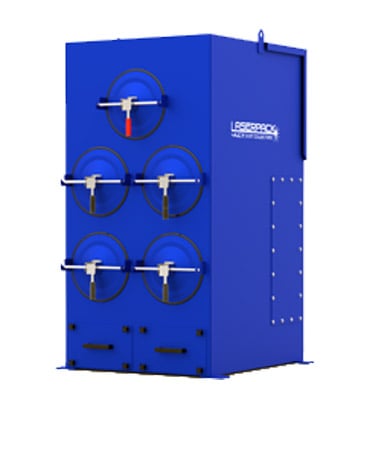
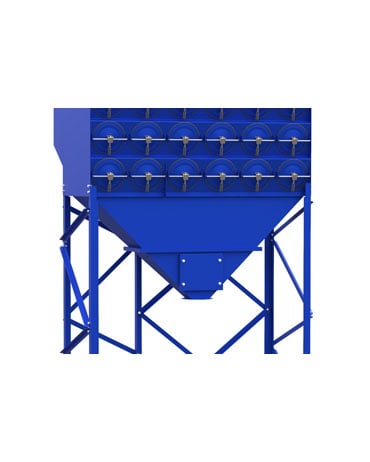
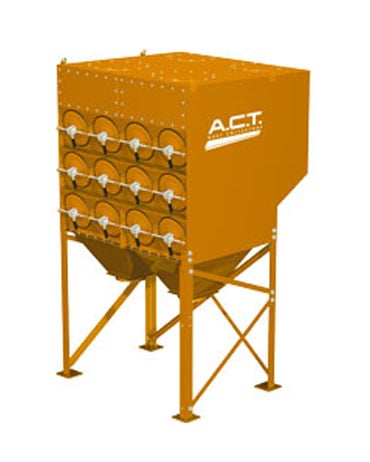
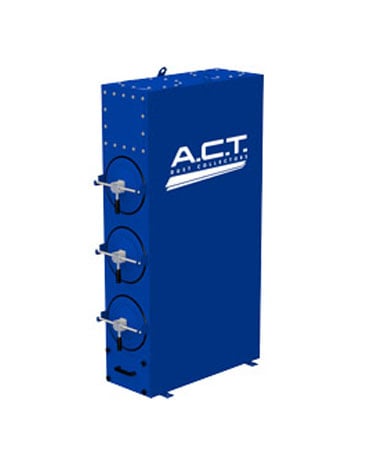
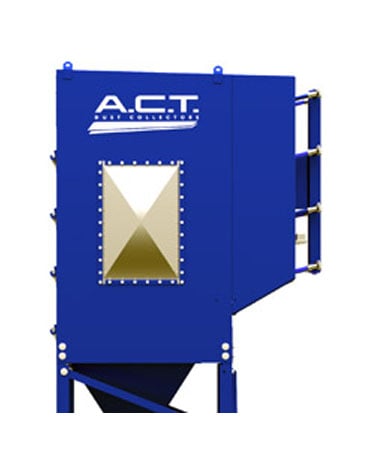
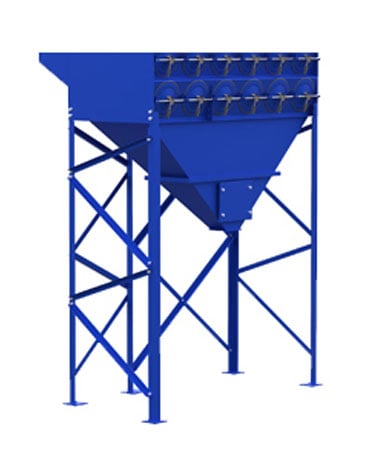
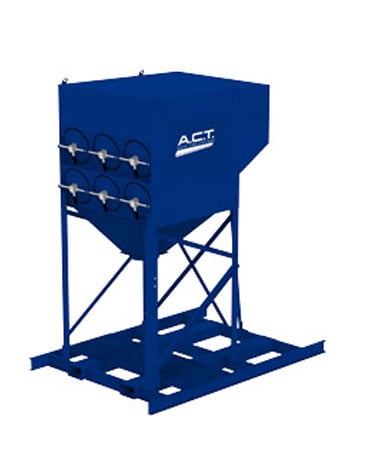
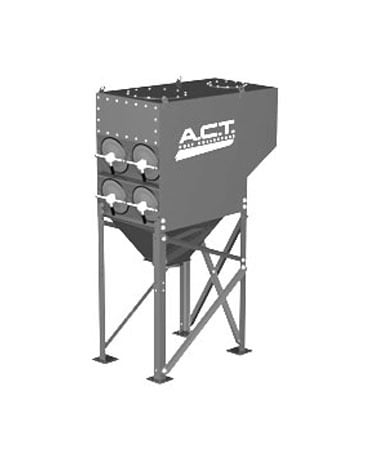
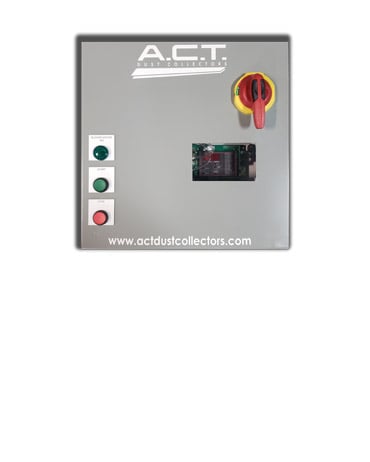
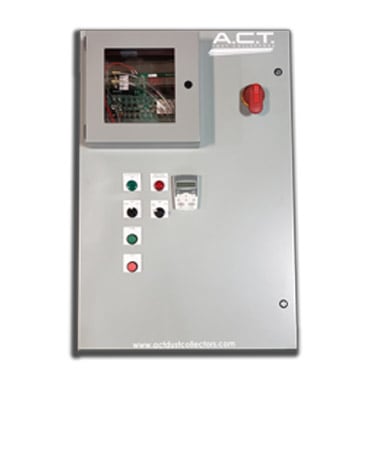

If you work in a facility that handles heavy dust, there is a good chance a baghouse dust collector is already part of your operation, or at least on your radar. But beyond knowing that it cleans the air, have you ever stopped to consider how it actually works, or why it is better suited to certain applications than other dust collection systems?
In this post, we will walk you through how a baghouse dust collector functions, break down its main components, explain the different cleaning methods, and help you figure out when a baghouse is the right call for your facility.
What is a Baghouse Dust Collector?
A baghouse dust collector uses long, cylindrical fabric bags to filter dust particles out of an airstream. Dirty air enters the unit and passes through the bags, where dust accumulates on the outer surface of the fabric. The cleaned air passes through the filter material and is either exhausted outside or recirculated back into the workspace.
The basic principle is straightforward - the bags act as a physical barrier between the dusty incoming air and the clean air leaving the system. Over time, the dust cake that builds up on the bags actually improves filtration by acting as an additional filter layer, though it also increases airflow resistance, which is why a cleaning mechanism is essential to maintaining performance.
How Does a Baghouse Dust Collector Work Step by Step?
Understanding the process from start to finish makes it easier to troubleshoot, maintain, and size a system correctly.
Step 1: Dirty air enters the system: A fan draws dust-laden air from the source, such as a woodworking machine or grain handling line, and pushes or pulls it into the baghouse housing.
Step 2: Dust collects on the filter bags: As air moves through the fabric bags, dust particles are captured on the outer surface of the bags. The bags act as a filtration barrier, allowing air to pass through while retaining the particulate.
Step 3: Cleaned air exits the system: Air that has passed through the bag material is significantly cleaner and is either discharged outside the building or returned to the facility, depending on the system design and applicable air quality requirements.
Step 4: The cleaning system removes dust buildup: As dust accumulates on the bags, airflow resistance increases. The cleaning system activates periodically to dislodge the collected dust from the bag surface.
Step 5: Dust falls into the hopper: Once dislodged, the dust falls by gravity into the hopper at the base of the unit, where it is collected and deposited into a waste container or disposal system.
What Are the Different Baghouse Cleaning Methods?
Most baghouse systems include an automatic filter cleaning mechanism to keep the bags from becoming overloaded and to maintain consistent airflow. There are three cleaning methods commonly used in industrial baghouse systems.
Shaker System
The shaker system is the most basic cleaning method. A motor mechanically agitates the bags, shaking collected dust off the outer surface and allowing it to fall into the hopper. Shaker baghouses are typically used in lower-volume applications and are generally the simplest to maintain.
Reverse-Flow System
In a reverse-flow baghouse, a fan periodically redirects airflow back into the center of the bag. This action causes the bags to flex inward, which cracks and dislodges the accumulated dust cake. Reverse-flow systems are well-suited to applications where gentle cleaning is preferred to extend bag life.
Pulse Jet System
The pulse jet method fires short, high-pressure bursts of compressed air down the inside of each bag. The sudden force blasts the dust off the exterior of the bag and into the hopper below. Pulse jet cleaning is the most widely used method in modern baghouse designs because it can clean bags while the system continues to operate, without the need to shut down.
In all three cases, the dust that is knocked off the bags falls into the hopper and is then transferred to a disposal container.
What Are the Main Components of a Baghouse System?
A baghouse dust collector is made up of several key components, each of which plays a role in the overall filtration process:
Filter Bags
Made from woven or felted fabric, these cylindrical bags capture dust on their outer surface while allowing air to pass through. The fabric type, weave, and finish are selected based on the application.
Housing
The structural enclosure that contains the filter bags, manages the airflow, and separates the dirty air side from the clean air side of the system.
Cleaning System
The mechanism, whether shaker, reverse-flow, or pulse jet, that periodically removes accumulated dust from the bag surface to maintain airflow and filtration performance.
Hopper
The funnel-shaped base of the unit where dislodged dust collects before being discharged into a disposal container.
Fan
Draws air through the system and maintains the airflow velocity needed to transport dust from the source to the collector.
What Are Baghouse Dust Collector Filters?
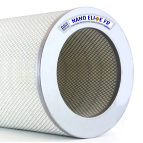
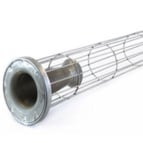
The filter bags in a baghouse system are cylindrical fabric tubes, supported by wire cages that help them hold their shape during operation. They work best when the dust load is heavy and the particulate is on the larger side, generally five microns and above. Common examples include wood shavings, grain dust, and bulk material processing byproducts.
Fabric bags tend to outlast cartridge filters in these kinds of demanding environments. Where cartridge filters may struggle under high dust volumes and abrasive particulates, bag filters are built for those operating conditions. That said, putting the wrong filter in any system will hurt performance regardless of how well the rest of the unit is built. The starting point is always understanding your application first.
Why Filter Quality Matters
A dust collection system is only as reliable as the filters running inside it. Using the wrong bag, or a low-quality one, creates problems that compound over time:
- Faster wear: Mismatched filters degrade more quickly under heavy or abrasive dust loads.
- Reduced filtration: Poorly suited bags allow more particulates to pass through, affecting air quality and compliance.
- Higher costs: Premature filter failure means more frequent replacements and unplanned downtime.
Using a filter built for your specific dust type and load means more consistent airflow, longer service intervals, and a system that holds up in daily operation. A.C.T. Dust Collectors offers OEM replacement bag filters designed to work with their baghouse systems. If you are unsure which filter is right for your application, our team can help you make the right call before it becomes a maintenance problem. Contact us today to discuss your needs.
How Efficient is a Baghouse Dust Collector?
Baghouse efficiency is often discussed in terms of micron capture range. Bag filters typically perform in the five micron and above range, which covers most heavy industrial dusts. They are not optimized for very fine particulate, sub-micron or fine respirable dust, where cartridge collectors with pleated media generally offer better filtration efficiency.
That said, raw efficiency numbers do not tell the whole story. In applications with high dust loads, sticky or adhesive materials, or elevated temperatures, a baghouse may be the better-performing and more practical option even if its theoretical filtration efficiency is lower than a cartridge system. The right measure of efficiency is whether the system handles your specific dust at your specific volume reliably and consistently.
When Should You Use a Baghouse Dust Collector?
Choosing the right dust collector comes down to your application, and certain conditions consistently point toward a baghouse system. Here are the factors that typically make it the right call:
High Temperature Applications
If your process generates elevated air temperatures, typically above 250 degrees Fahrenheit as a general reference point, a baghouse fitted with the appropriate bag material is often the more suitable option. Your specific temperature requirements should be confirmed with a dust collection specialist when specifying a system.
Sticky or Adhesive Dust
Fabric bags are well suited to releasing sticky or adhesive particulate during the cleaning cycle. The flexibility of the bag material allows the dust cake to break away cleanly, which keeps the system running efficiently even with challenging materials.
Heavy Dust Load
The higher your dust volume, the stronger the case for a baghouse. Bag filters are built to handle extreme loading conditions over extended periods, making them a reliable choice for processes that generate large amounts of dust continuously.
Durability and Long Filter Life
In demanding, high-volume applications, fabric bags hold up well over time. Their flexibility and durability in heavy-loading environments means longer service intervals, fewer replacements, and lower maintenance costs in the long run.
Baghouse vs. Cartridge Dust Collectors
Both baghouse and cartridge systems are effective industrial dust collectors, but they are built for different conditions.
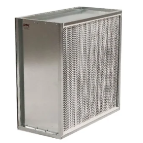
Cartridge dust collectors use pleated filter media, which provides a larger surface area in a smaller footprint. They generally achieve finer filtration and are well suited to lighter dust loads and smaller particulates. They are a common choice for welding fume, laser cutting smoke, and other fine particulate applications.
Baghouse collectors use fabric bags and are better equipped for heavy dust loads, high temperatures, and abrasive or sticky materials. Their larger physical size and simpler filter media make them more practical for applications like woodworking, grain handling, and bulk material processing.
Sometimes, the right system is obvious based on your process. Other times, dust type, volume, temperature, and facility layout all pull in different directions, and that is where a professional assessment makes a real difference. Getting it wrong can mean poor filtration performance, premature filter wear, and potential gaps in meeting OSHA air quality requirements for your facility. If you are not sure which system fits your operation, contact the A.C.T. team and we will help you choose the right dust collector based on your specific application and compliance needs.
To learn more, explore our guide Baghouse vs. Cartridge Dust Collectors.
FAQs About Baghouse Dust Collectors
What does a baghouse dust collector do?
Simply put, a baghouse dust collector cleans the air in your facility. Dirty air gets pulled through fabric filter bags, dust collects on the outside of the bags, and the cleaned air either gets recirculated back into the workspace or exhausted outside. It is one of the most reliable ways to manage heavy dust in an industrial environment.
What is the filtration efficiency of a baghouse dust collector?
Baghouse systems are commonly selected for heavier particulate and applications in the five micron and above range, though actual filtration performance depends heavily on filter media, dust characteristics, and system design. If you are dealing with very fine or sub-micron dust, a cartridge collector might be a better fit.
What industries use baghouse systems?
Quite a few. Baghouse collectors are commonly used across industries that generate high dust volumes and coarser particulate, including:
- Woodworking
- Feed and grain
- Recycling and scrap
- Metalworking
- Heavy equipment manufacturing
How often do baghouse filters need to be replaced?
It really depends on your application and how well the system is maintained.
In heavy-loading environments, fabric bags generally hold up longer than cartridge filters. That said, it is worth inspecting them regularly. If you are seeing pressure drop issues or dust passing through, that is usually a sign the bags are due for a look. You can also read our post to understand how differential pressure affects your baghouse filters.
What is the difference between a baghouse and a cartridge collector?
Baghouses use fabric bags and handle heavy dust loads, high temperatures, and sticky or abrasive materials well. Cartridge collectors, on the other hand, use pleated media, work better on finer particulates, and take up less floor space. Which one is right for you comes down to what your process actually generates and how much of it.
In Need of a Baghouse Dust Collector?
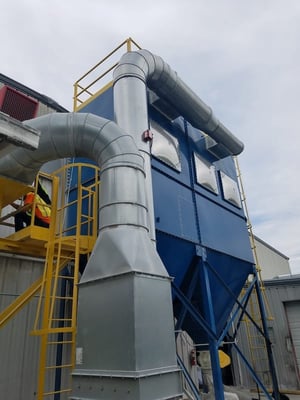
A.C.T. Dust Collectors has manufactured and installed hundreds of dust collection systems across demanding industrial environments, indoors and outdoors. One example is two 10,000 CFM baghouse systems built for a grain milling facility that needed serious dust collection capacity and got exactly that.
Dust collection is not a one-size-fits-all decision, and a wrong choice costs you in performance, maintenance, and downtime. The A.C.T. team brings the application knowledge to get it right the first time, whether that means a baghouse, a cartridge system, or something in between. Talk to our team today and let's find the right system for your facility.

.png?width=240&height=91&name=ACT%20Dust%20Collectors%20Logo%20Solid%20White%202020%20(1).png "ACT Dust Collectors Logo Solid White 2020-2")
.png?width=148&height=149&name=usa-manufactured-dust-collectors%20(1).png "United States Flag")