FAQs Around Torch Cutting Dust Control
What kind of dust and fumes are produced during torch cutting?
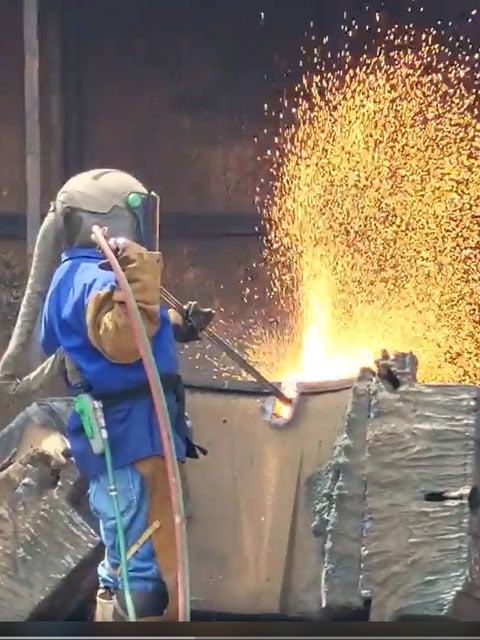
Torch cutting produces a mix of metal fumes and fine oxide dust - typically iron oxide and manganese from carbon steel cutting.
The process also creates heat, sparks, and combustion byproducts. Cutting stainless steel or certain alloys may generate hexavalent chromium, a substance linked to respiratory and other health risks. Use source capture and high-efficiency filtration to keep the air clear.
Is torch cutting dust harmful to breathe?
Yes, metal fumes from torch cutting pose both immediate and long-term health risks. Inhalation can irritate the lungs and respiratory system, and chronic exposure to metals like manganese has been linked with neurological effects.
Do I need a spark arrestor for a torch cutting dust collector?
In most torch cutting setups, yes - a spark arrestor is essential. This device helps cool and separate hot embers and sparks before they reach your dust collector's filters, dramatically reducing fire risk and preventing costly equipment damage.
What are signs your facility needs better torch cutting dust collection?
Watch for these warning signs:
- Visible haze or smoke lingering in work areas during or after cutting operations
- Metallic odors and frequent filter clogging indicating system overload
- Spark events in ductwork or collection bins signaling fire hazards
- Worker complaints about respiratory irritation, burning eyes, or reduced visibility at cutting stations
- Metal dust accumulation on surfaces and equipment showing airborne particulates aren't being controlled
OSHA recommends engineering controls as the primary solution for these air quality issues.
How often should filters be changed in a torch cutting dust system?
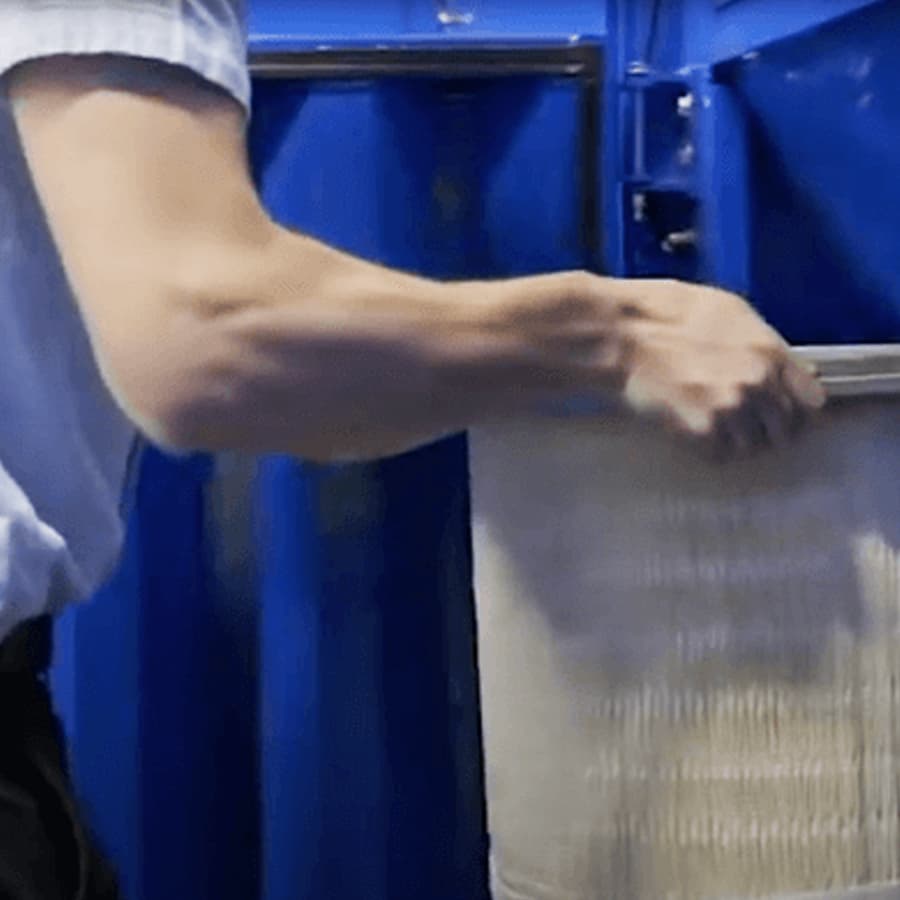
Filter change frequency depends on your production volume, materials being cut, and system design. Pulse-clean cartridge collectors with automated cleaning can often run for months between filter changes.
Most operators monitor the pressure drop across filters using a differential pressure gauge - when readings exceed manufacturer recommendations, it's time to service or replace filters. Proper system sizing and regular maintenance significantly extend filter life. See A.C.T.'s FAQ resources for general best practices.
Dust Collection System Types and Considerations
Several dust collection solutions work effectively for torch cutting applications:
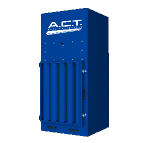
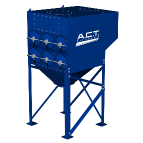
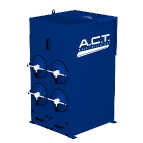
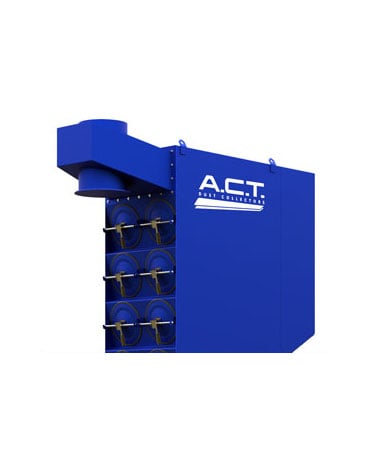
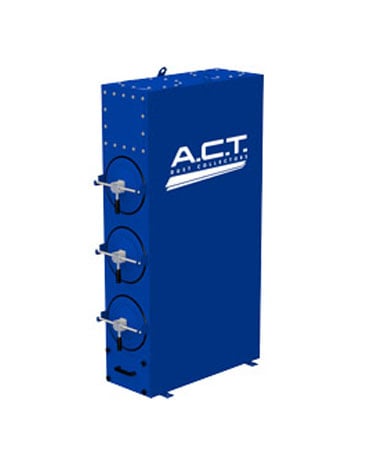
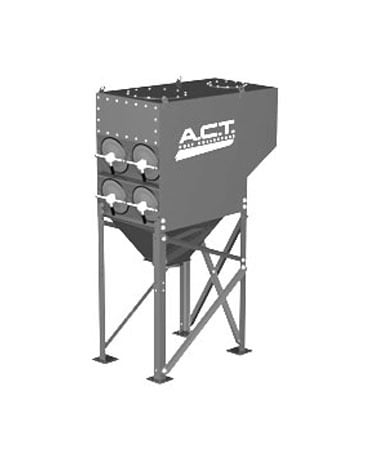
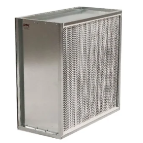
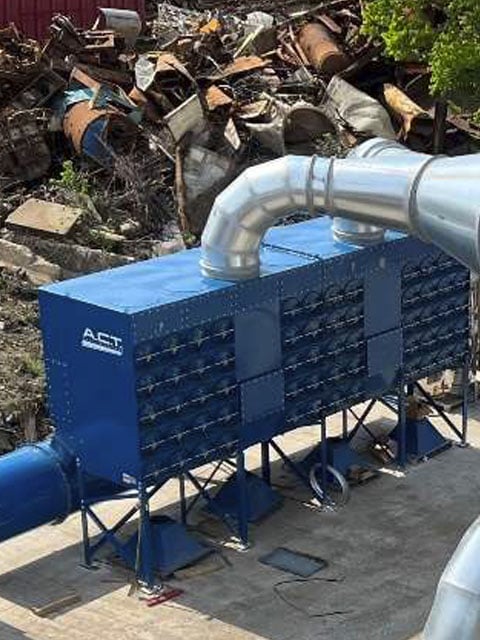
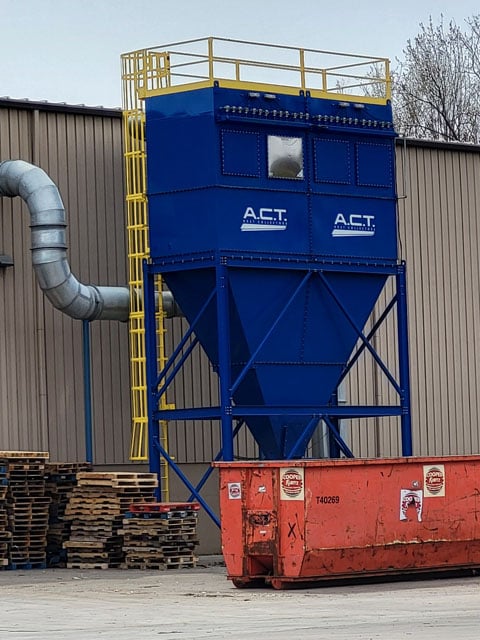
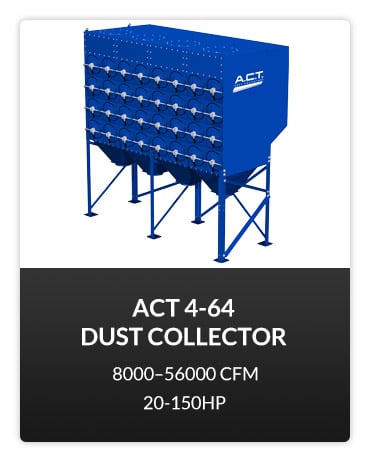
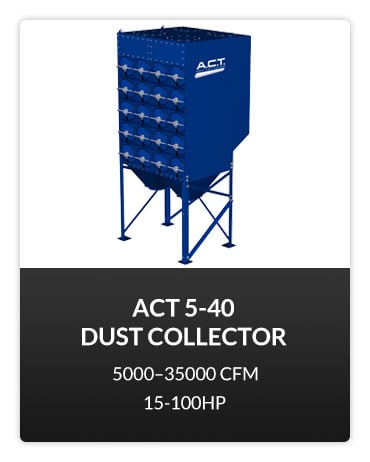
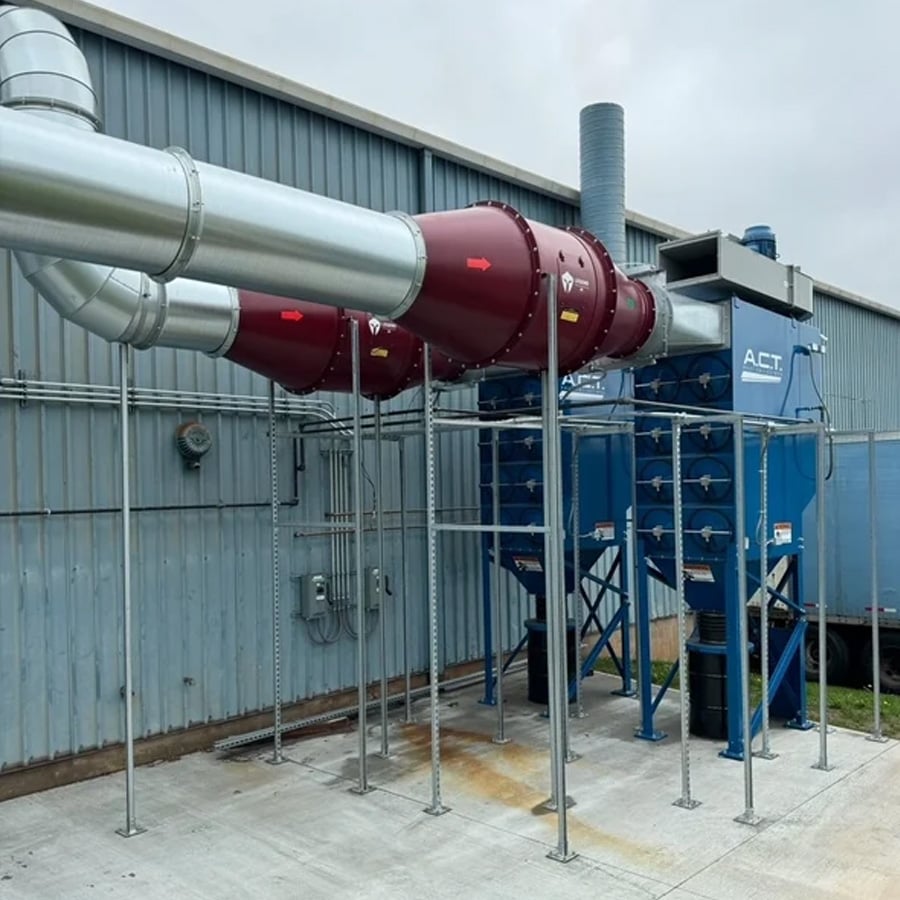
Cartridge Dust Collectors: Offer high-efficiency filtration in a compact footprint, with pulse-clean features that automatically maintain filter performance.
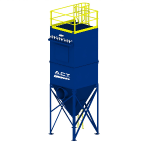
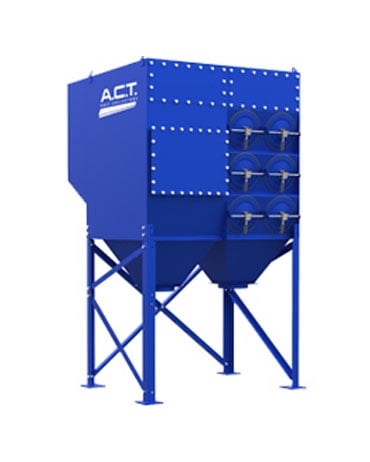
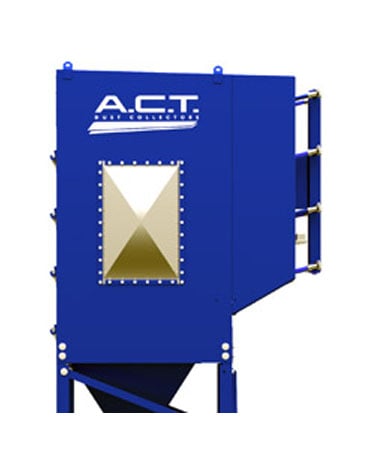
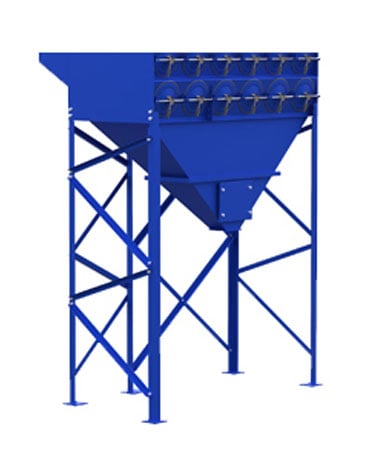
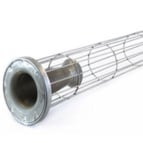
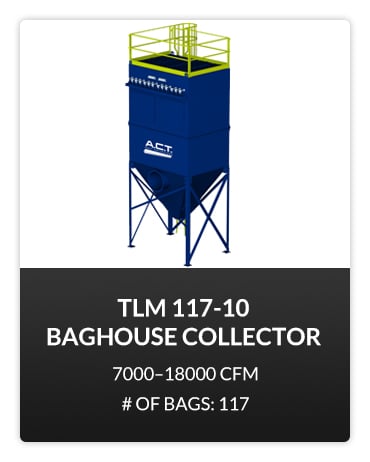
Modular Baghouses: Handle higher dust loads and work well for facilities with multiple cutting stations or continuous operations.
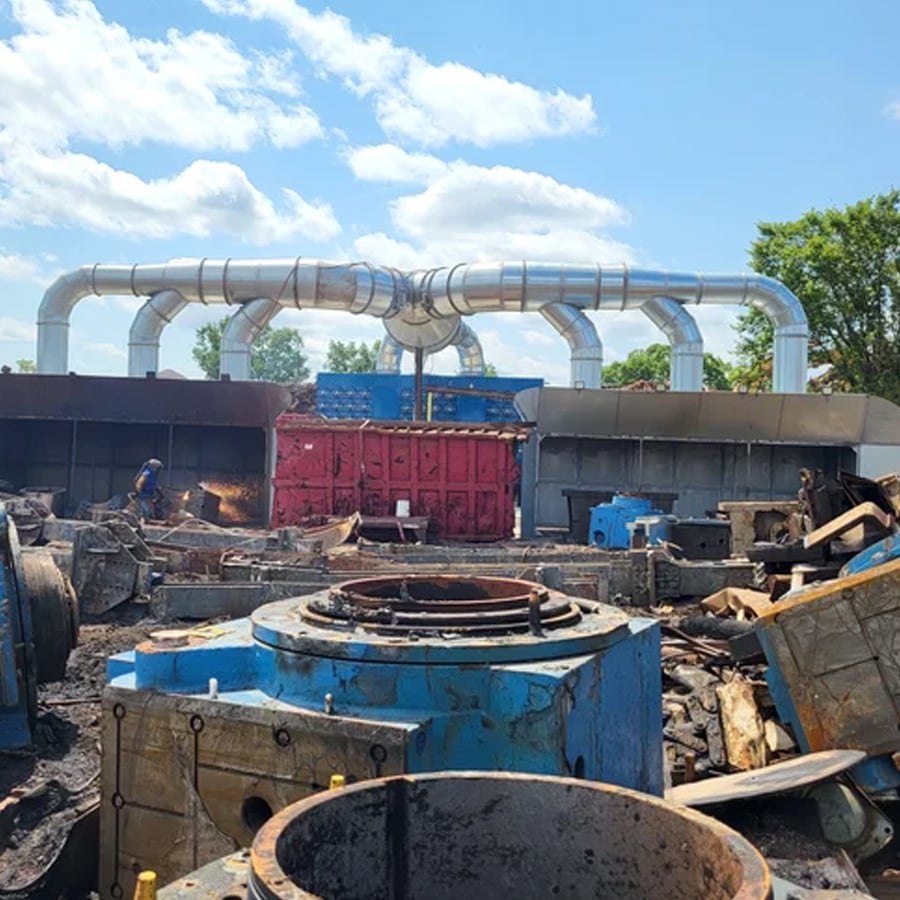
Source-Capture Systems: Hoods, downdraft tables, and flexible fume arms positioned near the cutting point capture emissions before they spread through your facility.
Spark Arrestors: Critical for any torch cutting system. These devices cool hot particles and prevent fires in your collection equipment.
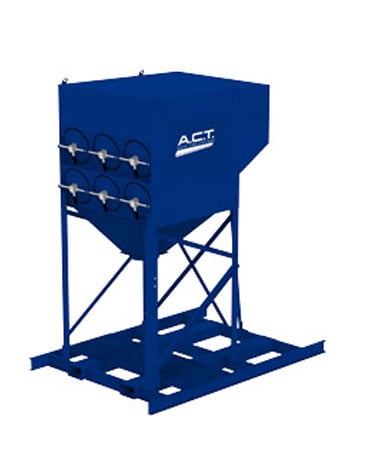
System choice depends on cut frequency, materials processed, and facility layout - similar to our solutions for weld smoke and fumes. A.C.T. also offers application-matched options specifically designed for laser and plasma cutting processes. For more information, refer to our guide on things to consider when selecting an industrial dust collector system.
Designing for Efficiency, Safety, and Compliance
An effective torch cutting dust collection system follows a proven approach built on four key principles based on 4 Cs:
Capture at the Source: Use hoods, downdraft tables, or fume arms positioned where cutting occurs to capture fumes before they spread across the work floor. OSHA recommends engineering controls as the primary method for protecting workers from hazardous exposures.
Cool the Airstream: Install spark arrestors or provide sufficient cooling distance before hot particles reach filters. This prevents embers from igniting accumulated dust and causing fire incidents or forced shutdowns, aligning with NFPA combustible dust fundamentals.
Contain Fine Particulates: Select high-efficiency filtration designed for ultra-fine metal fumes, not just coarse chips or grinding dust. Proper media selection maintains steady airflow, clear visibility, and safe conditions.
Comply with Exposure Limits: When cutting stainless steel or alloys that generate hexavalent chromium, design systems to meet OSHA's PEL standards through consistent source capture and air monitoring.
Need Help Choosing the Right Torch Cutting Dust Collector?
Every torch cutting operation is different - from the metals you process to your facility layout and production schedule.
A.C.T. Dust Collectors brings decades of experience helping cable recycling and metal fabrication facilities solve their air quality challenges. We can assess your torch cutting operation and recommend solutions that protect your workers while supporting efficient production.
Ready to improve safety and compliance in your facility? Schedule a consultation today, explore our industrial dust collection systems and ready-to-ship inventory, or contact our team to discuss your specific torch cutting dust collection requirements.



.svg)



















%20Collectors%20Image.png?width=143&height=143&name=ADC%20(Ambient)%20Collectors%20Image.png)


.png?width=240&height=91&name=ACT%20Dust%20Collectors%20Logo%20Solid%20White%202020%20(1).png "ACT Dust Collectors Logo Solid White 2020-2")
.png?width=148&height=149&name=usa-manufactured-dust-collectors%20(1).png "United States Flag")