



.svg)

















%20Collectors%20Image.png?width=143&height=143&name=ADC%20(Ambient)%20Collectors%20Image.png)
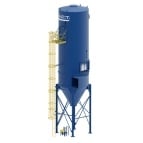
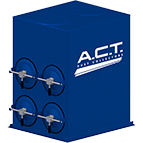
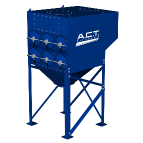
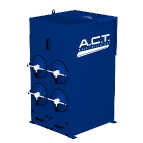

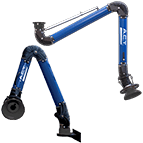
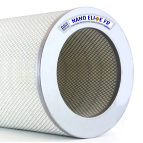

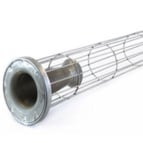
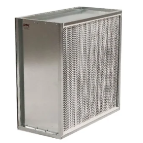
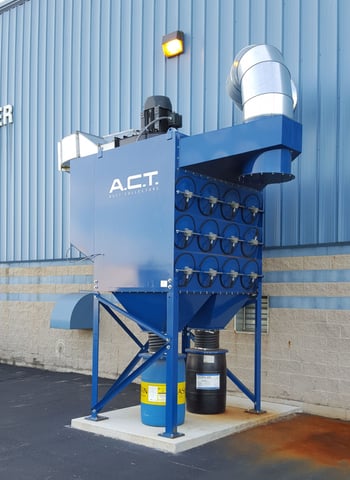
In most manufacturing facilities, dust starts as something ordinary. It appears near a grinder, settles around a conveyor, collects on overhead surfaces, or shows up during routine cleanup. Because it feels familiar, it is easy to treat it as part of the job.
But industrial dust is not always harmless. OSHA has documented serious combustible dust incidents where accumulated dust contributed to explosions, including a 2003 pharmaceutical plant explosion in North Carolina that killed six employees and injured 38, and a Kentucky acoustics plant incident the same year that killed seven workers after a fire ignited nearby dust and triggered secondary explosions throughout the facility.
Those examples are not included here to create fear. They show why dust control deserves serious attention. In everyday operations, dust can affect air quality, worker health, equipment reliability, product quality, housekeeping, and compliance long before it becomes a major incident.
That is where a well-designed industrial dust collector becomes important. It helps capture dust at or near the source, filter it from the airstream, and support cleaner, safer operating conditions. In this post, we will walk through the key benefits of dust collection and why the right system can make a measurable difference for your people, your equipment, and your operation.
What is a Dust Collector?
A dust collector is an industrial air filtration system used to control dust, fumes, and airborne particulates generated during production. Its job is to keep contaminants from spreading through the facility, settling on equipment, or entering the breathing zone.
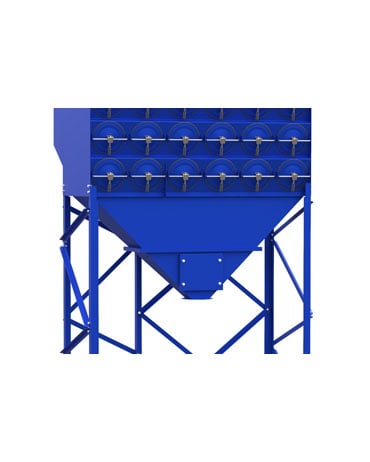
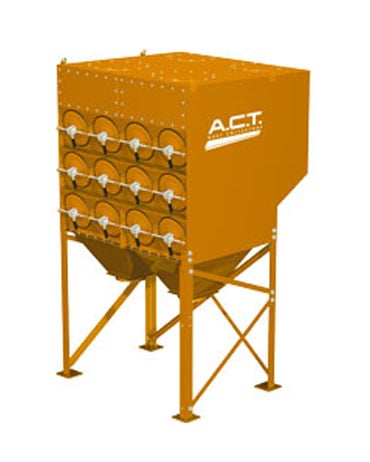
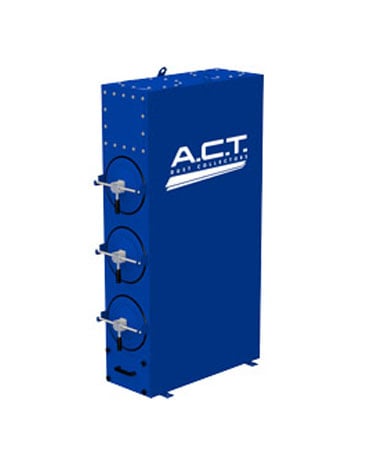
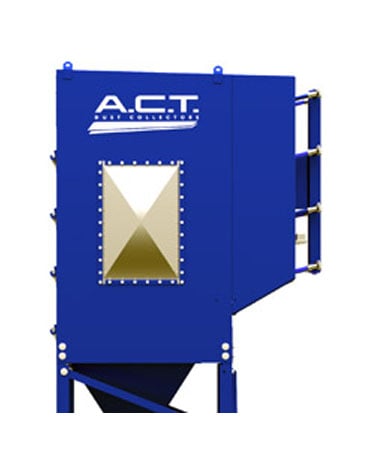
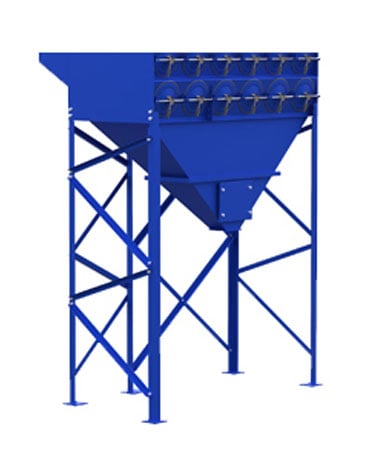
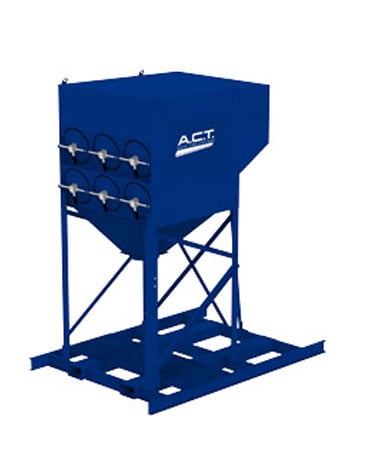
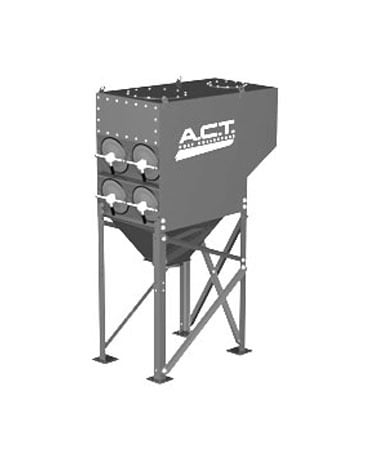
Different facilities need different types of dust collectors. A cartridge dust collector uses pleated filter media and is often suited to finer particulate, fumes, and applications where space is limited. A baghouse dust collector uses fabric filter bags and is generally better suited to heavier dust loads, larger particulates, and more demanding operating conditions.
The best system is not chosen by name alone. It depends on the dust being generated, how much of it your process creates, where it is released, and what level of filtration your facility needs to operate safely and efficiently.
How Does a Dust Collector Work?
Once dust is generated, the system’s job is to move it from an uncontrolled space into a controlled filtration path. Airflow created by the fan pulls dust-laden air from the process area into the collector, where the particulate is separated from the air and deposited into a collection point.
The process usually follows a simple path. First, dust is captured close to the source, such as a cutting table, sanding station, conveyor transfer point, or production machine. Next, a fan creates the airflow needed to move that dust-laden air into the collector. Inside the unit, the air passes through filter media, such as cartridge filters or fabric bags. Dust stays on the filter surface while cleaned air moves through the system.
Once filtered, the air is either exhausted outside or returned to the facility, depending on the application and air quality requirements. Over time, dust builds up on the filters. The system’s cleaning mechanism removes that buildup so airflow and filtration performance stay consistent.
In simple terms, a dust collector works by creating the right airflow, separating dust from the air, collecting the material, and keeping the system breathing properly over time.
Why Dust Collectors Matter in Industrial Facilities
Industrial facilities are busy places. Workers are focused on keeping production moving, meeting deadlines, and managing day-to-day operations. In that environment, dust management is easy to overlook, and that is exactly when it becomes a problem.
Fine dust particles, those too small to see clearly, are often the most hazardous. They travel further, stay airborne longer, and penetrate deeper into the respiratory system when inhaled.
Take a metalworking facility where grinding and deburring operations run continuously throughout the day. The metal fines generated are not just a housekeeping issue. They are a respiratory hazard, a fire risk, and in some cases, a combustible dust concern that falls under NFPA guidelines. The same is true in woodworking environments, where fine wood dust accumulates quickly and can reach explosive concentrations if ventilation and collection are not properly managed.
In food processing and pharmaceutical facilities, the concern shifts toward contamination. Airborne particulates that settle on products or surfaces mid-process can compromise quality, trigger regulatory scrutiny, and in some cases, lead to product recalls.
Across all of these environments, a properly specified dust collection system addresses health, safety, and compliance risks at the source rather than after the fact.
Dust Collector Benefits for Your Facility
Improve Air Quality and Worker Health
The most immediate benefit of a dust collection system is cleaner air at the source.
When dust, fumes, and fine particulates are captured before they disperse into the workspace, workers are exposed to significantly lower concentrations of airborne contaminants. Over time, this reduces the risk of respiratory conditions and other occupational health issues associated with prolonged dust exposure.
OSHA sets permissible exposure limits (PELs) for a range of airborne contaminants found in industrial environments. A well-designed dust collection unit helps facilities stay within those limits and supports a healthier working environment on a daily basis.
Increase Equipment Efficiency and Lifespan
Your facility's equipment represents a significant capital investment, and you expect it to perform reliably over the long term. Dust puts that at risk. When fine particulate settles inside machinery, it works its way into moving parts, clogs cooling systems, and accelerates wear on components that are expensive to repair or replace. Equipment running in a dusty environment without adequate air filtration tends to break down more often, require more maintenance attention, and fall short of its expected service life.
A dust collector helps reduce this risk at the source. Cleaner air around your equipment means fewer unplanned stoppages, lower maintenance costs, and more consistent output over time.
Support OSHA and NFPA Compliance
A dust collection system does not automatically make a facility compliant, but it supports the controls and housekeeping practices that compliance depends on.
OSHA standards address airborne contaminants and ventilation in different contexts, including 29 CFR 1926.55, which covers gases, vapors, fumes, dusts, and mists in construction, and 29 CFR 1910.94, which applies to certain general industry ventilation operations such as abrasive blasting, grinding, polishing, and buffing. OSHA housekeeping requirements also state that workplaces must be kept clean, orderly, and sanitary.
For facilities where dust may be combustible, exposure control is only one part of the concern. Combustible dust also needs to be managed through recognized fire and explosion prevention practices. NFPA 660 now serves as the consolidated combustible dust standard, bringing together earlier standards such as NFPA 654 into one framework for facilities that handle combustible dusts and particulate solids. It addresses hazard assessment, dust control, housekeeping, and explosion risk management.
For plant managers and EHS teams, the practical takeaway is simple: dust needs to be understood, captured, collected, and maintained through a documented process. A properly designed dust collection system helps reduce airborne concentrations, supports housekeeping, and gives the facility a more controlled way to manage dust-related risk at the source.
Improve Product Quality
In many manufacturing processes, airborne dust is a contamination risk. Dust settling on surfaces, coatings, or components mid-process can introduce defects that affect the finished product. This is particularly relevant in industries like pharmaceuticals, food processing, and precision manufacturing, where contamination controls are tightly managed.
Reducing airborne particulates through effective dust collection strategies keeps your process environment cleaner and reduces the risk of contamination-related rework or rejection.
Improve Employee Satisfaction and Retention
Employees notice when the air feels dusty, stale, or irritating. Poor indoor air quality can show up as coughing, throat irritation, headaches, fatigue, or general discomfort, and those issues can become harder to separate from normal workplace stress if they happen often.
In dust-generating facilities, this matters because employees are closest to the problem every day. If they can see dust in the air, smell process fumes, or constantly deal with dust settling around their work area, it affects how safe and supported they feel on the job.
A well-designed dust collection system helps reduce those daily irritants by capturing airborne particulates closer to the source. Cleaner air does not replace training, PPE, or proper ventilation, but it does make the work environment feel more controlled and professionally maintained. Over time, that can support fewer complaints, better morale, and stronger trust in the facility’s safety culture.
When Should You Install a Dust Collection System?
There is no single trigger that tells you it is time to install a dust collection system. More often, it is a combination of things you start noticing over time. Here are the most common signs that your facility needs a closer look:
- Visible dust buildup: If dust is regularly settling on surfaces, equipment, or products, that is a sign your current ventilation is not keeping up with what your process generates.
- Rising maintenance frequency: When your team is spending more time cleaning equipment, replacing components, or dealing with breakdowns than usual, dust infiltration is often a contributing factor worth investigating.
- Compliance concerns: If you are preparing for an inspection, responding to a citation, or expanding into a process that involves combustible materials, having a documented dust control approach in place matters.
- Worker complaints or health-related absences: Employees are often the first to notice when air quality is off. Persistent complaints about dust, odor, or respiratory discomfort should not be dismissed as routine.
- Facility expansion or new processes: Adding equipment, increasing production volume, or introducing a new application can push an existing ventilation setup beyond its design capacity. It is worth reassessing before problems develop.
Any one of these is worth taking seriously. If more than one applies to your facility, it is probably time to have a conversation with a dust collection specialist.
Choosing the Right Dust Collector for Your Facility
There is no universal answer when it comes to selecting a dust collection system. The right choice depends on your dust type, particle size, volume, process temperature, available space, and whether the application involves combustible materials.
A.C.T. offers several system types to match different facility needs and applications:
- Cartridge dust collectors: A good fit for finer particulate applications like welding fume, laser cutting smoke, or light grinding dust. Compact footprint with a large filter surface area.
- Baghouse dust collectors: Better suited to heavier dust loads, elevated temperatures, or abrasive and sticky materials. Common in woodworking, grain handling, and bulk processing environments.
- Ambient air filtration systems: Used as supplemental air cleaning in areas where source capture is not practical or where overall facility air quality needs additional support.
If you are not sure where to start, explore A.C.T.'s full range of dust collection systems or talk to the team about your specific application.
FAQs About Dust Collectors
What does a dust collector do?
A dust collector captures airborne dust, fumes, and fine particulates at the source and filters them out of the airstream before they can disperse into the workspace. Cleaned air is either returned to the facility or exhausted outside. The goal is to keep the air workers breathe as clean as possible while protecting equipment and meeting air quality requirements.
How does a dust collection system improve air quality?
A dust collection system captures contaminated air at or near the source, filters out the particulate, and returns cleaner air to the facility or exhausts it outside. This prevents dust from dispersing into the breathing zone, settling on equipment, or accumulating in hidden areas like overhead beams and ductwork where it can be shaken loose later. The result is measurably lower airborne concentrations throughout the workspace.
What industries need dust collectors?
Dust collectors are used across a wide range of industries wherever dust, fumes, or airborne particulates are generated as part of normal operations. Common examples include metalworking, woodworking, pharmaceutical, food processing, feed and grain, and recycling and scrap.
How often should filters be replaced?
Filter replacement frequency depends on the application, dust load, and how well the cleaning system is maintaining differential pressure within the normal operating range. In lighter-duty applications, filters may last considerably longer than in heavy-loading environments.
The best approach is to monitor differential pressure regularly and inspect filters on a set schedule rather than waiting for performance to drop noticeably. You can learn more about filter maintenance and replacement here.
What is the difference between a baghouse and a cartridge dust collector?
Cartridge collectors use pleated filter media that provides a large filtration surface in a compact footprint. They perform well on finer particulate and lighter dust loads. Baghouse collectors use cylindrical fabric filter bags and are built for heavier dust loads, higher temperatures, and more abrasive or sticky materials. The right choice depends on your dust type, volume, and operating conditions. For a more detailed breakdown, read our guide on baghouse vs. cartridge dust collectors.
Ready to Find the Right Dust Collection System?
Before dust can be controlled, it has to be captured. A dust collector is the system that does that job. It pulls contaminated air away from the process that creates it, separates dust from the airstream, and helps keep that particulate from circulating through the facility.
Whether you are dealing with a specific dust problem, preparing for a compliance review, or planning a new installation, the A.C.T. Dust Collectors team has the application experience to help you make the right call. Explore ready-to-ship dust collectors or talk to our team about your application and we will help you find the right fit for your facility.

.png?width=240&height=91&name=ACT%20Dust%20Collectors%20Logo%20Solid%20White%202020%20(1).png "ACT Dust Collectors Logo Solid White 2020-2")
.png?width=148&height=149&name=usa-manufactured-dust-collectors%20(1).png "United States Flag")