Blasting Dust Collctor Application FAQs
What size dust collector do I need for an abrasive blasting operation?
The right abrasive blasting dust collector is sized based on airflow (CFM), the size of the blast enclosure, the type of blast media, and the amount of dust generated. An undersized system may allow dust to escape, while an oversized system can increase energy costs and reduce efficiency. A properly engineered dust collection system provides consistent airflow, extends filter life, and maintains clear visibility throughout the blasting process. Because every operation is different, the best system is one designed around your specific application and production requirements.
What filter media works best for abrasive blasting dust?
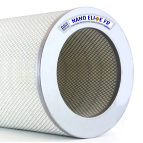
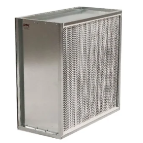
Abrasive blasting applications require durable filter media that can withstand constant exposure to fine, abrasive particles. High-efficiency cartridge filters are commonly used because they capture fine dust while maintaining strong airflow. Features such as abrasion-resistant inlets and pulse-cleaning systems also help extend filter life by preventing excessive dust buildup. The best filter media depends on the blast material, particle size, operating schedule, and dust loading, so selecting the right combination helps reduce maintenance and maintain consistent dust collection performance.
What OSHA and NFPA compliance standards apply to granite and abrasive blasting dust collection?
Abrasive blasting operations must comply with strict OSHA permissible exposure limits (PEL) and NFPA regulations for combustible dust. When blasting granite or stone, OSHA enforces a PEL of 50 micrograms per cubic meter ($50 \ \mu\text{g/m}^3$) over an 8-hour time-weighted average to protect workers from hazardous crystalline silica dust.
Additionally, many blast media dusts or coatings removed from parts are combustible. To comply with NFPA standards, the dust collection system may require safety features such as:
- Explosion isolation valves
- Explosion venting panels
- Fire suppression systems
How do I know when my abrasive blasting dust collector needs maintenance?
Routine maintenance helps keep your dust collection system operating efficiently and prevents unexpected downtime. Common signs that service may be needed include:
- Reduced airflow or dust capture
- Poor visibility inside the blast room
- High differential pressure readings
- Frequent filter replacements
- Dust accumulating around equipment or work areas
Regular inspections of filters, ductwork, fans, and pulse-cleaning components help identify issues early and keep the system performing as designed.
Should I install my blasting dust collector indoors or outdoors?
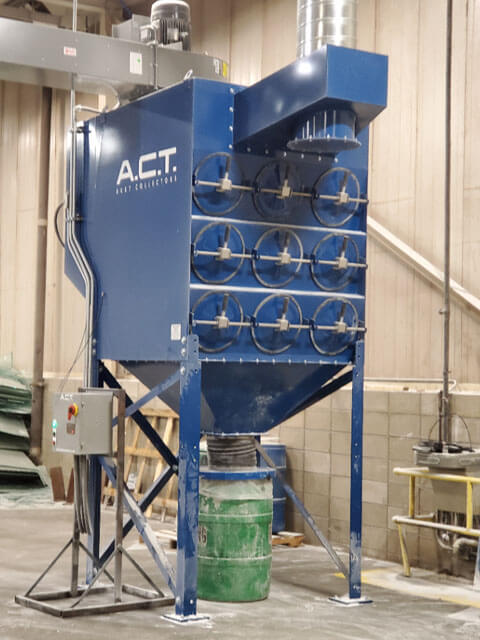
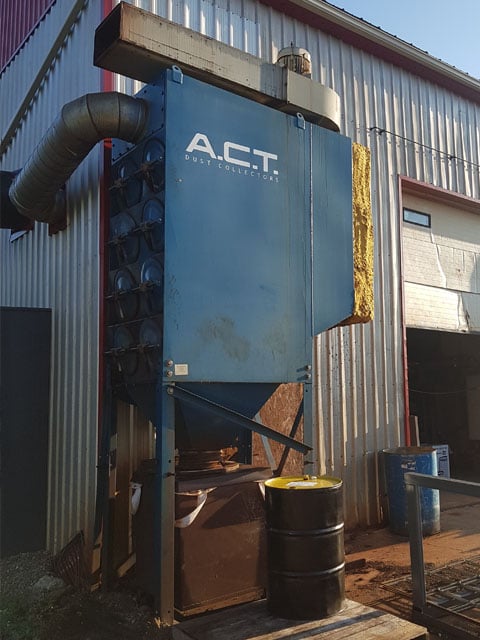
The choice between an indoor or outdoor installation depends on your facility's available floor space, noise tolerance, and compliance requirements.
|
Factor
|
Indoor Installation
|
Outdoor Installation
|
|
Space & Noise
|
Consumes valuable factory floor space; subjects workers to fan noise.
|
Frees up interior floor space; isolates mechanical noise outside.
|
|
Air Return
|
Simplifies returning conditioned air to the plant to reduce heating/cooling costs.
|
Requires return ductwork and safety monitoring to exhaust air back inside.
|
|
Safety Compliance
|
Requires advanced, costly explosion protection if handling combustible dust.
|
Simplifies compliance by venting explosion pressures directly to a safe outside zone.
|
|
Weather Protection
|
Protects components from the elements.
|
Requires weather hoods, treated enclosures, and photohelic gauge protection.
|



.svg)
















%20Collectors%20Image.png?width=143&height=143&name=ADC%20(Ambient)%20Collectors%20Image.png)




.png?width=240&height=91&name=ACT%20Dust%20Collectors%20Logo%20Solid%20White%202020%20(1).png "ACT Dust Collectors Logo Solid White 2020-2")
.png?width=148&height=149&name=usa-manufactured-dust-collectors%20(1).png "United States Flag")