How to Choose the Right Metalworking Dust Collector
Choosing a dust collector can feel overwhelming at first, especially when you start hearing terms like airflow, static pressure, pulse cleaning, filter media, and dust load. But before you get lost in the technical jargon, the most important step is understanding what your operation actually produces and how that dust behaves.
A facility running multiple grinding stations all day will have very different needs than one doing occasional welding or light deburring.
Type of Dust Your Process Generates
The process that creates the dust has a big impact on the type of collector and filtration you need:
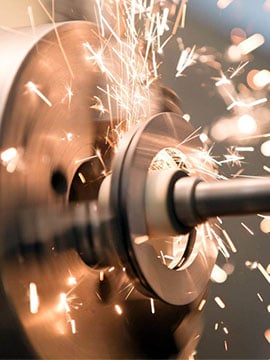
- Grinding and deburring tend to generate heavy, abrasive particles, often mixed with sparks. This dust can be hard on ductwork and collectors if they are not built for the task.
- Cutting and plasma/laser operations produce much finer particulate and fume that hangs in the air longer and can be more difficult to capture.
- Mixed environments where welding, grinding, and finishing happen under one roof require a system that can handle a wide range of particle sizes and dust loads.
Understanding how and where dust is created in each step of your process helps size the collector correctly and design hoods and ductwork that actually capture contaminants instead of simply moving air.
Dust Volume and Operating Schedule
The amount of dust your facility produces, and how often equipment runs, directly affect the size and type of collector you need.
- Dust volume: High-production grinding cells and automated cutting tables can generate large amounts of dust in a short time. Your collector, hopper, and disposal method must be sized to handle that load.
- How often your equipment runs : A single grinding station that runs part of a shift places a very different demand on a system than a full production floor operating across multiple shifts. Your industrial metalworking dust collector should be sized for the actual operating schedule of your facility, not just the rated airflow on the equipment specification sheet.
Getting dust volume and operating schedule right helps avoid overloaded hoppers, frequent filter changes and unexpected shutdowns.
Facility Size and Layout
The physical layout of your plant affects how well a dust collection system performs. Here’s a quick comparison to help you visualize what that means:
|
Facility Consideration
|
What It Means for Your Dust Collector
|
|
Small Shops
|
Benefit from compact collectors, short duct runs, and simple layouts located close to the dust source.
|
|
Large Plants
|
Often require central collectors, longer duct runs, multiple branches, and properly sized hoods or downdraft tables.
|
|
Ceiling Height & Floor Space
|
Determines whether the collector can be placed indoors or outdoors, and influences routing and maintenance access.
|
|
Outdoor Pad Availability
|
Helps decide whether the collector sits outside to save indoor space and reduce noise in work areas.
|
A well-planned layout helps maintain proper conveying velocity in the ductwork while keeping maintenance access safe and straightforward.
Cartridge vs. Baghouse Collectors
Both cartridge and baghouse collectors are used in metalworking, but they are not interchangeable.
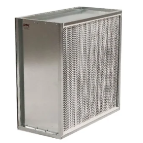
- Cartridge collectors use pleated filters that offer a large amount of filter media in a compact footprint. They are ideal for many grinding, cutting and finishing applications where airflows are moderate and space is at a premium.
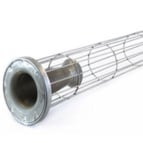
- Baghouse collectors use long fabric filter bags and are often chosen for very high airflow applications, heavier dust loads or certain types of sticky materials.
The right choice depends on your dust characteristics, air volume and available space. Many metalworking applications are well served by cartridge-style metal dust collection systems, especially when you need a smaller footprint and easier filter changeouts. For a deeper comparison of how cartridge collectors differ from baghouses, you can read our guide on baghouse vs. cartridge dust collectors.
Maintenance Expectations
Maintenance is where many dust collection projects succeed or fail. When you evaluate a system, consider:
- How often filters will need to be changed under normal loading.
- How easy it is to access filters and components without special tools or unsafe climbing.
- Whether the pulse-cleaning system is effective at keeping filters clear during operation.
A collector that is easier to service is more likely to be maintained on schedule, which means more stable airflow, cleaner air and fewer surprises for your team. If you want practical help planning your maintenance routine, you can also download our free inspection log & maintenance checklist to stay organized and prepared year-round. Also, for practical, everyday strategies that help reduce dust at the source and improve the performance of your collection system, read our guide on strategies to minimize metalworking dust.
If you are not sure which direction is right for your operation, that is completely normal - there are a lot of variables involved. Request a quote to find the right metal dust collection system for your facility, and our team can help you sort through the details.
Benefits of Our Metalworking Dust Collectors
When you invest in a dust collection system, you want to know it will make a real difference on the floor, not just satisfy a requirement on paper. A.C.T. metalworking dust collectors are designed around results that matter in day-to-day operation:
- Less downtime between filter changes: Our collectors are engineered for high dust-loading capacity, supported by an efficient pulse-cleaning system. That means longer intervals between filter replacements and more consistent airflow for your grinding, cutting and finishing equipment.
- Simpler, faster maintenance: Features such as quick-access filter doors and logical service layouts help your team inspect and change filters without special tools or complicated procedures. Shorter service windows mean less time with the system offline.
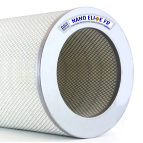
- Cleaner air where your people work: Nano-Elite nanofiber cartridge filters with a MERV 15 rating capture extremely fine metalworking dust, smoke and fume. Independently tested at 99.9% efficiency on fine airborne particulates, they help maintain cleaner air in and around your work areas.
- Faster turnaround from quote to operation: A.C.T. maintains a wide range of standard heavy-duty dust collector sizes, and select models are available for quick ship. From initial conversation to installation, the goal is to get your system up and running without long lead times holding up production.
Every system we build is supported by our experienced team, from helping you select the right collector to making sure it is configured appropriately for your application.
High-Quality Metalworking Dust Collectors
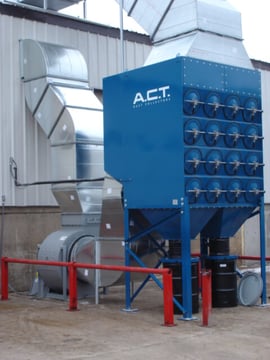
A.C.T. Dust Collectors builds metalworking dust collection systems that withstand tough environments, simplify maintenance and deliver reliable performance shift after shift.
To help you understand what sets our systems apart (and choose the right one for your application), we’ve discussed the expected construction quality, efficiency features, and our full product lineup in one place.
Built for Industrial Environments
Metalworking applications can be demanding. Sparks, abrasive particles, vibration, and heavy dust loads all put stress on your equipment. That is why our industrial metalworking dust collectors are manufactured in the United States using heavy-gauge steel and construction methods that reflect real plant-floor needs.
Our collectors include:
- Formed doors and deep, continuous gaskets help create a rigid structure and a long-lasting cabinet seal.
- Robust blast, prime, and paint processes that protect the system for years under industrial conditions.
- Engineered lifting lugs and pre-punched base plates to make installation safer and more efficient.
This structural approach helps prevent leaks, warping and premature wear - issues that can disrupt production and increase maintenance costs over time.
Designed for Maintenance and Efficiency
A dust collector should make your operation smoother, not add another task to your workload. Every A.C.T. metalworking dust collection system is designed around predictable maintenance, long filter life and consistent airflow.
Key features include:
- Nano-Elite nanofiber cartridge filters (MERV 15) that capture extremely fine metal dust, smoke and fumes while maintaining steady airflow as filters load.
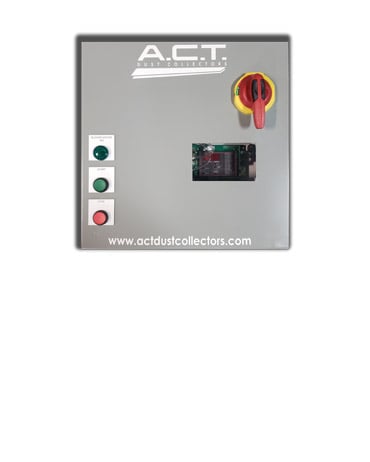
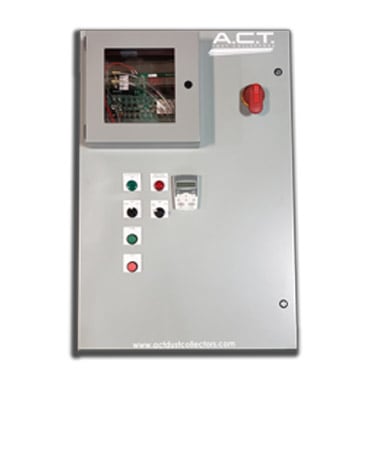
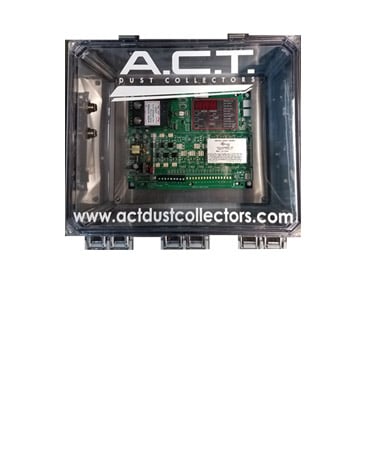
- Venturi-assisted reverse-pulse cleaning, which sends timed, powerful bursts of compressed air through the filter media to dislodge buildup. A digital, solid-state control panel allows you to fine-tune cleaning settings.
- Downward airflow and efficient hopper design, reducing the chance of dust re-entering the filter zone.
- Standard filter sizes to keep replacements accessible and cost-effective.
These details help plant managers and maintenance teams reduce downtime, extend filter life and avoid the airflow fluctuations that cause performance problems.
Metalworking Dust Collectors for Every Application
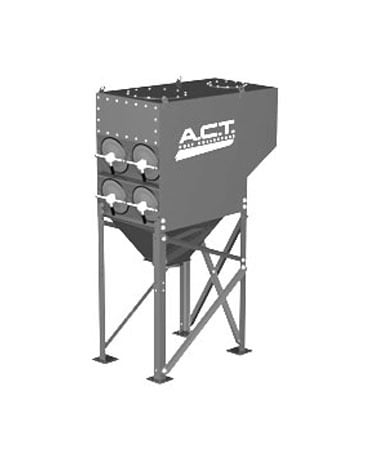
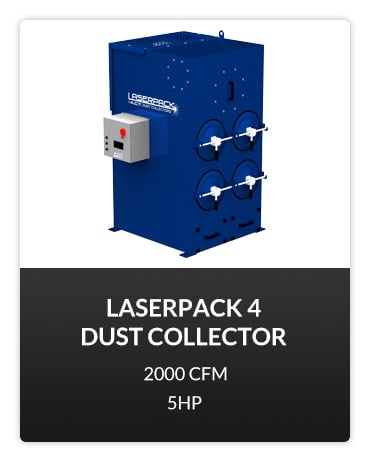
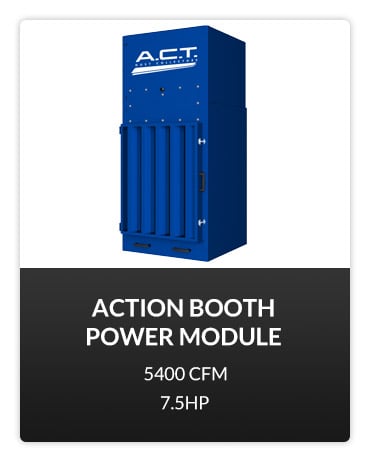
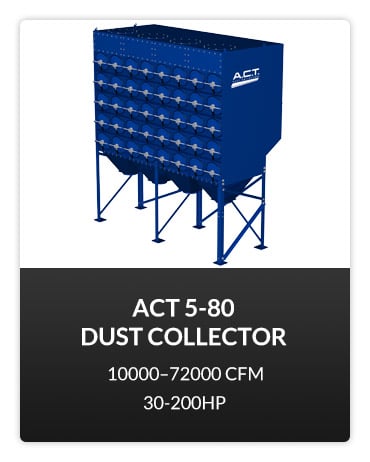
A.C.T. Dust Collectors offers a complete range of solutions for metalworking dust collection, from individual workstations to large manufacturing operations. Whether you need source capture, centralized systems or equipment designed for a specific metalworking process, our lineup provides options that match your airflow, dust load, and facility layout.
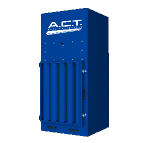
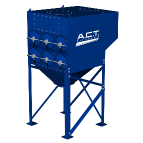
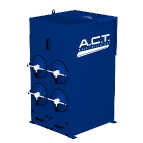
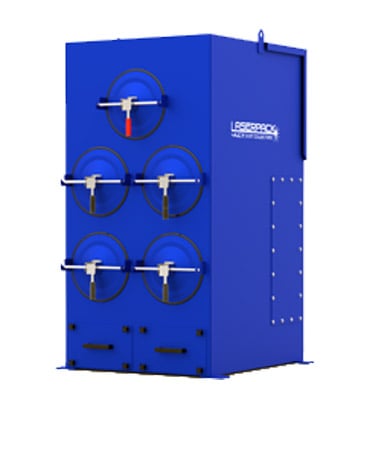
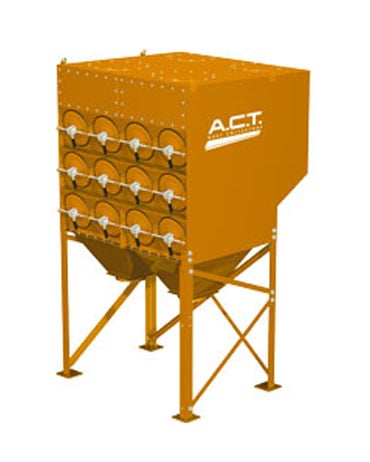
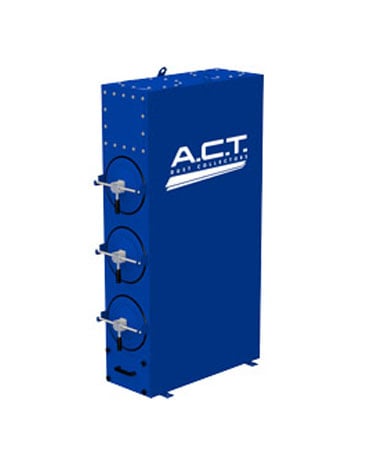
Compact, high-efficiency systems ideal for capturing fine metal dust and fume from grinding, cutting, sanding, and finishing processes.
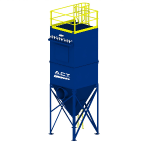
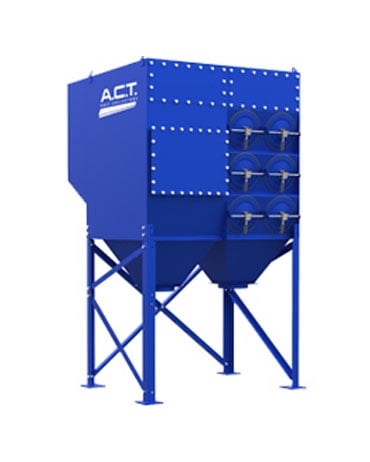
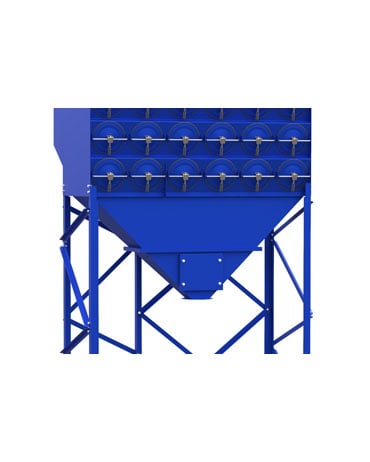
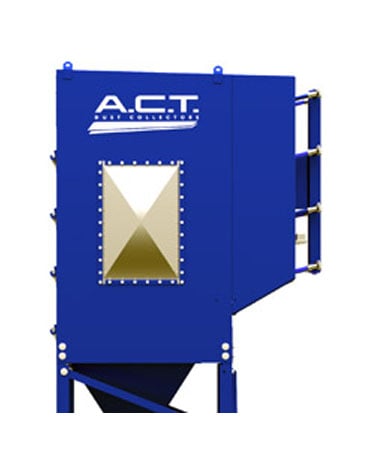
Fabric filter systems designed for higher dust loads, larger air volumes, and certain higher-temperature or more challenging materials.
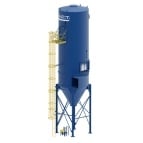
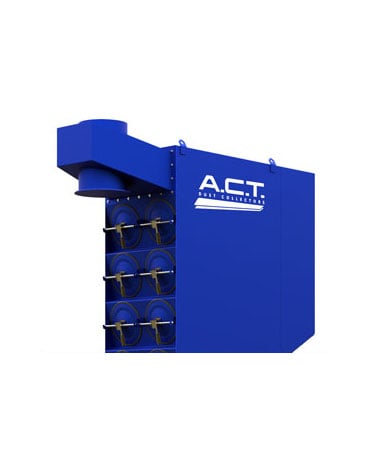
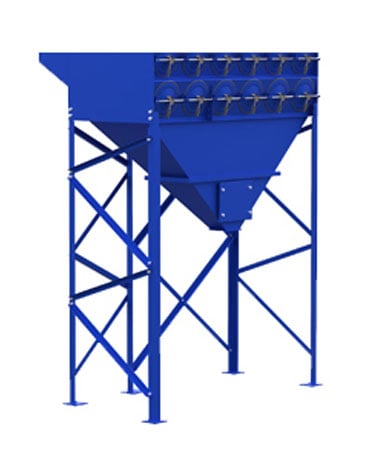
Booth-style systems offering ambient dust control for sanding, blasting or finishing operations where operators move around the workstation.
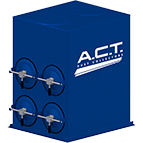
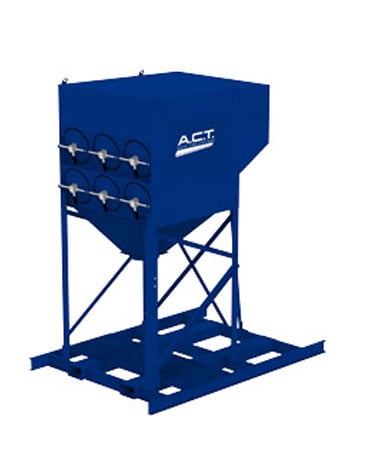
Compact units built to manage welding smoke and fume efficiently.
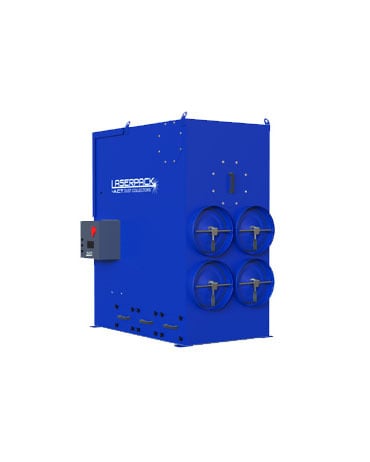
Purpose-built systems designed for laser and plasma cutting applications, paired with cutting tables and properly engineered hoods.
Engineered systems built around your facility layout, airflow needs, and process requirements.
Safety and Compliance Considerations for Metal Dust
Certain metals, such as aluminum, magnesium, titanium, and zirconium, become significantly more hazardous in fine particulate form, especially when dispersed in the air or allowed to accumulate on surfaces.
OSHA highlights combustible dust hazards through multiple workplace safety standards and its Combustible Dust National Emphasis Program, which outlines expectations for identifying, controlling, and maintaining safe dust levels in industrial facilities. NFPA 652 also provides guidance for facilities handling combustible metals, including best practices for dust hazard analysis, explosion protection, and safe system design.
A well-engineered metal dust collection system plays an essential role in supporting these safety efforts by:
- Capturing dust and fumes at the source, reducing worker exposure.
- Limiting dust accumulation on floors, ledges, and equipment- key for fire prevention.
- Creating a controlled collection point where explosion vents, isolation valves or spark control devices can be integrated when required.
While your safety and environmental teams oversee compliance decisions, a properly sized and configured dust collector helps support OSHA and NFPA-related expectations and contributes to a safer work environment overall.
A.C.T. Dust Collectors works with facilities across the U.S. to design systems that align with their processes, safety goals, and long-term operational needs. If you are planning a new installation or upgrading an existing system, our experienced team can review your process, discuss options, and help you select a metalworking dust collector that fits your needs. Request a quote or contact our team today to discuss your dust collection needs.



.svg)



















%20Collectors%20Image.png?width=143&height=143&name=ADC%20(Ambient)%20Collectors%20Image.png)


.jpg?width=270&height=360&name=ACT%202-8%20Wabash%20Environmental%20Pic%20(1).jpg)



.png?width=240&height=91&name=ACT%20Dust%20Collectors%20Logo%20Solid%20White%202020%20(1).png "ACT Dust Collectors Logo Solid White 2020-2")
.png?width=148&height=149&name=usa-manufactured-dust-collectors%20(1).png "United States Flag")