Woodworking Dust Collection FAQs
What type of dust collector is best for woodworking applications?
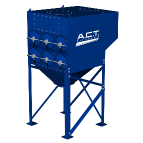
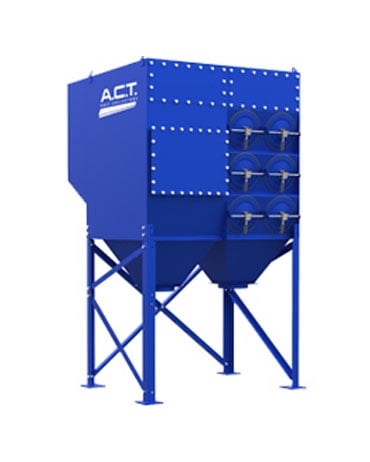
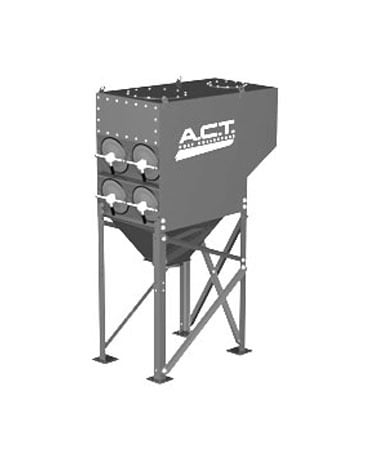
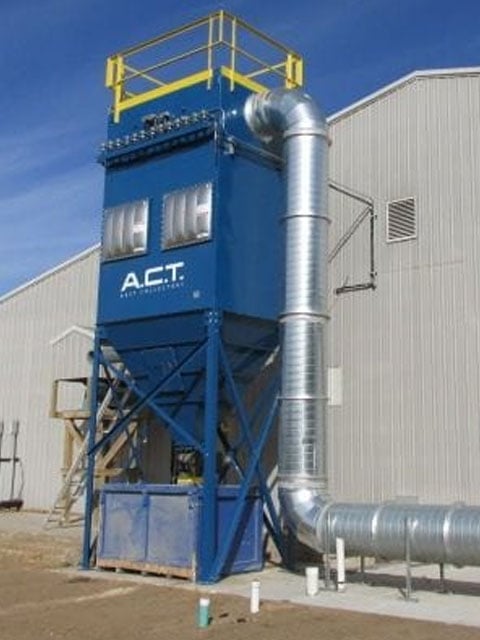
A baghouse dust collector is generally the best fit for industrial woodworking operations, since bag filtration handles the full range of debris these facilities generate, from fine sanding dust to heavier chips and shavings, without frequent clogging. Facilities running multiple machines or higher production volumes benefit most, as baghouse systems scale more easily than smaller cartridge units. Confirm the right size by accounting for machine count, dust volume, and facility layout.
How does a woodworking dust collection system work?
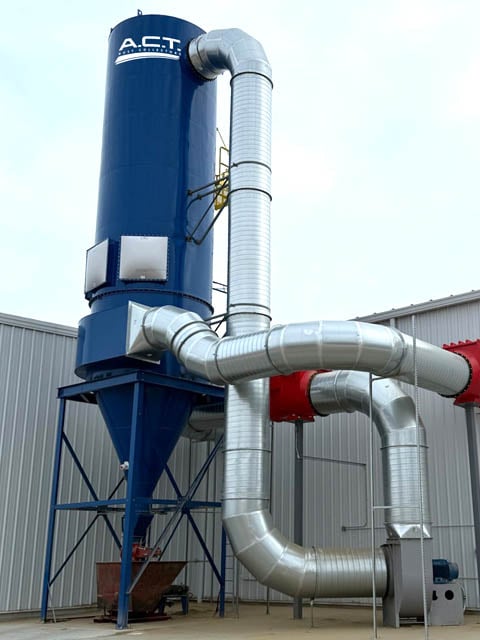
A woodworking dust collection system captures wood dust, sawdust, chips, and shavings at the source before they can spread throughout the facility. Dust-laden air is conveyed through ductwork to a dust collector, where larger chips and heavier particles separate from the airstream before the remaining fine dust is captured by high-efficiency filter bags. Clean air is then exhausted or returned to the facility, while an automatic pulse-jet cleaning system removes accumulated dust from the filters to maintain consistent airflow and extend filter life.
Is wood dust combustible, and what safety concerns apply?
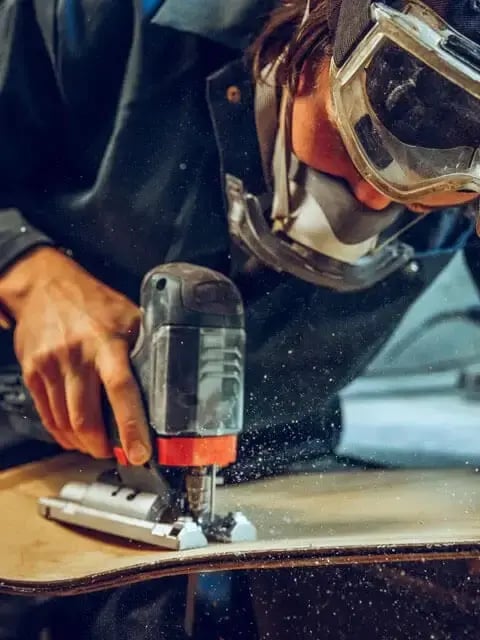
Yes, wood dust is combustible and can create fire and explosion hazards when fine dust is allowed to accumulate. Fine sanding dust presents a greater combustible dust risk than larger chips or shavings because smaller particles remain airborne longer and ignite more easily. A properly designed dust collection system captures wood dust at the source, reducing dust accumulation on equipment and building surfaces while supporting OSHA requirements and applicable NFPA combustible dust standards.
Where should wood dust be captured in a woodworking shop?
Wood dust should be captured as close to the source as possible before it becomes airborne. The most effective dust collection systems use hoods or pickup points at equipment such as table saws, CNC routers, planers, jointers, sanders, and molders to capture dust and chips during production. Proper source capture improves collection efficiency, reduces dust accumulation throughout the facility, and helps maintain cleaner equipment, better air quality, and a safer working environment.
What airflow is needed for woodworking dust collection?
The airflow required for woodworking dust collection depends on the type of equipment, the size of the ductwork, and the amount of dust and chips being conveyed. Every machine has a recommended airflow requirement, typically measured in cubic feet per minute (CFM), to effectively capture and transport wood dust without allowing material to settle in the ductwork. A properly designed system balances airflow, static pressure, and duct sizing to maintain collection performance across all connected woodworking equipment, especially when multiple machines operate at the same time.



.svg)



















%20Collectors%20Image.png?width=143&height=143&name=ADC%20(Ambient)%20Collectors%20Image.png)






.png?width=240&height=91&name=ACT%20Dust%20Collectors%20Logo%20Solid%20White%202020%20(1).png "ACT Dust Collectors Logo Solid White 2020-2")
.png?width=148&height=149&name=usa-manufactured-dust-collectors%20(1).png "United States Flag")