



.svg)


















%20Collectors%20Image.png?width=143&height=143&name=ADC%20(Ambient)%20Collectors%20Image.png)


Static pressure in a dust collector is the resistance air encounters as it moves through ductwork, filters, and system components. It is typically measured in inches of water column, and it is one of the more important numbers to understand when you are evaluating or maintaining an industrial dust collection system.
If static pressure is too high, airflow drops, capture at the hood weakens, filters load faster, and the blower motor has to work harder. Over time, that shows up as higher energy consumption, shorter filter life, and more frequent maintenance.
In this post, we will explain what static pressure means in day-to-day dust collection, how it is measured, how it affects system performance, and how to use it when you are evaluating or troubleshooting a system.
Static Pressure Explained
The simplest way to think about understanding static pressure is this: it is the pushback that air experiences when something gets in its way.
When air moves freely through a wide, straight duct with no obstructions, resistance is low. The moment you add bends, filters, transitions, or longer duct runs, the air has to push harder to keep moving. That extra effort shows up as static pressure.
Think of it like breathing through a straw versus breathing through a wide tube. The straw creates resistance. Your lungs have to work harder. The air still moves, but it takes more effort to get it there. A dust collection system works the same way. The blower is the “lungs,” and everything between the pickup hood and the exhaust is the straw.
Static Pressure vs. Related Terms
People often mix up static pressure with other measurements. Here is a quick way to separate them:
Static pressure vs. airflow (CFM): CFM is how much air you are moving. Static pressure is how hard the system is making the fan work to move it. Higher resistance usually means lower delivered CFM for a given fan.
Static pressure vs. differential pressure: Differential pressure is the pressure difference between two points, most commonly measured across the filters to show filter resistance and loading. It is a practical daily health check for your dust collector.
Static pressure vs. velocity pressure (dynamic pressure): Velocity pressure, also called dynamic pressure, relates to air movement speed. Total pressure in a system is often described as static plus dynamic, which helps explain why airflow changes when resistance changes.
Key takeaway: Static pressure is about resistance in the system, while differential pressure is the practical tool most teams use to track filter loading and cleaning performance day to day.
How Static Pressure Relates to Dust Collection
In plain terms, static pressure tells you how much resistance your fan has to overcome to pull dust-laden air from the source, move it through the duct, and push it through the collector and filters. In dust collection, this resistance is expressed in inches of water column (in. w.c.), which is the standard unit for low-pressure air pressure measurements in duct systems.
Every component the air passes through contributes to the total static pressure load the blower must overcome. Some of the most common contributors include:
- Elbows and transitions: Every bend in the duct creates turbulence and resistance. The sharper the bend, the more it adds to your total.
- Duct length: Longer duct runs mean more surface area for friction to build. This is especially relevant in large facilities where the collector sits some distance from the source.
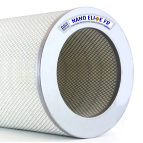
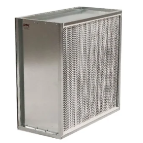
- Filters, clean and dirty: Even a clean filter creates some resistance as air passes through the media. A dirty or loaded filter creates considerably more, which is one reason filter condition matters so much to system performance.
- Hood design and entry points: Poorly designed capture hoods can introduce turbulence that raises resistance right from the start of the airflow path.
- Collector internals: The tube sheet and other internal surfaces through which the air passes inside the housing also add to the total resistance.
Reducing friction wherever possible during system design keeps the total static pressure load manageable, which lets the blower move the right volume of air without being pushed beyond its rated capacity.
How Static Pressure is Measured
Understanding how static pressure is measured in a dust collector comes down to three things:
1. Inches of Water Column (in. w.c.)
Dust collection pressures are relatively small compared to something like compressed air, so the industry uses inches of water column (in. w.c., also written as in H₂O or WC) to measure these low pressure differences. One inch of water column is simply the pressure needed to push a column of water up by one inch, which makes it a practical and precise unit for the low-pressure ranges dust collectors typically operate in. You will see this unit on fan curves, equipment specs, and pressure measurements across the board.
2. Differential Pressure
Differential pressure is the pressure difference measured between two points in the system, most commonly across the filter assembly. It compares the air pressure on the dirty side of the filters to the pressure on the clean side. That difference tells you how much resistance the filters are currently creating. A low, steady reading means filters are in good shape. A reading that keeps climbing, even after a cleaning cycle, is a signal worth investigating.
3. Magnehelic Gauges
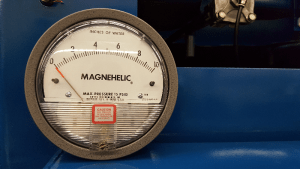
Most dust collectors are equipped with a Magnehelic gauge, which is a type of differential pressure gauge. It connects to two taps on either side of the filter section and displays the pressure difference on a simple analog dial.
Some systems use a photohelic gauge instead, which does everything a Magnehelic does but also triggers automatic cleaning cycles based on the pressure reading. Either way, the gauge gives you a real-time window into what is happening inside your collector without having to open anything up.
What Rising Pressure Readings are Telling You
A pressure sensor reading that trends upward over time is one of the most useful signals your dust collection system can give you. It is rarely just a number. Depending on how fast it rises and when, rising differential pressure typically means one or more of the following:
- Filters are loading faster than expected, due to a process change, higher dust volume, or finer particulate than the system was designed for.
- The pulse-cleaning cycle is not keeping up, either because the cleaning interval is too long, the pulse pressure is insufficient, or the diaphragm valves need attention.
- Airflow through the system has changed, sometimes due to modifications elsewhere in the duct layout.
- Something is restricting flow upstream or downstream of the collector.
How Static Pressure Affects System Performance
Static pressure is a direct indicator of how hard your system is making the fan work to move air. The effects on your dust collector depend on whether it is running too high, too low, or within the range your system was designed for.
When Static Pressure is Too High
When static pressure climbs beyond what the system was designed for, the consequences ripple through the whole operation. The blower motor works harder to maintain airflow against the increased resistance. In some cases, it cannot fully compensate, and actual CFM drops below what is needed for effective dust capture at the source. Dust that should be collected ends up staying in the air or settling on nearby equipment and surfaces.
Higher pressure loads also accelerate wear on motor and drive components, which increases the likelihood of unplanned downtime. And because the system is pulling harder, energy consumption rises without any corresponding improvement in collection performance. You are, in effect, paying more to do less. Filter life also tends to shorten, since filters under sustained high resistance load unevenly and reach their service limit sooner.
When Static Pressure is Too Low
A system operating at pressure levels lower than expected can be just as problematic, though it is easier to overlook.
Unusually low static pressure is often a signal that something is wrong rather than a sign that the system is running efficiently. It can indicate that a filter has been damaged, a seal has failed, or a duct section has come loose, all of which allow air to bypass the filtration media entirely. When that happens, unfiltered air can recirculate into the facility, and the system appears to be running fine while actually doing very little.
Why Measuring Static Pressure at the Right Level Matters
When a dust collection system operates within its designed pressure range, everything tends to run as expected. That balance is not something you can set once and forget. Regular pressure monitoring gives you an early warning before small issues become larger ones. Here is what steady, stable static pressure looks like in practice:
- Airflow stays consistent at the capture hood, so dust and fumes are pulled in the way the system was designed to handle them.
- The blower runs at a sustainable load, reducing wear on the motor and drive components over time.
- Filters last their intended service life, because they are not being over-stressed by excessive resistance or loaded unevenly.
- A steadily rising differential pressure reading across the filters usually points to filter loading or a pulse-cleaning issue well before capture performance drops noticeably.
- A sudden change in either direction is worth investigating the same day, as it often signals a process change, a restriction, or an equipment issue developing in the system.
The goal is not just to know what the gauge says, but to understand what the trend is telling you about how your system is actually performing.
Choosing the Right Dust Collector Based on Static Pressure
Selecting the right dust collection system means more than matching a unit to your square footage or the number of workstations you need to serve. Static pressure has to be part of the conversation. Here is the practical way to think through it:
Match the Fan Curve to Total System Pressure
Fans are rated to deliver a target airflow (CFM) at a given static pressure.
If your real system static pressure ends up higher than expected, the fan will deliver less airflow than the rating point. This is not a hypothetical concern. It is one of the most common reasons a new system underperforms from day one. When reviewing fan specs, look at the full fan curve, not just the nameplate CFM, and make sure the design static pressure accounts for your complete duct layout, hood geometry, and filters.
Design Ductwork to Minimize Unnecessary Resistance
Duct design choices have a direct effect on total static pressure and real-world performance. Long runs, too many elbows, poor transitions, undersized sections, and excessive use of flex hose all add friction losses that the blower has to work against. Minimizing sharp bends, using gradual transitions, and keeping runs as short as practical are some of the most straightforward ways to reduce your system’s total static pressure load before the equipment is even selected.
Plan for Filter Loading Over Time
A system that looks well-balanced on day one can behave very differently after filters begin loading. The design should anticipate realistic filter resistance, account for how effective your pulse-cleaning cycle is over time, and factor in the actual dust characteristics of your process. Finer or stickier dusts load filters faster and can raise differential pressure more quickly than coarser materials. If filter loading was not built into the design assumptions, the system will tell you about it through rising gauge readings and declining capture performance.
Let’s Talk About Your Dust Collection System
Airflow, static pressure, filter resistance, and duct design all work together. Our team can help you evaluate your specific facility, process, and layout to make sure the system you choose performs the way it should from day one. Talk to our team about designing a system that balances airflow and static pressure for your facility, or explore our dust collection systems to see what we offer.
Frequently Asked Questions
What is normal static pressure for a dust collector?
Normal static pressure depends on your duct layout, hood design, and collector type, so there is no single universal number. As a practical reference point, many facilities monitor differential pressure across the filters rather than total system static pressure.
For baghouse-style collectors, a filter pressure drop in the range of 3 to 6 inches of water column is often cited as a typical operating range, though actual values will vary depending on your design and process. Your equipment documentation and original system design specs are the best place to find the right baseline for your specific setup.
How do dirty filters affect static pressure?
Dirty filters increase resistance, which raises pressure readings and can reduce airflow at the hood. In a dust collector, this shows up as a higher differential pressure reading across the filters. If the reading keeps climbing even after a pulse-cleaning cycle runs, it is usually a signal worth investigating. It could mean the filters are due for replacement, the cleaning cycle is not performing as expected, or the dust loading in the process has changed.
Is static pressure the same as airflow?
No. Airflow, expressed in CFM, is the amount of air moving through the system. Static pressure is the resistance that air is pushing against as it moves. The two are related because a blower’s ability to deliver a given CFM depends on the static pressure it is working against. As resistance rises, delivered airflow typically falls for a given fan. Understanding both together gives you a more complete picture of how your system is performing.
How often should static pressure be checked?
In most facilities, pressure readings should be checked during routine walkthroughs, daily or weekly, depending on how critical the process is. The trend matters as much as the number itself. A reading that has been gradually rising over several weeks usually points to developing filter loading or a restriction somewhere in the system. At minimum, check static pressure any time you change filters, notice a drop in capture performance, or hear a change in how the blower sounds under load.
.png?width=240&height=91&name=ACT%20Dust%20Collectors%20Logo%20Solid%20White%202020%20(1).png "ACT Dust Collectors Logo Solid White 2020-2")
.png?width=148&height=149&name=usa-manufactured-dust-collectors%20(1).png "United States Flag")