



.svg)



















%20Collectors%20Image.png?width=143&height=143&name=ADC%20(Ambient)%20Collectors%20Image.png)
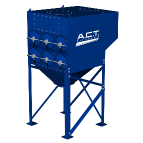
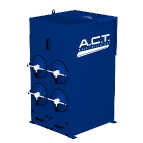

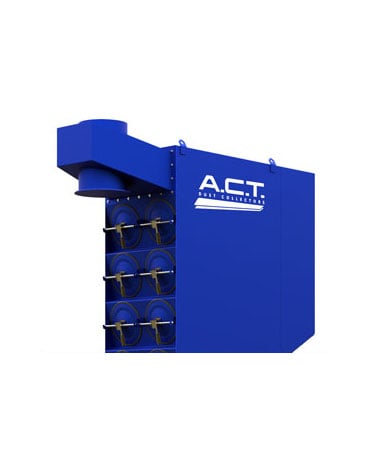
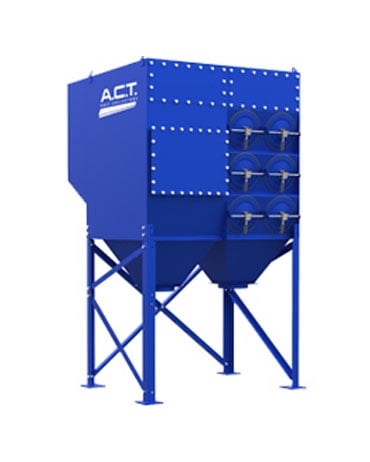
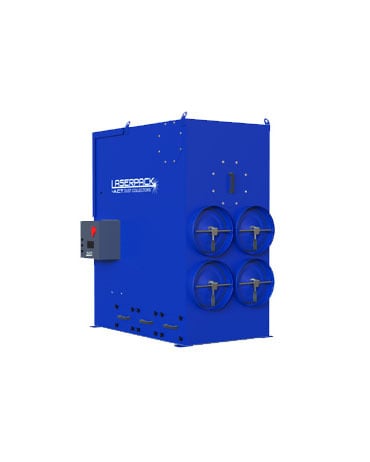
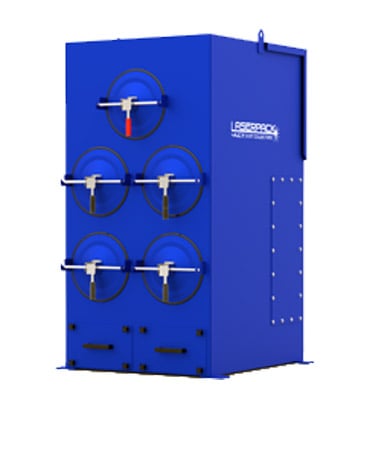
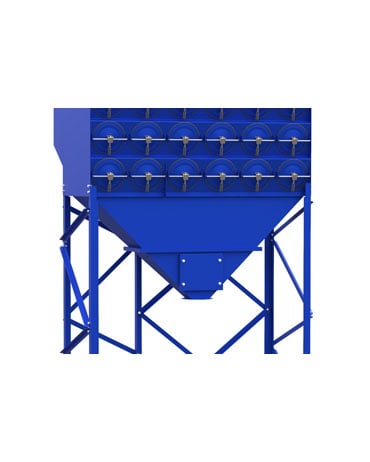
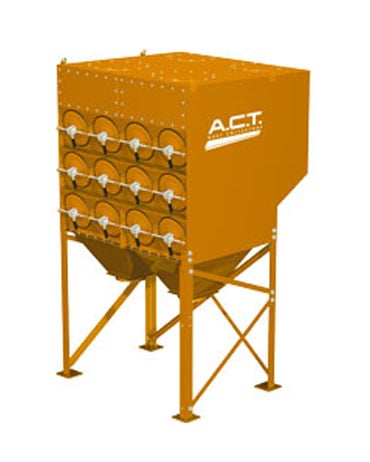
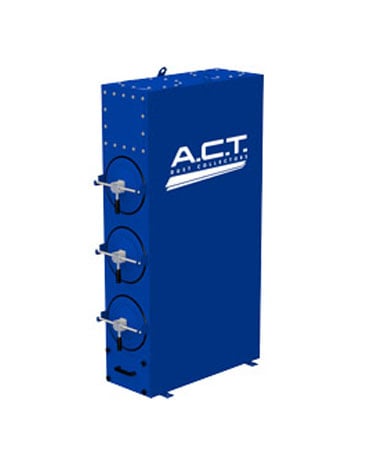
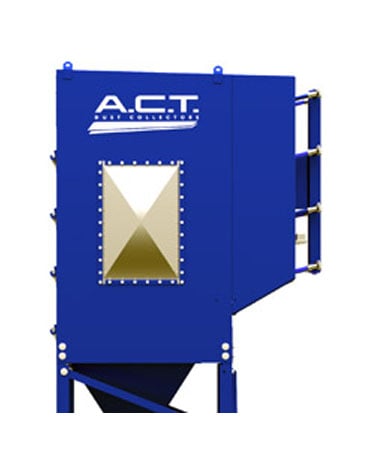
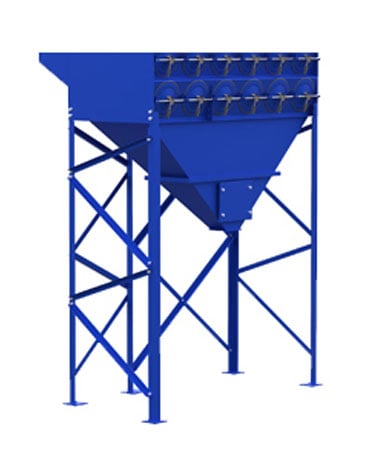
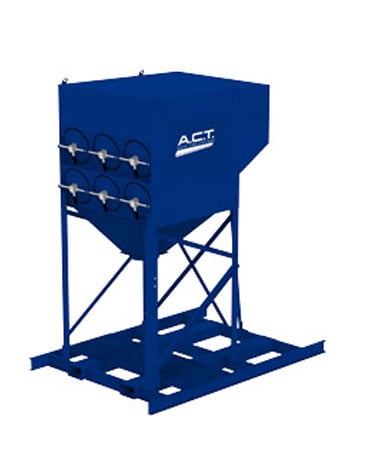
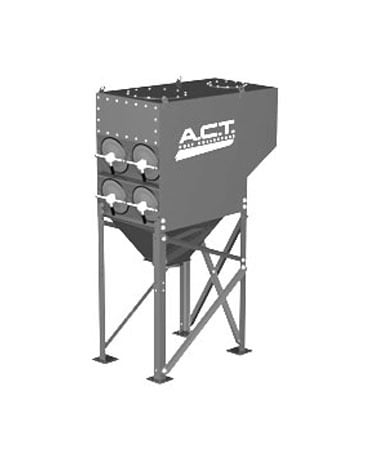
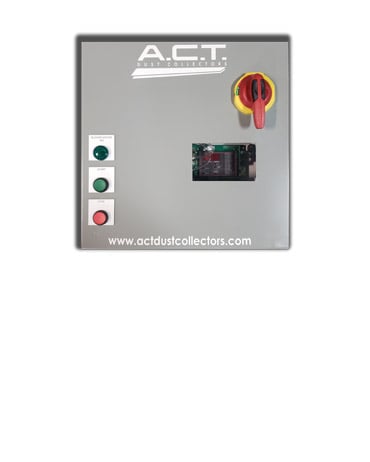
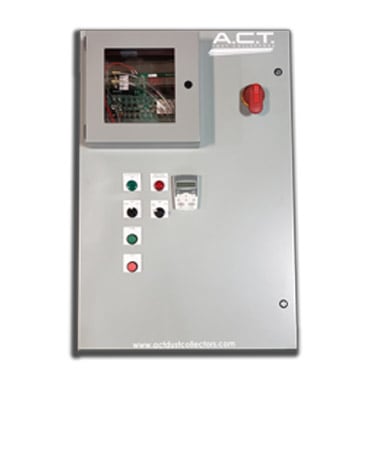

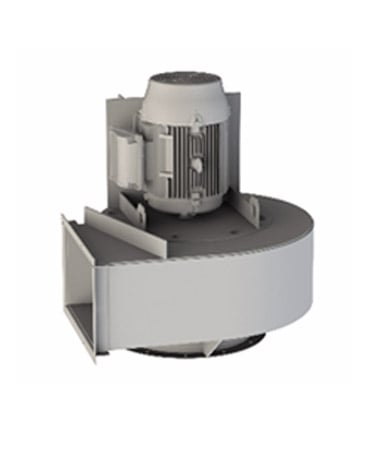

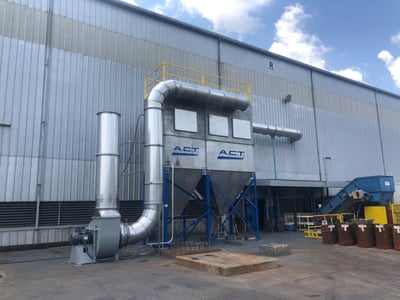
A manufacturer of specialty alloys for the aerospace, medical, and electronics industries needed to replace a severely corroded dust collection system. Moisture from its titanium cutting process was causing ongoing corrosion issues that threatened system reliability and longevity.
A.C.T. Dust Collectors designed a long-term solution using corrosion-resistant materials and a properly sized baghouse system to support current production and future growth.
Project Snapshot
Industry: Specialty alloy manufacturing
Application: Titanium cutting dust collection
Location: South Carolina
Challenge: Corrosion caused by moisture exposure
Dust Type: Metal particulate from titanium cutting
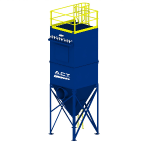
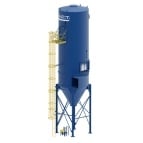
System Installed: ACT TLM 198-10 stainless steel baghouse
Outcome: Improved durability and long-term system reliability
The Challenge: Corrosion in a Dust Collection System
The manufacturer used large abrasive saws to cut titanium and other specialty alloys. To prevent blade overheating, water was applied during the cutting process. Over time, moisture entering the dust collection system caused significant corrosion of the existing carbon steel collector.
Titanium cutting is a machining process that uses heavy-duty saws or cutting equipment to shape titanium alloys into specific dimensions. These operations generate metal particulates and often require coolant or water to manage cutting temperatures.
In this operation:
- Water was used to cool cutting blades
- Moisture entered the dust collection system
- Carbon steel components experienced severe corrosion
- The existing collector was nearing the end of its useful life
- Production expansion required additional collection capacity
Moisture can accelerate corrosion and negatively impact filter performance, especially in applications where wet particulate or coolant mist is present.
The customer needed a dust collection system designed specifically for moisture-prone environments.
The Solution: Stainless Steel Baghouse Dust Collector
After evaluating the application, A.C.T. Dust Collectors recommended a stainless steel baghouse system designed to withstand corrosive conditions.
The system included:
- ACT TLM 198-10 baghouse dust collector
- Stainless steel construction
- Increased capacity for future production growth
- Filtration designed for hot, larger particulate
The system was selected for its:
- Resistance to corrosion caused by moisture exposure
- Ability to handle larger metal particulate
- Suitability for elevated process temperatures
- Long-term durability in demanding industrial environments
Stainless steel construction provided a proven solution for applications where moisture and corrosion are ongoing concerns.
Why a Baghouse Was the Best Choice
The existing collector was already operating as a baghouse system, but A.C.T. wanted to verify that it remained the best fit for the application.
Several factors were evaluated:
- Dust particle size
- Dust loading characteristics
- Process temperature
- Future production requirements
Baghouse systems are often preferred when:
- Dust particles are larger and heavier
- Dust loading is high
- Process temperatures exceed cartridge filter limitations
- Long-term durability is a priority
Because the titanium cutting operation generated larger, hotter particulates, a baghouse collector was determined to be the most effective solution.
Installation & Performance
Following engineering review and sizing calculations, the new system was installed less than four months after the customer initiated the project.
Outcomes:
- Eliminated recurring corrosion concerns
- Improved system lifespan and reliability
- Increased dust collection capacity
- Supported future production expansion
- Maintained effective filtration performance
The upgraded system provided a long-term solution that addressed both current operational needs and anticipated growth.
Dust Collection for Metal Cutting Applications
Metal cutting operations require dust collection systems that can:
- Handle hot metal particulate
- Manage moisture exposure from coolants and water sprays
- Resist corrosion in demanding environments
- Support continuous industrial production
- Maintain reliable airflow and filtration performance
Selecting the proper collector design and construction materials is critical for maximizing equipment lifespan and minimizing maintenance costs.
Work with A.C.T. Dust Collectors
If your facility experiences corrosion issues, moisture challenges, or demanding metal cutting applications, A.C.T. Dust Collectors can design a solution tailored to your process. Contact our team to discuss the right dust collection system for your operation.
Frequently Asked Questions
What is a titanium cutting dust collection system?
A titanium cutting dust collection system is designed to capture and filter metal particulate generated during titanium sawing, cutting, and machining operations. These systems help maintain air quality, reduce dust accumulation, and support safe manufacturing environments.
Proper dust collection also helps protect equipment and improve overall production cleanliness.
Why does moisture cause corrosion in dust collectors? 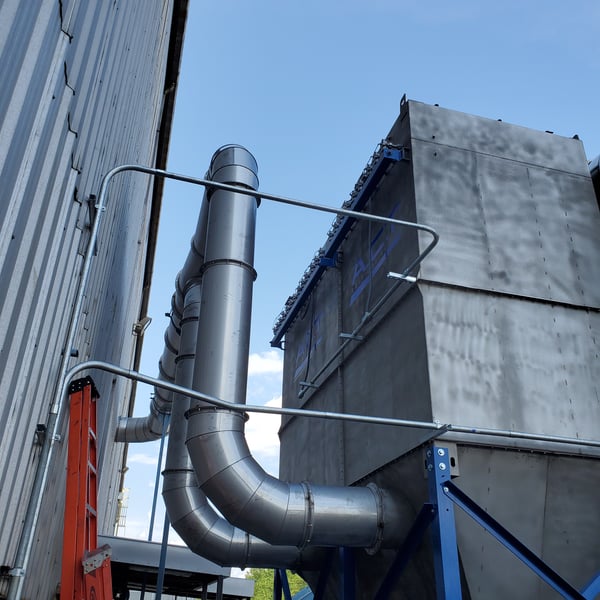
Moisture causes corrosion in dust collectors because water can react with carbon steel surfaces over time, leading to rust and material deterioration. Applications that use coolant sprays, water-based cutting processes, or generate condensation are especially vulnerable.
Common sources of moisture include:
- Coolant systems
- Water-cooled cutting processes
- Mist-producing operations
- Humid operating environments
- Temperature-related condensation
Using corrosion-resistant materials can help extend equipment life in these applications.
Why use stainless steel for a dust collection system?
Stainless steel is used for dust collection systems because it offers superior resistance to corrosion compared to carbon steel. This makes it a preferred material for applications involving moisture, chemicals, food processing, pharmaceuticals, and wet particulate.
Benefits of stainless steel construction include:
- Improved corrosion resistance
- Longer equipment lifespan
- Reduced maintenance requirements
- Better performance in wet environments
- Enhanced durability
Why choose a baghouse instead of a cartridge dust collector?
A baghouse dust collector is often chosen instead of a cartridge collector when an application generates larger particulate, higher dust loads, or elevated temperatures. Baghouse systems are designed to handle demanding industrial environments where durability is important.
Factors that often favor baghouse systems include:
- Larger dust particles
- Heavy dust loading
- Higher operating temperatures
- Continuous operation requirements
- Industrial process applications
Learn more about the differences between a baghouse and a cartridge dust collector.
How do you select the right dust collector for a metal cutting operation?
Selecting the right dust collector for a metal cutting operation involves evaluating the dust characteristics, process temperature, moisture exposure, and airflow requirements. Engineers also consider future production growth and maintenance expectations.
Key selection criteria include:
- Type of metal being cut
- Particle size and dust loading
- Presence of water or coolant
- Airflow requirements (CFM)
- Corrosion resistance needs
- Expansion plans and future capacity
Proper system selection helps improve reliability, reduce maintenance costs, and maximize equipment lifespan.

.png?width=240&height=91&name=ACT%20Dust%20Collectors%20Logo%20Solid%20White%202020%20(1).png "ACT Dust Collectors Logo Solid White 2020-2")
.png?width=148&height=149&name=usa-manufactured-dust-collectors%20(1).png "United States Flag")