



.svg)
















%20Collectors%20Image.png?width=143&height=143&name=ADC%20(Ambient)%20Collectors%20Image.png)
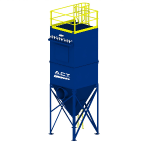
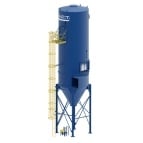
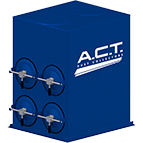
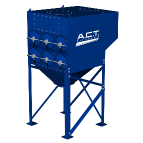
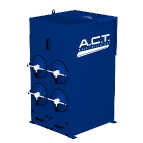

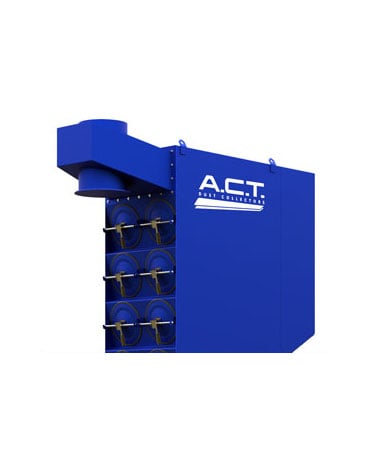
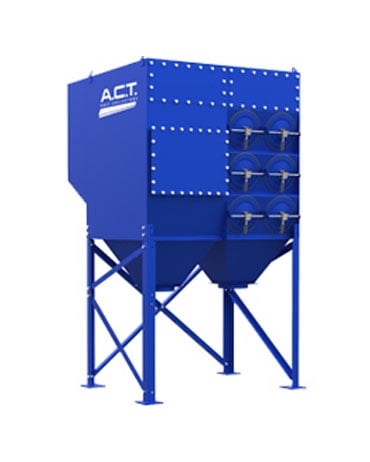
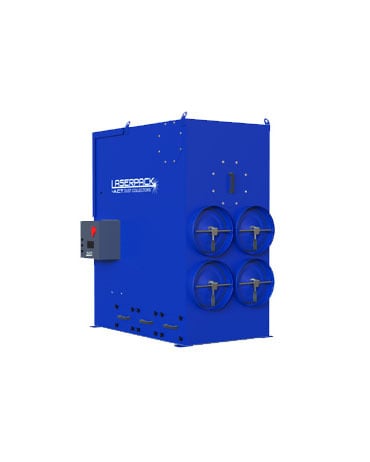
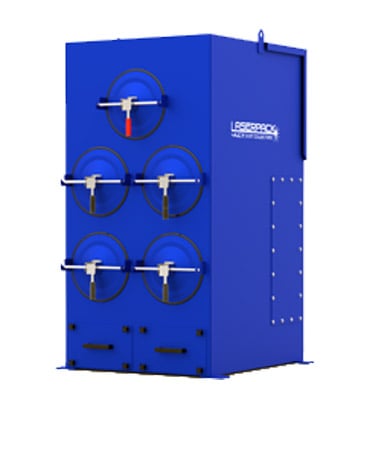
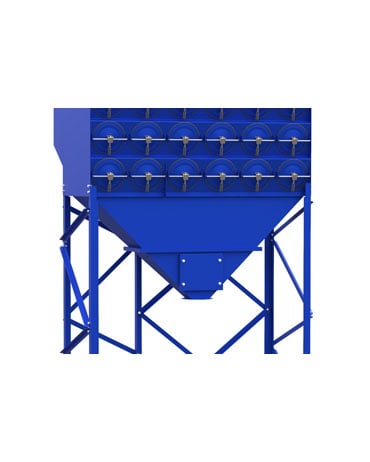
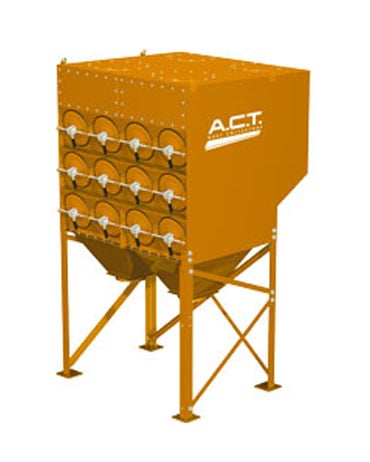
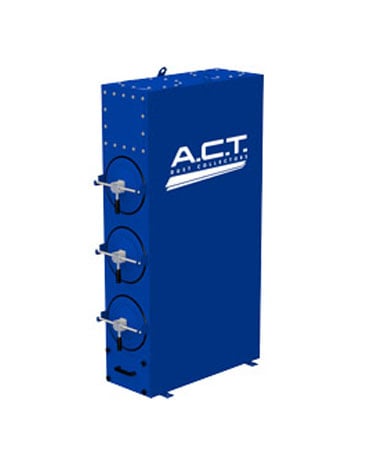
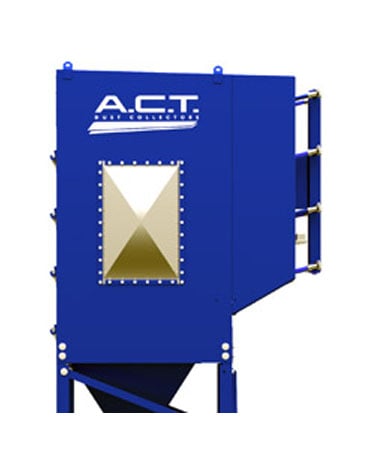
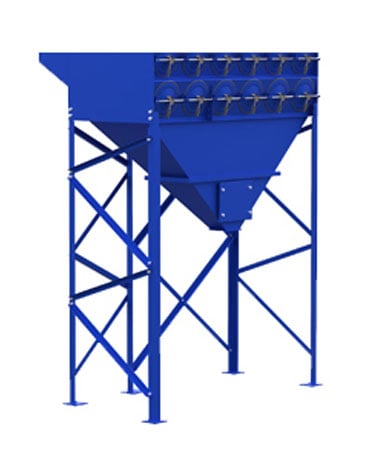
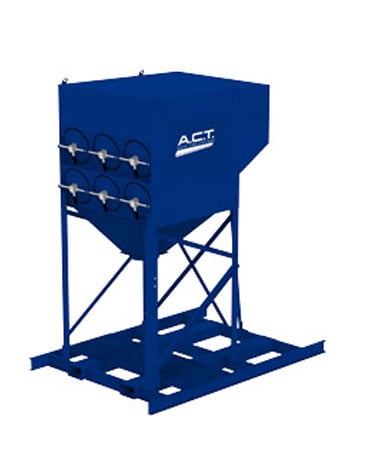
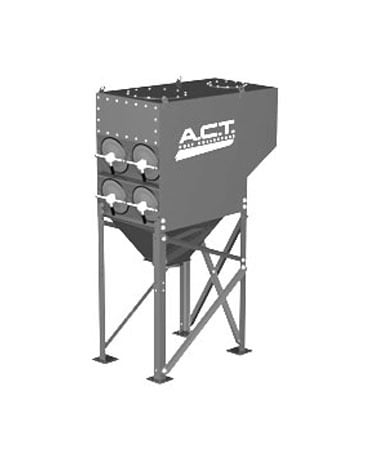
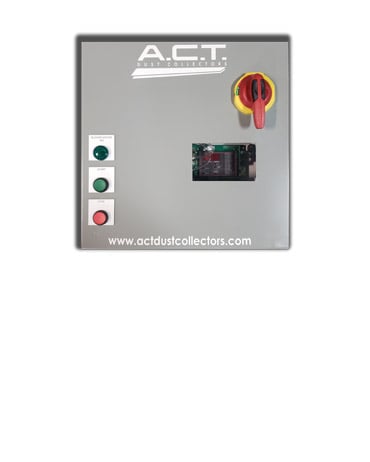
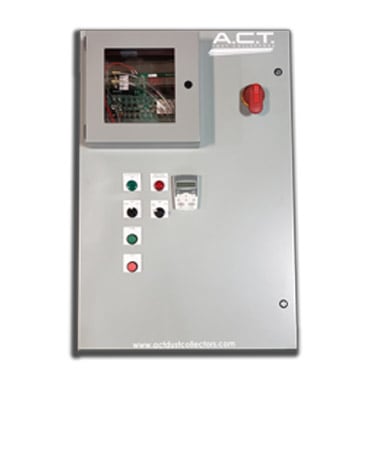
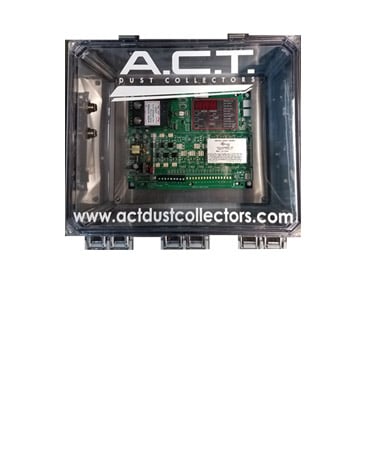
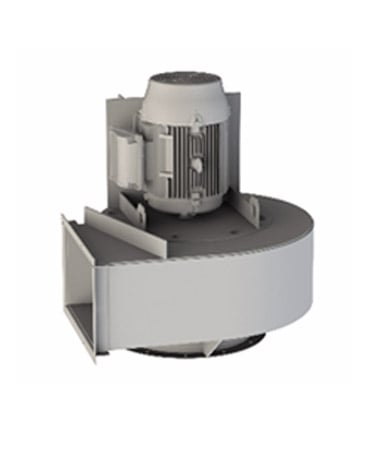

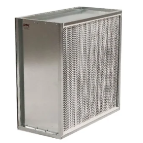
A university technology center needed a dust collection system for an enclosed laser cutting application located near classrooms and high-traffic areas. The project required a solution that could provide effective filtration while fitting within a compact space and minimizing noise.
A.C.T. Dust Collectors developed a specialized laser cutting dust collection system designed specifically for safety, quiet operation, and space efficiency.
Project Snapshot
Industry: Education / technical training
Application: Laser cutting dust and fume collection
Location: University technology center
Challenge: Compact space, noise control, and fire prevention
Dust Type: Laser cutting smoke, fumes, and fine particulate
System Installed: A.C.T. LaserPack dust collection system
Outcome: Safe, compact, and quiet filtration solution
The Challenge: Laser Cutting Near Classrooms
The university operated an enclosed laser cutting system in a compact area near classrooms and other occupied spaces. Proper dust and fume collection was critical to maintain safe air quality and protect sensitive laser equipment.
Laser cutting generates smoke, fine particulate, and fumes as materials are heated and vaporized by a concentrated laser beam. Without proper filtration, these contaminants can spread into surrounding spaces and accumulate inside equipment.
In this operation:
- The laser cutting area had limited installation space
- Noise control was important due to nearby classrooms
- Fire prevention and spark control were high priorities
- The system needed to be installed quickly
The customer needed a compact dust collection solution that could address safety, sound, and maintenance concerns without disrupting the learning environment.
The Solution: LaserPack Compact Dust Collection System
After evaluating the application, A.C.T. Dust Collectors designed the LaserPack dust collection system specifically for compact laser cutting environments.
The system included:
- Integrated spark trap
- Remote start controls
- Blower noise attenuation box
- Fully integrated compact design
The system was selected for its:
- Compact footprint for tight spaces
- Quiet operation near occupied areas
- Built-in spark and fire prevention features
- Simplified installation and maintenance
The LaserPack system was developed to provide a complete laser cutting filtration solution while minimizing space requirements and operational disruption.
Installation & Performance
The LaserPack system was installed near the enclosed laser cutting equipment within the university tech center.
Outcomes:
- Effective capture of laser cutting smoke and fumes
- Reduced noise levels near classrooms
- Improved fire and spark safety
- Efficient use of limited installation space
The compact integrated design allowed the facility to maintain clean air and safe operation without requiring a large industrial dust collection footprint.
Dust Collection for Laser Cutting Applications in Educational Environments
Laser cutting applications in schools and training facilities require dust collection systems that can:
- Capture fine particulate and fumes effectively
- Operate quietly near classrooms and occupied spaces
- Fit within compact educational environments
- Provide spark control and fire prevention features
Compact cartridge systems with integrated controls are often ideal for educational laser cutting applications because they simplify installation and reduce operational complexity.
Proper filtration helps improve safety, protect equipment, and maintain a cleaner learning environment.
Work with A.C.T. Dust Collectors
If your facility needs a compact dust collection system for laser cutting or educational applications, A.C.T. Dust Collectors can design a solution tailored to your space and airflow requirements. Talk to our team to find the right system for your facility.
Frequently Asked Questions
What is a compact laser cutting dust collection system?
A compact laser cutting dust collection system is designed to capture and filter smoke, fumes, and fine particulate generated during laser cutting while fitting into limited spaces. These systems combine filtration, airflow control, and safety features into a smaller footprint.
Compact systems are commonly used in educational facilities, laboratories, and manufacturing spaces where floor space is limited.
Why is noise control important in laser cutting environments?
Noise control is important in laser cutting environments because dust collection systems are often installed near classrooms, offices, or occupied workspaces. Excessive blower or airflow noise can disrupt communication and reduce comfort within the facility. Systems with noise attenuation features help maintain quieter operation while still providing effective filtration performance.
How do spark traps work in laser cutting dust collectors?
Spark traps in laser cutting dust collectors are designed to capture or isolate sparks before they reach the filter media. Laser cutting processes can generate hot particulate that may increase the risk of filter damage or fire if not controlled properly.
Integrated spark control features help improve system safety and support reliable long-term operation.
Why are integrated dust collection systems beneficial for laser cutting applications?
Integrated dust collection systems are beneficial for laser cutting applications because they combine filtration components, controls, and safety features into a single compact unit. This simplifies installation, reduces system complexity, and minimizes space requirements.
Integrated systems are especially useful in facilities where equipment must fit within tight layouts or shared environments.
How do you design a dust collection system for educational environments?
Designing a dust collection system for educational environments involves balancing airflow performance, safety, noise levels, and space limitations. Engineers evaluate how equipment will be used while ensuring the system supports a clean and comfortable learning environment.
Key design considerations often include:
- Noise reduction requirements
- Available installation space
- Fire and spark safety features
- Airflow and filtration performance
- Ease of maintenance and operation
Proper system design helps maintain air quality while minimizing disruption within classrooms and shared spaces.
.png?width=240&height=91&name=ACT%20Dust%20Collectors%20Logo%20Solid%20White%202020%20(1).png "ACT Dust Collectors Logo Solid White 2020-2")
.png?width=148&height=149&name=usa-manufactured-dust-collectors%20(1).png "United States Flag")