



.svg)



















%20Collectors%20Image.png?width=143&height=143&name=ADC%20(Ambient)%20Collectors%20Image.png)
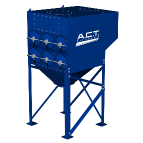
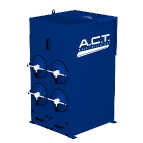

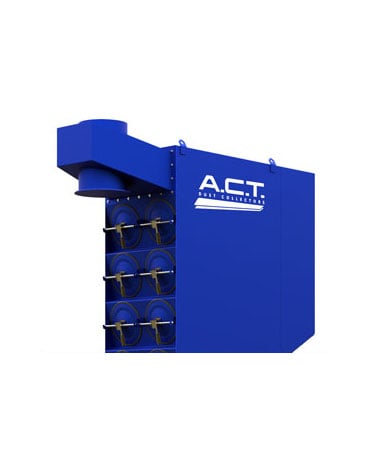
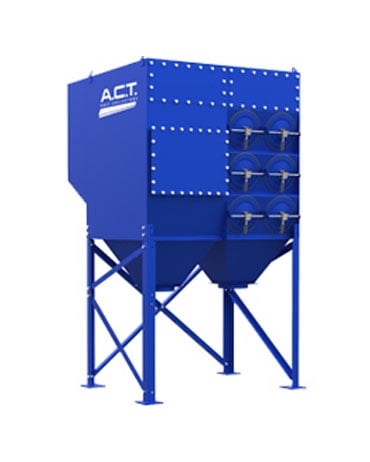
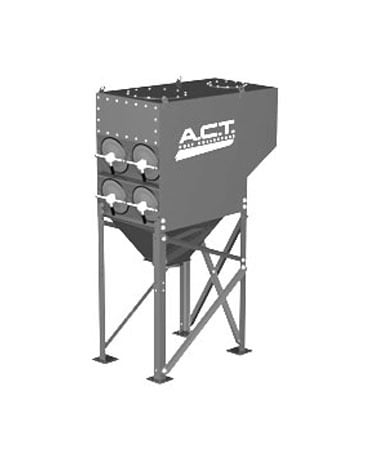
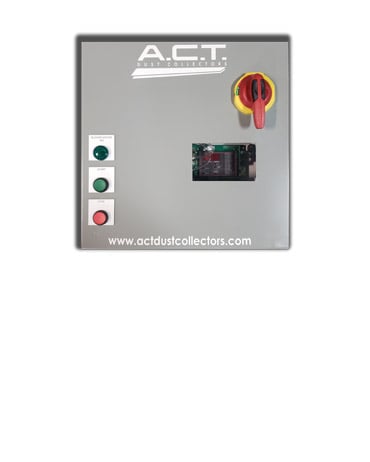
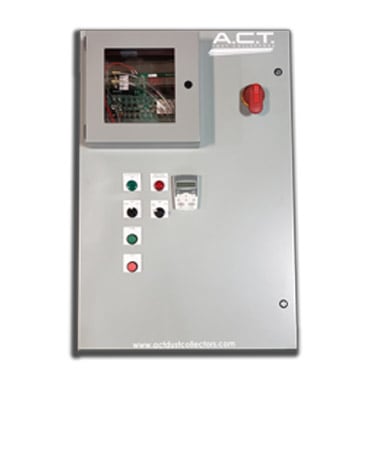
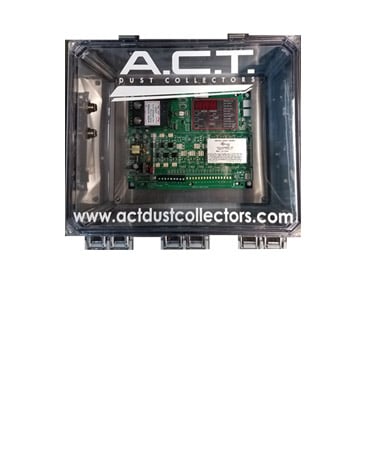

Industrial facilities that generate combustible materials face serious safety risks when those particles become airborne. A dust collector fire can damage equipment, halt production, and most importantly, put workers in harm’s way. Understanding ignition sources, applying NFPA 484 guidance, and selecting the right fire protection components helps prevent these incidents long before they start.
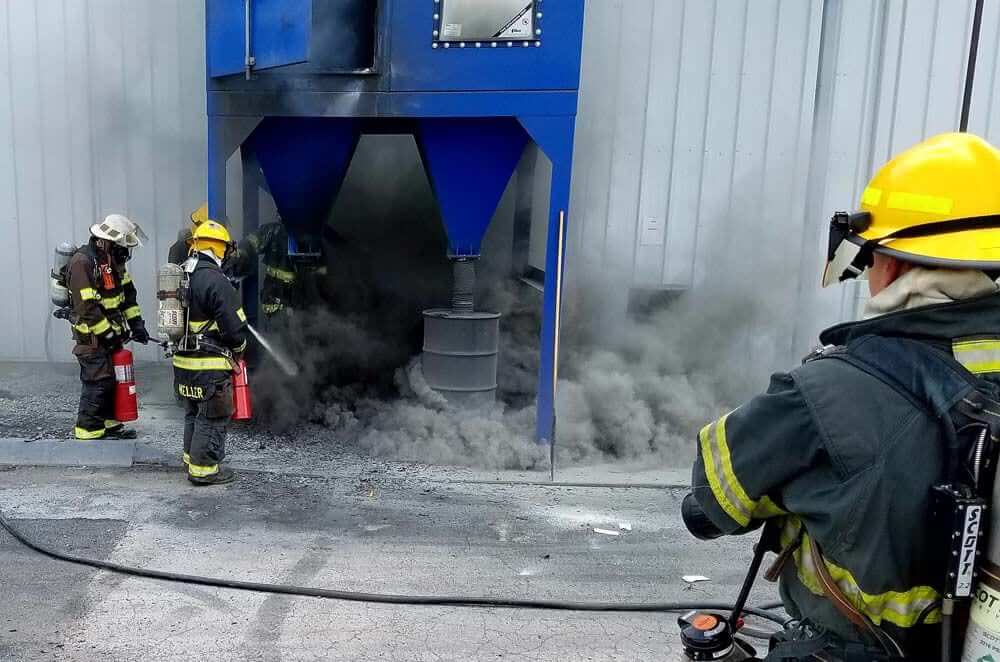
Dust collector fires appear in industry news regularly, often tied to preventable issues such as sparks entering ductwork, poor maintenance, or overlooked combustible dust hazards. With the right planning and equipment, these fires are largely avoidable.
This guide outlines the essential fire safety practices every facility should implement to protect their dust collection systems and keep workers safe.
What Causes a Dust Collector Fire?
A dust collector fire begins when three elements come together: combustible dust, oxygen, and an ignition source. Dust collection systems naturally collect fine particles and move large volumes of air, meaning two sides of the fire triangle are already present. The remaining element is an ignition source.
Common ignition sources include:
- Sparks or hot metal from welding, grinding, or cutting
- Mechanical friction from worn bearings, misaligned fans, or damaged equipment
- Hot work performed near ductwork or pickup points
- Static electricity from ungrounded ductwork or equipment
- Overheated motors or electrical components
When any of these ignition sources contact accumulated dust on filters or in hoppers, combustion can occur rapidly. Unlike explosions that result from suspended dust clouds in confined spaces, fires typically start on filter surfaces or in dust accumulations and can spread through the system if proper isolation isn't in place.
Why Combustible Dust Increases Fire Risk
Many everyday industrial materials like metals, plastics, wood, grains, and chemicals become hazardous when reduced to fine particles. Combustible dust has a large surface area relative to its mass, making it easier to ignite and providing ample fuel once it does.
Inside a dust collection system:
- Airflow keeps fine particles suspended or loosely settled
- Dust often accumulates on filter media
- Static electricity can build if components are not properly grounded
- A single spark can travel long distances through ducts
Industries working with combustible metals, woodworking dust, food processing dust, polymers, and chemical powders must take extra precautions because these materials ignite more readily than many expect.
Understanding NFPA 484 for Dust Collector Fire Prevention
NFPA 484 provides requirements for handling combustible metals such as aluminum, magnesium, and titanium. It outlines how dust collection systems should be designed, installed, and maintained to reduce fire and dust collection explosion hazards. Its guidance also plays a role within the newer consolidated NFPA 660 standard.
NFPA 484 emphasizes:
- System design: Appropriate ducting, grounding, materials of construction, and safe airflow
- Fire and explosion protection: Vents, isolation devices, suppression systems
- Housekeeping: Controlling dust escape and reducing accumulation in surrounding areas
- Inspection and maintenance: Ensuring components function as intended
For facilities working with combustible metals, NFPA 484 compliance is essential for protecting workers and meeting regulatory requirements. Regular system inspections following a structured maintenance checklist help ensure ongoing compliance and identify potential hazards before they become dangerous.
Essential Fire Protection Components for Dust Collection Systems
A complete fire-safety strategy includes multiple layers of protection. Each component plays a specific role in preventing ignition, containing fire, or reducing the impact of an event.
Spark Control and Spark Arrestors
Spark control devices remove or cool sparks and hot particles before they reach the collector. These systems are especially important upstream of grinding, welding, and laser/plasma cutting processes.
How they help: By capturing or neutralizing sparks early, they greatly reduce the chance of ignition inside the collector.
Explosion and Fire Isolation Valves
Isolation valves prevent fire or flame from traveling through ductwork into other parts of the facility. They are designed to close automatically when they detect sudden pressure or flow changes.
How they help: They contain a fire inside the collector and protect upstream equipment and occupied spaces.
Venting Solutions for Combustible Dust
Explosion vents and flameless vents offer safe pressure-relief paths in the event of a deflagration. Proper venting prevents structural failure of the dust collector.
How they help: They direct pressure safely away from workers and equipment, supporting NFPA compliance.
Air Locks and Rotary Valves
Rotary airlocks help isolate the hopper from downstream equipment while allowing dust to discharge into containers.
How they help: They create a barrier that helps prevent flames or hot gases from traveling through discharge points.
How to Avoid Dust Collector Fires in Your Facility
Preventing dust collector fires requires proactive measures across operations, maintenance, and equipment design. Follow these essential steps showing how to avoid dust collector fires:
- Inspect and maintain filters regularly: Replace damaged or heavily loaded filters and investigate discoloration or scorching.
- Remove ignition sources: Control hot work, inspect rotating equipment, and remove tramp metal that can strike fan blades.
- Ensure proper duct design and airflow: Poor airflow creates dust buildup, which increases ignition potential.
- Verify grounding and bonding: Proper grounding prevents static sparks, especially in metal duct systems.
- Install the right suppression and isolation equipment: Choose spark control, isolation valves, vents, and suppression systems based on your dust type and NFPA requirements.
- Train employees on combustible dust hazards: Operators should know how to recognize sparks, odors, or airflow issues.
- Maintain strong housekeeping: Remove fugitive dust routinely to prevent secondary ignition and reduce available fuel.
Signs Your Dust Collector May Be at Risk
Recognizing warning signs early allows you to address problems before they escalate into fire hazards. Watch for these indicators that your system may be at risk:
- Frequent sparks visible at pickup points or in transparent ductwork: This indicates inadequate spark control
- Inconsistent or rising differential pressure: This suggests filter loading, leaks, or system imbalance
- Visible dust accumulation on equipment surfaces or in work areas: It signals inadequate capture or system leaks
- Unsealed or damaged access doors: This creates air leaks that compromise system performance
- Poor airflow at pickup points: Allows dust to escape capture and accumulate in the facility
- Unusual smells, especially burning or hot metal odors: This may indicate overheated components or smoldering dust
Any of these conditions warrants immediate investigation. Don't wait for obvious fire symptoms - by then, damage may already be occurring. Regular inspection and correction using a structured maintenance program helps identify these issues before they become dangerous.
Dust Collector Fire Suppression Options from A.C.T.
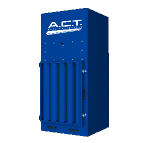
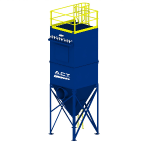
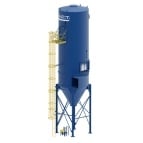
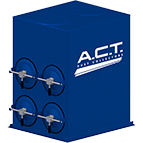
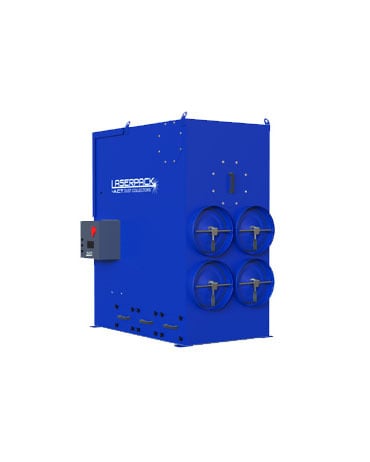
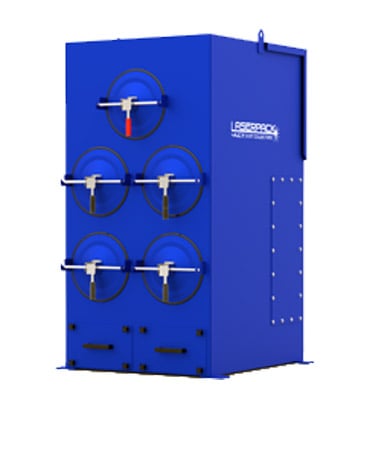
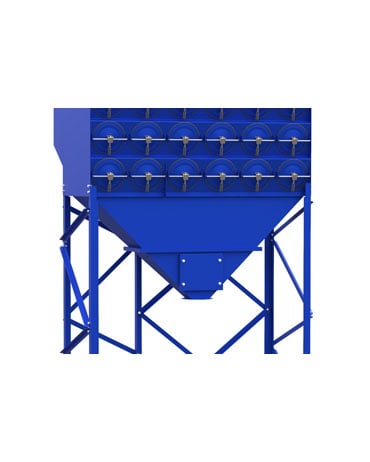
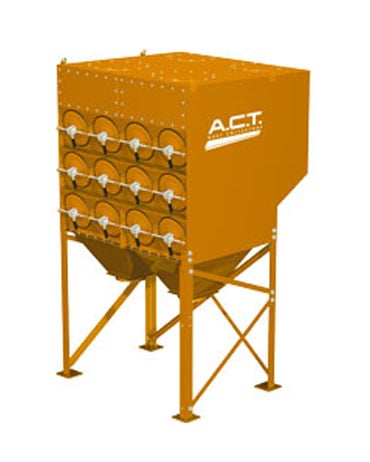
A.C.T. Dust Collectors offers comprehensive safety accessories designed to help facilities comply with NFPA 484 and protect against dust collector fires. Our team works with industry-leading fire protection partners to specify and integrate appropriate safety systems for your specific application. Options include:
- Dust collectors with downward airflow and integrated spark control
- Explosion-vented collector designs
- Isolation valves and spark trap configurations
- Grounding and bonding components
- Rotary airlocks for hopper isolation
Because each application is different, our team reviews your dust type, process, and system layout to recommend the right combination of protection measures. We work with trusted fire-safety partners to help ensure your system supports compliance and safe operation.
If you’re evaluating fire protection for your dust collector, talk to our team to walk through your options.
Frequently Asked Questions About Dust Collector Fire Safety
What causes a dust collector fire?
A dust collector fire occurs when an ignition source such as sparks, static electricity, or friction-generated heat contacts combustible dust inside the collector or ductwork. Fires typically start on filters or in hoppers where dust accumulates.
Do all dust collection systems need fire suppression?
Not all systems require full suppression packages, but most that handle combustible dust benefit from some combination of spark control, isolation, venting, grounding, or chemical suppression based on a dust hazard analysis and NFPA requirements.
How does NFPA 484 apply to my dust collector?
NFPA 484 provides requirements for processes involving combustible metals. It outlines how dust collectors should be designed, protected, and maintained to reduce fire hazards. Facilities working with aluminum, magnesium, titanium, or similar dusts must follow its guidance.
What’s the difference between explosion isolation and fire suppression?
Isolation devices prevent flames or pressure from traveling through ductwork. Fire suppression systems extinguish fires inside the collector. Many facilities use both as part of a layered protection strategy.
How often should I inspect my dust collector?
Visual checks should be done daily; filter and duct inspections monthly; and full evaluations (including fire protection system checks) annually. A structured maintenance and inspection checklist helps maintain consistency.
Protect Your Facility with Proper Fire Prevention
A safer dust collection system is built on prevention. By understanding ignition risks, aligning with NFPA 484, and maintaining consistent inspection and housekeeping practices, you can dramatically reduce the chances of a dust collector fire and protect your people, equipment, and facility.
If you're ready to strengthen your fire-safety strategy, talk to our team about fire protection options for your dust collector. We’ll help you evaluate your system and choose the right suppression and isolation components to keep your operation safe.

.png?width=240&height=91&name=ACT%20Dust%20Collectors%20Logo%20Solid%20White%202020%20(1).png "ACT Dust Collectors Logo Solid White 2020-2")
.png?width=148&height=149&name=usa-manufactured-dust-collectors%20(1).png "United States Flag")