



.svg)



















%20Collectors%20Image.png?width=143&height=143&name=ADC%20(Ambient)%20Collectors%20Image.png)

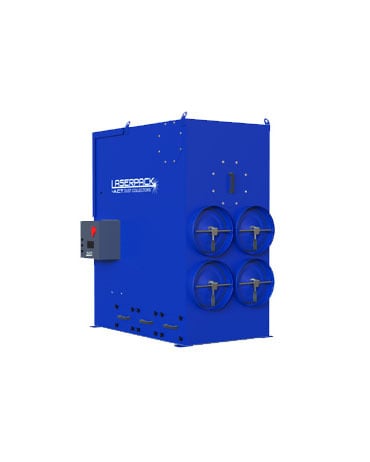
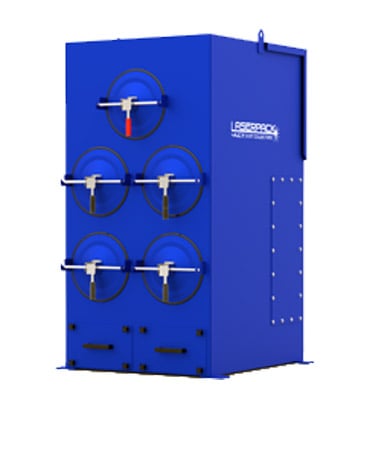
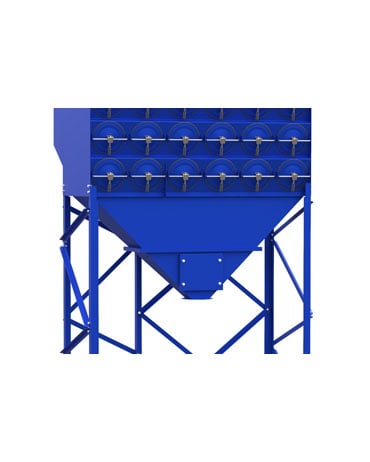
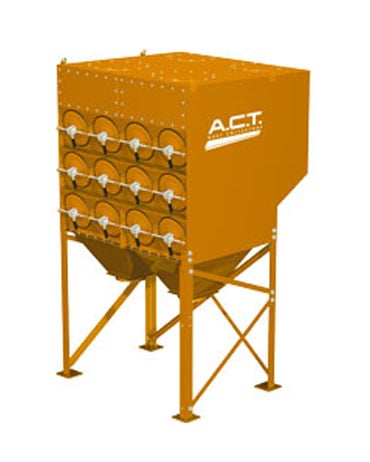
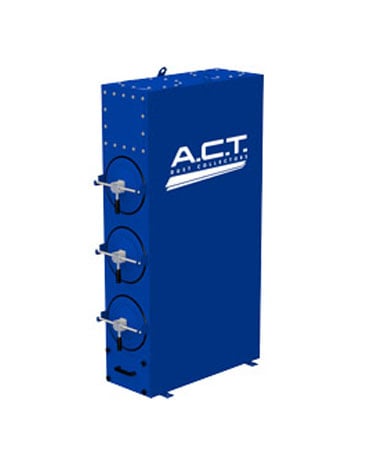
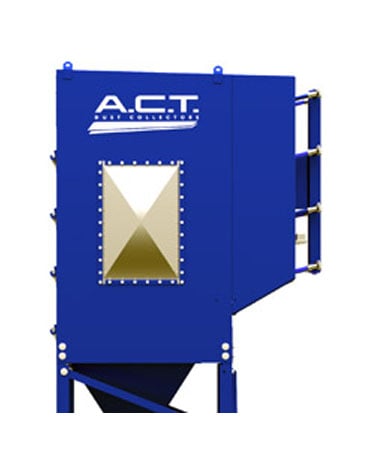
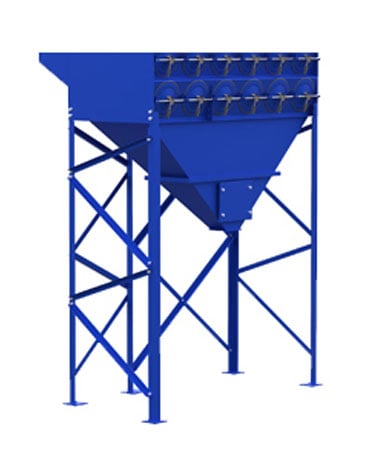
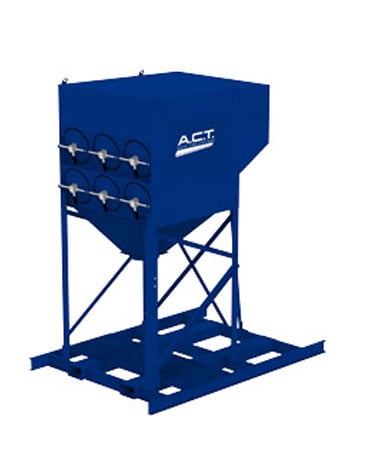
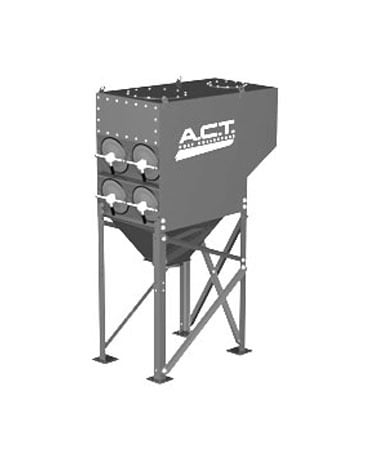
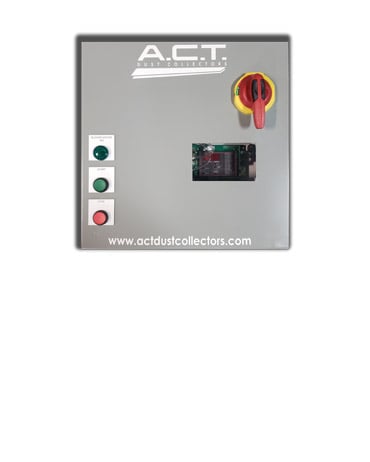
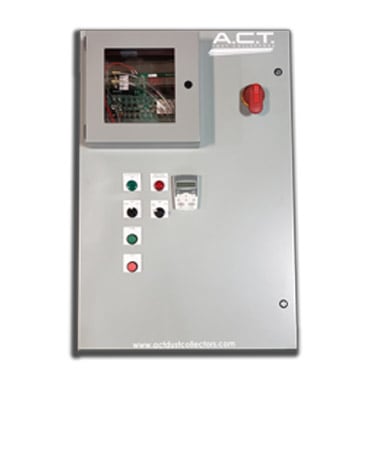
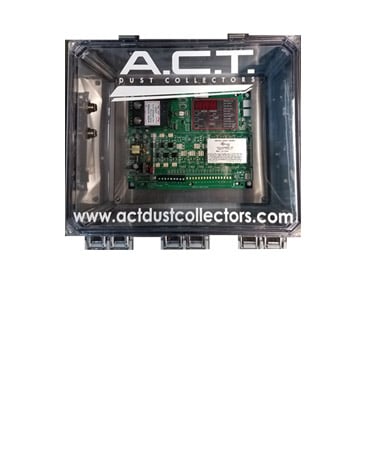

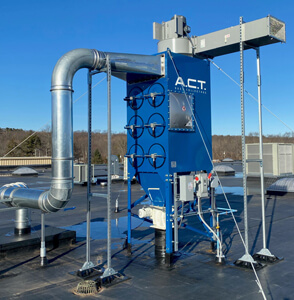
A precision metal component manufacturer required multiple dust collection systems for a new facility buildout in a large manufacturing plant. The project involved retrofitting a 250,000 square foot building to support modern metalworking operations.
A.C.T. Dust Collectors worked with a local dealer to design a system that would support airflow demands, improve efficiency, and fit the unique structure of the facility.
Project Snapshot
Industry: Precision metal manufacturing
Application: Metalworking dust collection
Location: Connecticut
Challenge: Large facility layout and system placement
Dust Type: Metalworking dust and particulate
System Installed: Five A.C.T. dust collectors (multiple models)
Outcome: Improved airflow efficiency and optimized system placement
The Challenge: Designing Dust Collection for a Large Facility
The manufacturer was transitioning into a new facility and needed to replace outdated dust collection equipment that could not support modern production demands.
In this operation:
- The facility covered approximately 250,000 square feet
- Multiple machines generated dust across the production floor
- Existing systems were not adequate for the new setup
- System design needed to support long duct runs and airflow efficiency
Designing dust collection systems for a new facility requires careful planning to ensure proper airflow, effective dust capture, and long-term performance.
The customer needed a system that could handle multiple processes while fitting within the constraints of a large, existing structure.
The Solution: Multi-System Dust Collection Design
After evaluating the application, A.C.T. Dust Collectors recommended a multi-unit system tailored to the facility layout.
The system included:
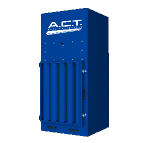
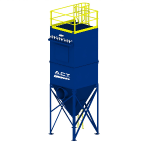
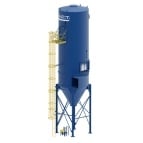
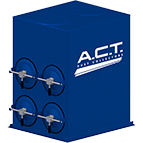
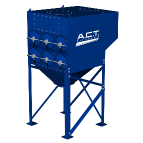
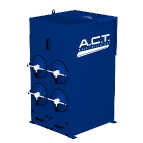
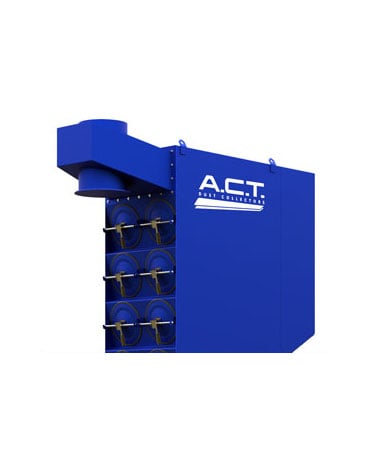
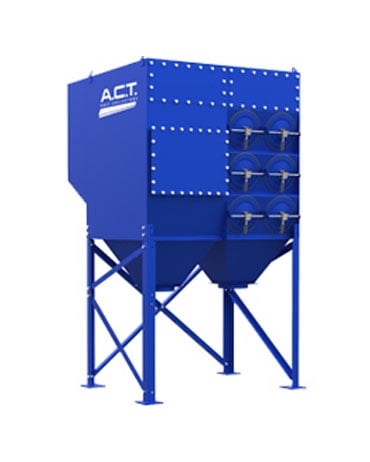
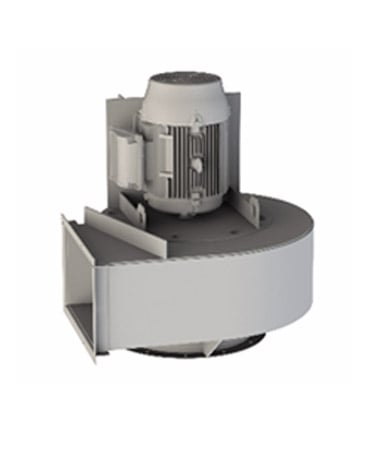
- (2) ACT 3-24 dust collectors with custom fans and VFD controls
- (1) ACT 4-16 dust collector
- (1) ACT 3-6 dust collector
- (1) ACT 2-8 dust collector
- Airlocks and energy-efficient variable frequency drives across all units
The system was designed to:
- Support multiple dust-producing processes
- Maintain consistent airflow across the facility
- Improve energy efficiency through VFD controls
- Provide reliable performance for continuous operation
Installation & Performance
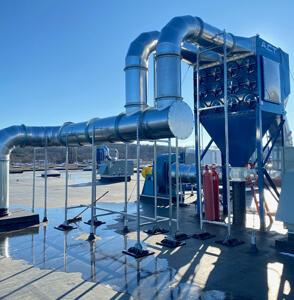
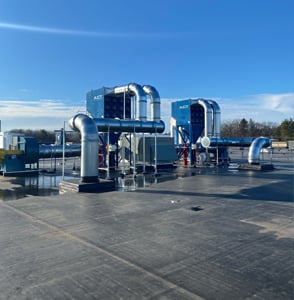
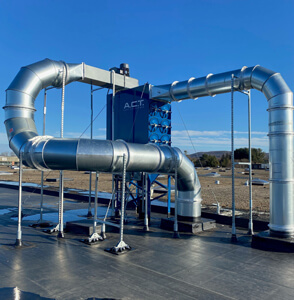
A key decision in the project was to install all five dust collectors on the roof of the facility.
This approach provided several advantages:
- Reduced duct length by placing collectors closer to dust sources
- Lower static pressure requirements across the system
- Improved overall airflow efficiency
- Preserved valuable floor space inside the facility
The building’s structure was strong enough to support the weight of the units, allowing for rooftop installation without compromising structural integrity. Large cranes were used to position the collectors during installation.
Outcomes:
- Optimized airflow across a large facility
- Reduced system resistance and energy demand
- Efficient use of available space
- Reliable system performance following installation
Dust Collection Systems for New Facility Design
Designing dust collection systems for a new facility requires consideration of:
- Facility size and layout
- Location of dust-producing equipment
- Duct routing and static pressure
- System placement, including indoor vs outdoor installation
- Energy efficiency and long-term operating costs
In large manufacturing environments, placing dust collectors closer to the source can significantly improve system performance.
Proper planning ensures the system supports both current production and future growth.
Work with A.C.T. Dust Collectors
If you are planning a new facility or upgrading an existing plant, A.C.T. Dust Collectors can design a dust collection system tailored to your operation. Talk to our team to find the right solution for your facility.
Frequently Asked Questions
Why is dust collection system placement important in large manufacturing facilities?
Dust collection system placement is important in large manufacturing facilities because it directly affects airflow efficiency, duct length, and overall system performance. Placing dust collectors closer to dust sources can reduce static pressure, improve capture efficiency, and lower energy consumption.
In large facilities, rooftop or outdoor placement is often used to save space and optimize system design without interfering with production.
What is static pressure in a dust collection system?
Static pressure in a dust collection system refers to the resistance air encounters as it moves through ductwork, filters, and system components. Lower static pressure allows for more efficient airflow and reduces the energy required to operate the system.
Why use multiple dust collectors instead of one large system?
Using multiple dust collectors instead of one large system allows for better airflow control, shorter duct runs, and improved efficiency across different areas of a facility. It also provides flexibility to support multiple processes and can improve system reliability by distributing the workload.
How do you design a dust collection system for a new facility?
Designing a dust collection system for a new facility involves evaluating the facility layout, types of dust-producing processes, airflow requirements, and equipment placement. Engineers calculate airflow needs, determine duct routing, and select appropriately sized dust collectors to ensure effective dust capture.
Proper design also considers system placement, energy efficiency, and future expansion to ensure long-term performance and reliability.

.png?width=240&height=91&name=ACT%20Dust%20Collectors%20Logo%20Solid%20White%202020%20(1).png "ACT Dust Collectors Logo Solid White 2020-2")
.png?width=148&height=149&name=usa-manufactured-dust-collectors%20(1).png "United States Flag")