



.svg)



















%20Collectors%20Image.png?width=143&height=143&name=ADC%20(Ambient)%20Collectors%20Image.png)

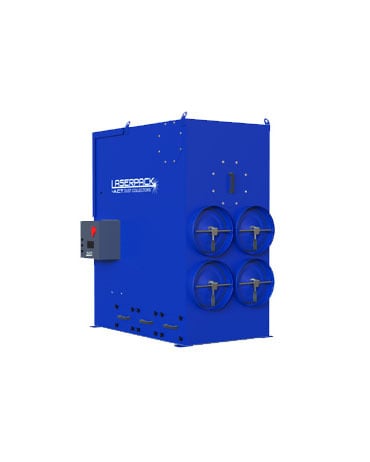
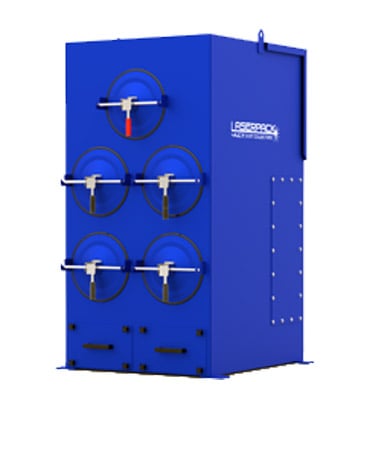
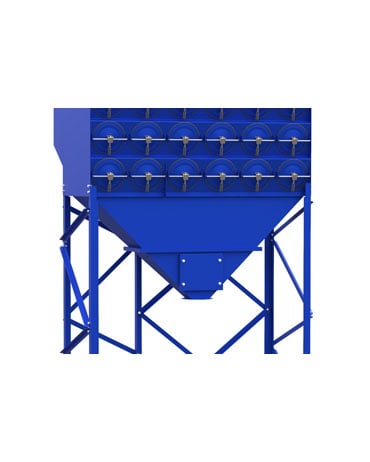
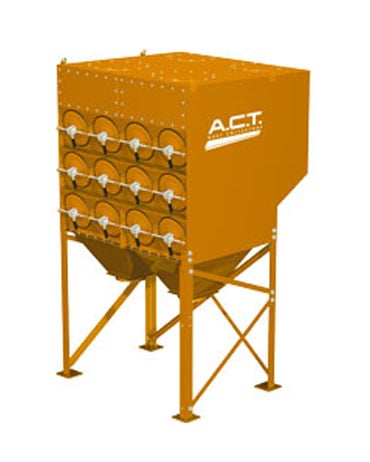
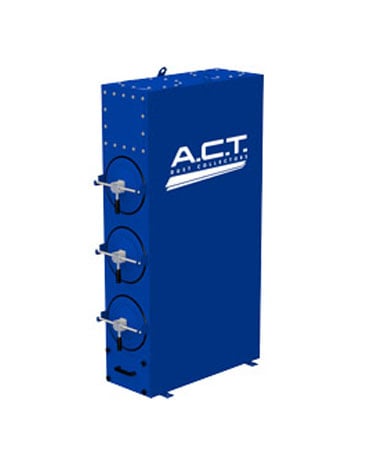
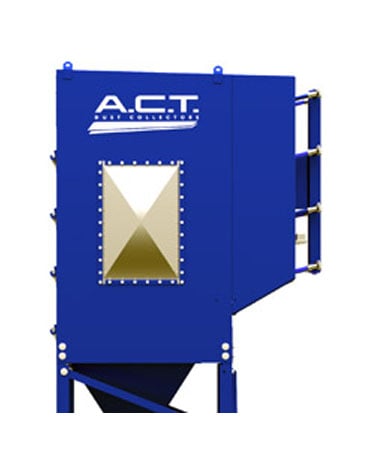
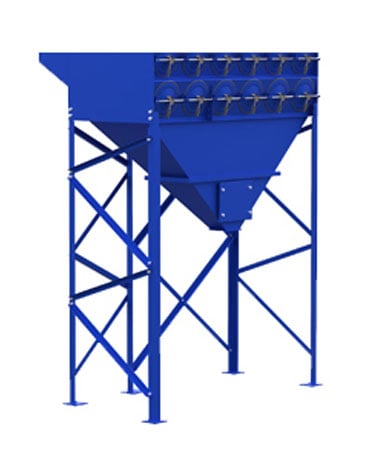
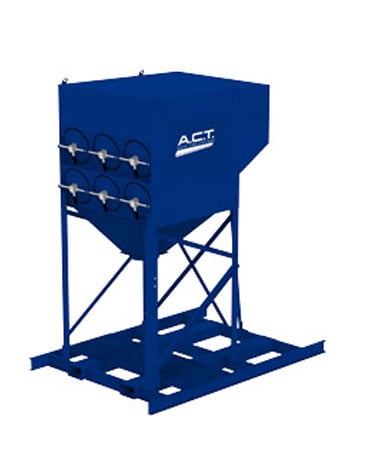
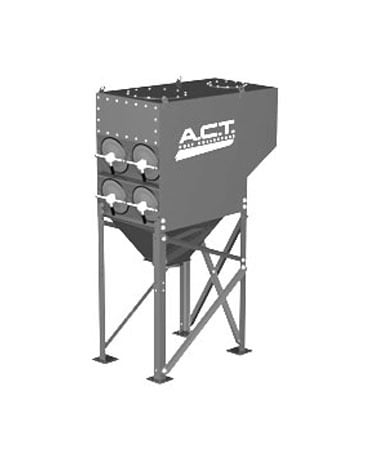
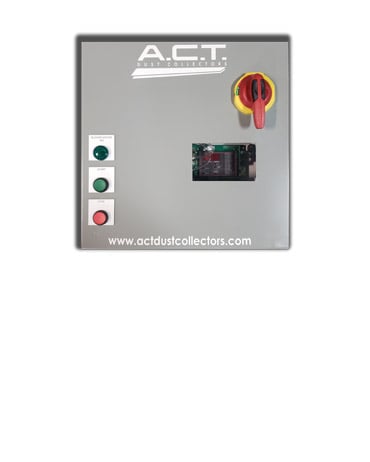
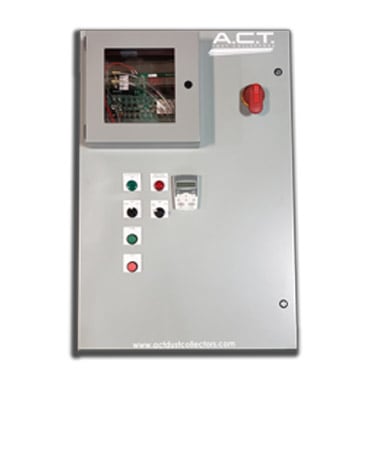
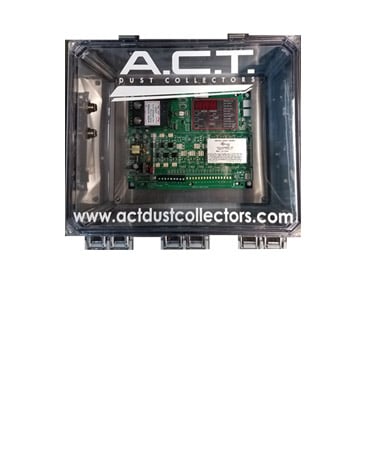

If you manage a manufacturing facility, metal fabrication shop, or machining operation, you already know that metal dust is not something to treat lightly. When combustible metals such as aluminum, magnesium, titanium, or similar materials are cut, ground, polished, or processed, they can generate fine dust that may create serious fire and explosion hazards if it is not properly controlled.
The risk is not limited to one machine or one work area. Combustible metal dust can become airborne, settle on surfaces, collect inside equipment, or build up in hidden areas. If that dust meets the right conditions, including an ignition source and enough concentration in the air, the result can be dangerous for workers, production, equipment, and the wider facility.
That is why NFPA standards matter. The National Fire Protection Association (NFPA) developed NFPA 484 to help facilities address fire and explosion hazards associated with combustible metals and combustible metal dust. Today, this guidance sits within the broader NFPA 660 framework. However, many manufacturers still use the term "NFPA 484" when discussing combustible metal dust safety and dust collection planning.
This guide explains what NFPA 484 covers, which facilities may need to pay attention, why combustible metal dust requires careful handling, and how dust collection systems can support safer, cleaner manufacturing environments.
What is NFPA 484?
NFPA 484 was developed by the National Fire Protection Association (NFPA) to address fire and explosion hazards involving combustible metals and combustible metal dust. It focused on how these materials are processed, handled, collected, stored, and controlled in industrial facilities.
Unlike general combustible dust guidance, NFPA 484 was specific to metals. That matters because metals such as aluminum and titanium can react differently to heat, sparks, friction, moisture, or other materials depending on the process and conditions.
NFPA 484 guidance now sits within the newer NFPA 660 framework, but many manufacturers still refer to NFPA 484 when discussing combustible metal dust safety and dust collection planning. Requirements should be confirmed against the current NFPA framework with qualified safety professionals.
Which Metals Are Covered Under NFPA 484?
Many manufacturers are surprised to learn that the hazard depends on much more than the metal itself. Particle size, moisture content, processing methods, and how much dust becomes airborne all influence the level of risk. For example, a solid aluminum part does not present the same risk as fine aluminum dust created during sanding, grinding, or polishing. A large piece of magnesium behaves differently from fine magnesium or titanium powder that becomes dispersed in air.
Some of the most common metals addressed by the 484 standard for combustible metals include:
- Aluminum
- Magnesium
- Titanium
- Zirconium
- Lithium
- Other combustible metal powders, fines, or dusts
Operations that may generate combustible metal dust include grinding and deburring, CNC machining, sanding, polishing, finishing, abrasive blasting, laser cutting, plasma cutting, additive manufacturing, metal powder handling, and recycling.
Why is Combustible Metal Dust Dangerous?
Combustible metal dust can become dangerous when fine particles accumulate, become airborne, and encounter an ignition source. In the right conditions, suspended dust can ignite and create a fast-moving deflagration. If settled dust is disturbed by that first event, it can become airborne and contribute to a larger secondary explosion.
The main risk factors include:
- Fine combustible particles
- Dust suspended in air
- Oxygen
- An ignition source
- Some level of confinement
- Dust accumulation on floors, beams, equipment, ductwork, or hidden surfaces
Small amounts of fine metal dust can become a serious concern when these conditions come together. This is why housekeeping, source capture, equipment design, and regular facility evaluation all matter.
Does NFPA 484 Apply to Your Facility?
NFPA 484 may be relevant if your facility processes, finishes, handles, recycles, stores, or collects combustible metals in a way that generates dust, fines, powders, or particulates.
Applicability depends on your materials, processes, dust characteristics, and facility conditions. A qualified safety professional or fire protection engineer should confirm which NFPA standards and local requirements apply to your operation.
Aerospace Manufacturing
Aerospace manufacturers often work with lightweight metals such as aluminum, titanium, and magnesium alloys. Cutting, grinding, machining, and finishing these materials can generate fine particulates that require careful review.
Metal Fabrication
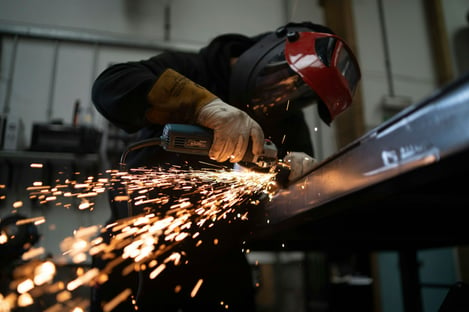
Metal fabrication shops may generate combustible metal dust through grinding, sanding, deburring, polishing, welding preparation, cutting, and finishing. When aluminum or magnesium is involved, these routine tasks deserve closer attention.
Capturing dust near the source can help reduce airborne particulates, limit dust accumulation, and support better housekeeping practices across the shop floor.
CNC Machining Operations
CNC machining can generate chips, fines, and dust depending on the metal being processed and the machining method used. Facilities machining aluminum, magnesium, titanium, or other combustible metals should review how material is collected, conveyed, stored, and removed from the work area.
The dust collection strategy should consider the machine, dust source, airflow path, and final collection point.
Aluminum Processing
Aluminum dust receives significant attention because aluminum is widely used in manufacturing, fabrication, aerospace, recycling, and finishing operations. Processes such as sanding, polishing, machining, trimming, and grinding can create fine aluminum particulates.
If aluminum dust is generated and allowed to accumulate, NFPA combustible metal dust guidance may be relevant to the facility’s safety planning.
Additive Manufacturing and Metal 3D Printing
Metal additive manufacturing often uses fine metal powders to support precision and part quality. These powders may require careful handling during storage, transfer, recovery, recycling, and cleanup.
Facilities using metal 3D printing should evaluate powder handling, dust collection, housekeeping, ignition control, and employee training as part of their combustible dust planning.
What is the Role of Dust Collection in NFPA 484 Planning?
Dust collection systems can play an important role in combustible metal dust control, but they are only one part of a wider safety strategy.
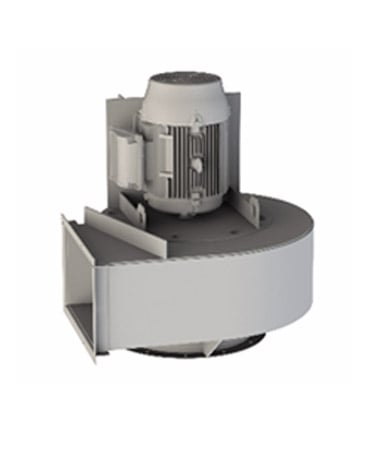
A properly selected dust collection system can help capture dust close to the source, reduce airborne particulate, limit dust accumulation, support housekeeping, and improve overall air quality in production areas. When fine metal dust is captured early, it has less opportunity to spread through the facility or settle on surfaces where it may contribute to future hazards.
Dust collection planning may include:
- Source capture near the process
- Proper airflow for the application
- Dust collector selection
- Safe dust transfer and discharge
- Filter and media considerations
- Housekeeping support
- Maintenance access
- Application-specific design review
Combustible metal applications often require specialized design considerations. Aluminum, magnesium, titanium, and other combustible metals should not be treated the same as general nuisance dust or non-combustible particulates.
AT A.C.T. Dust Collectors, we help facilities review dust-producing processes and select industrial dust collection equipment suited to the application. Contact our team today or request a quote to control dust-related hazards and ensure safer facility operations.
Understanding Dust Hazard Analysis
A Dust Hazard Analysis, often called a DHA, is a structured review used to identify where combustible dust hazards may exist in a facility. It helps teams understand how dust is generated, where it can accumulate, what ignition sources may be present, and whether existing controls are suitable.
A DHA may review materials being processed, dust generation points, dust collection systems, conveying and discharge points and employee training. It helps facilities make better decisions about dust control, housekeeping, equipment upgrades, and hazard management. A DHA should be revisited when materials, processes, equipment, or facility conditions change.
Facilities should work with qualified professionals to determine when a DHA is required and how often it should be reviewed.
Common NFPA 484 Compliance Challenges
Even with good processes in place, managing combustible metal dust is not always straightforward. Production changes, new equipment, different materials, or expanding operations can all introduce new dust hazards over time. That is why it is important to review your facility regularly rather than assuming yesterday's controls will always be enough.
Some of the common challenges manufacturers face include:
- Identifying where combustible metal dust is being generated
- Determining whether the dust presents a combustion or explosion risk
- Preventing dust accumulation on visible and hidden surfaces
- Reviewing whether existing dust collectors and ductwork still suit the application
- Managing collected dust safely
- Maintaining consistent housekeeping practices
- Training employees to recognize combustible dust hazards
- Updating safety practices as equipment, materials, or production processes change
Taking a proactive approach can make these challenges easier to manage. Regularly reviewing dust-producing processes, housekeeping practices, and dust collection systems can help facilities identify potential issues before they become bigger safety concerns.
How A.C.T. Dust Collectors Supports Combustible Metal Dust Applications
Every application is different. That's why we don't recommend the same solution for every customer.
At A.C.T. Dust Collectors, we help manufacturers handling aluminum, magnesium, titanium, and other combustible metals select dust collection systems designed around their materials, processes, and facility requirements. Whether you're upgrading equipment or planning a new installation, we'll help you find the right metal dust collection solution.
Talk to our team about your application, explore our industrial dust collection systems, or request a quote for your facility.
FAQs About NFPA 484
Does NFPA 484 apply to CNC machining operations?
NFPA 484 may apply to CNC machining operations if the process generates combustible metal dust, fines, or powders. The answer depends on the material being machined, the dust characteristics, collection method, housekeeping practices, and how waste material is handled.
What are the dust collection requirements under NFPA 484?
Dust collection requirements for combustible metal applications depend on the specific metal, process, equipment, and facility conditions. Facilities should have systems evaluated against the current NFPA framework by qualified safety and engineering professionals.
Does NFPA 484 apply to aluminum dust collection systems?
NFPA 484 may be relevant to aluminum dust collection systems when aluminum is processed in a way that creates combustible dust, fines, or powders. Sanding, grinding, polishing, cutting, trimming, and recycling aluminum can all require closer dust hazard review.
.png?width=240&height=91&name=ACT%20Dust%20Collectors%20Logo%20Solid%20White%202020%20(1).png "ACT Dust Collectors Logo Solid White 2020-2")
.png?width=148&height=149&name=usa-manufactured-dust-collectors%20(1).png "United States Flag")