



.svg)

















%20Collectors%20Image.png?width=143&height=143&name=ADC%20(Ambient)%20Collectors%20Image.png)
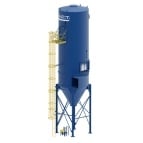
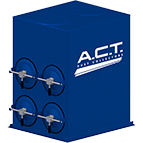
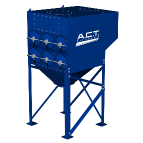
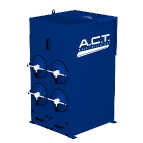

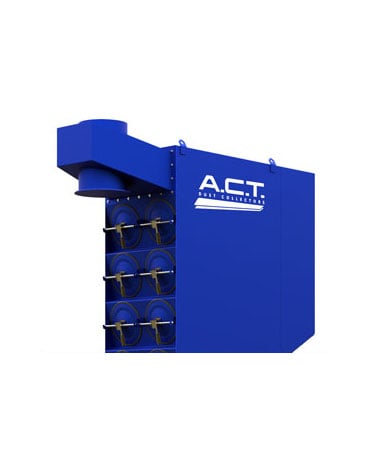
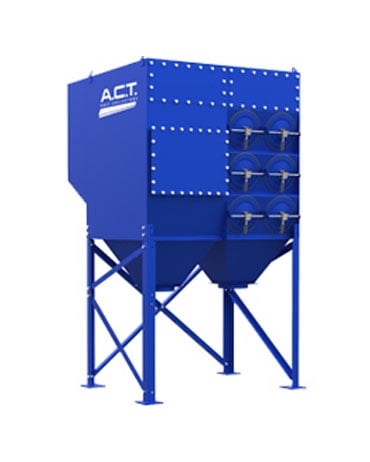
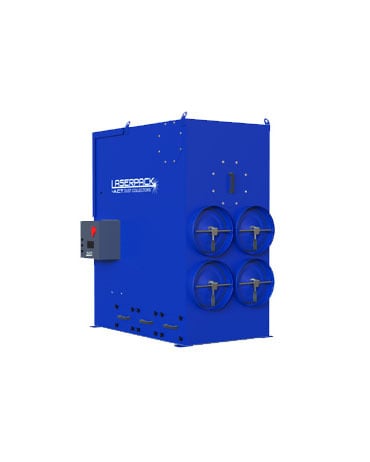
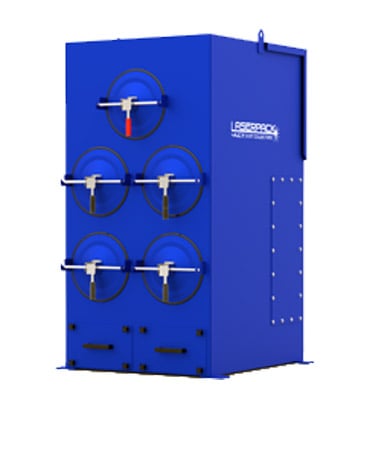
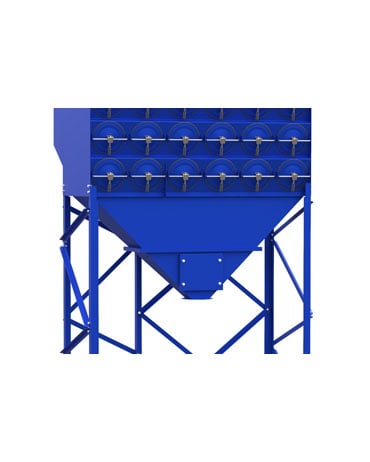
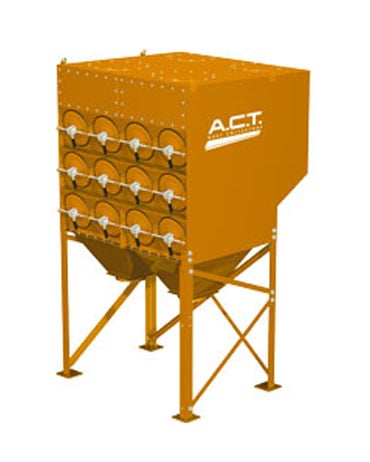
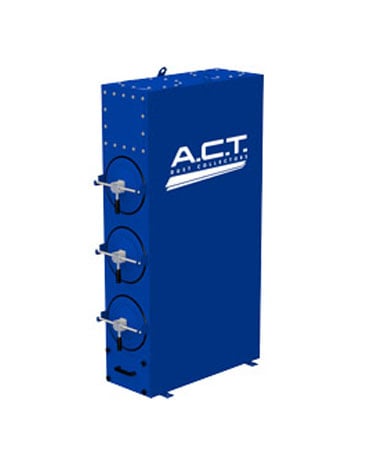
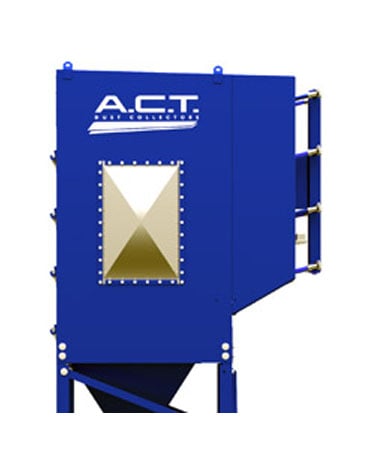
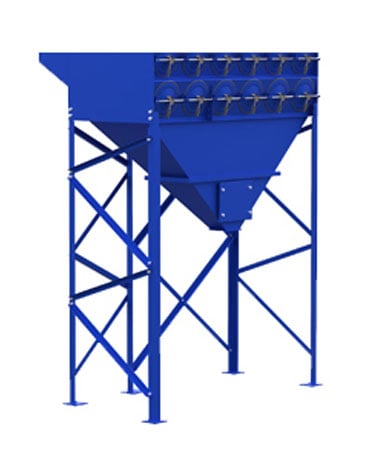
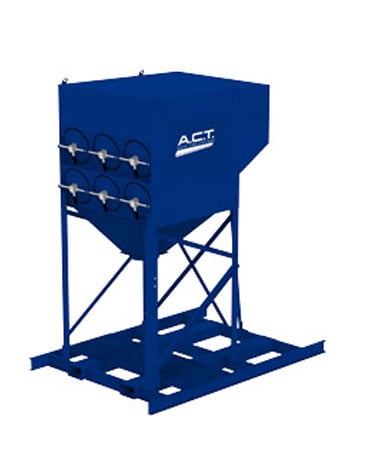
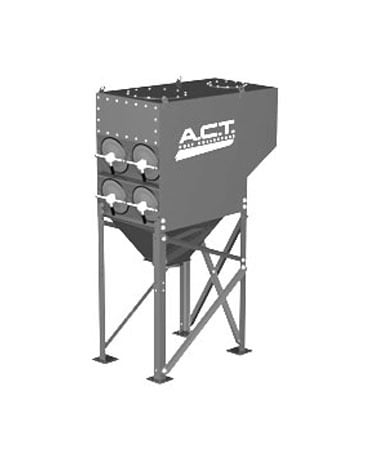
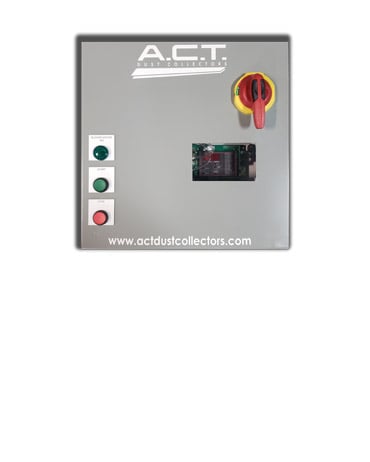
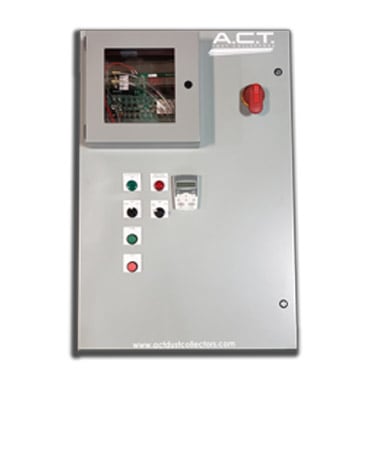
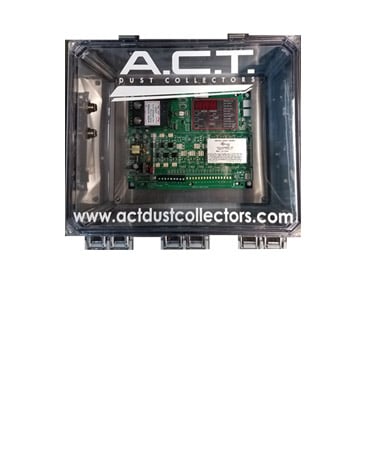
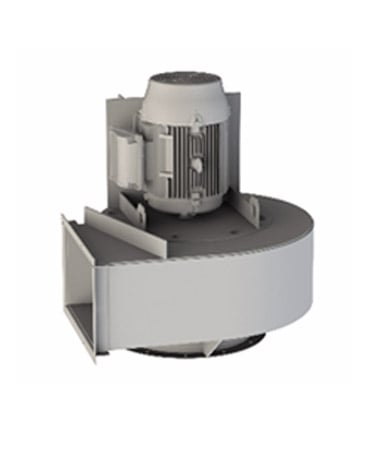
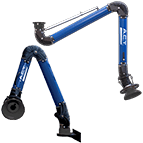
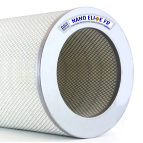

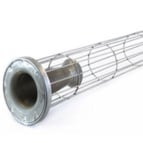
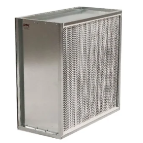
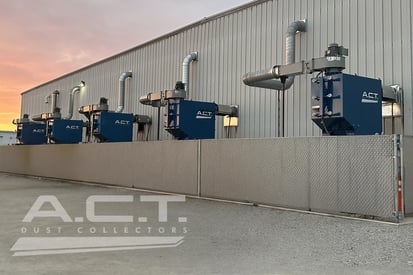
A leading transportation manufacturer needed a reliable dust collection system for its robotic welding operation after a previous collector failed. Welding smoke, fumes, and metal particulate were affecting air quality throughout the production facility, creating concerns about employee comfort, equipment cleanliness, and operational reliability.
A.C.T. Dust Collectors provided a source-capture solution designed specifically for robotic welding cells, helping the manufacturer create a cleaner and safer production environment.
Project Snapshot
Industry: Transportation manufacturing
Application: Robotic welding fume collection
Location: United States
Challenge: Failed dust collector and poor air quality
Dust Type: Weld smoke, fumes, and metal particulate
System Installed: Five ACT 3-12 cartridge dust collectors
Outcome: Improved air quality, safety, and operational reliability
The Challenge: Welding Smoke Throughout the Facility
The manufacturer operated multiple robotic welding cells that generated significant amounts of welding smoke and airborne particulates. When an aging dust collection system failed, the facility was left without adequate fume extraction.
Robotic welding processes generate fumes, smoke, and fine metal particulates that can spread throughout a facility if not captured effectively at the source. Over time, these contaminants can reduce visibility, settle on equipment, and create an uncomfortable work environment.
In this operation:
- Welding smoke and haze were present throughout the production area
- Fine metal particulate accumulated on equipment and surfaces
- The previous dust collector had failed
- The facility needed a replacement solution quickly
- Robotic welding cells required dedicated source-capture filtration
The customer needed a reliable dust collection system that could support continuous production while improving air quality throughout the facility.
The Solution: Source Capture for Robotic Welding Cells
After reviewing the application, A.C.T. Dust Collectors recommended installing multiple collectors dedicated to individual robotic welding cells.
The system included:
- Five ACT 3-12 cartridge dust collectors
- Direct connection to robotic welding stations
- Source-capture fume extraction design
- High-efficiency cartridge filtration
The system was selected for its:
- Ability to capture fumes at the source
- Reliable performance in production welding environments
- Flexible deployment across multiple robotic cells
- Fast availability and installation
By collecting fumes directly at each welding station, the system prevents smoke from spreading throughout the facility and improves overall air quality.
Installation & Performance
One advantage of the solution was its straightforward installation process. The manufacturer was able to self-install the collectors and quickly restore effective fume extraction.
Outcomes:
- Significant reduction in welding smoke and haze
- Cleaner air throughout the production floor
- Reduced residue buildup on equipment
- Improved visibility within welding areas
- Reliable performance during continuous production
The plant reported strong satisfaction with the system's performance and its ability to handle the demands of robotic welding operations.
Dust Collection for Robotic Welding Applications
Robotic welding facilities require dust collection systems that can:
- Capture fumes directly at the welding source
- Support continuous production schedules
- Prevent smoke migration throughout the facility
- Reduce particulate accumulation on equipment
- Maintain consistent airflow across multiple welding cells
Dedicated source-capture systems are often the most effective solution because they remove contaminants before they can spread into surrounding work areas.
Proper weld fume collection helps improve air quality, support worker comfort, and maintain cleaner production environments.
Work with A.C.T. Dust Collectors
If your facility operates robotic welding cells or experiences welding smoke and fume issues, A.C.T. Dust Collectors can design a solution tailored to your operation. Contact our team to discuss the right dust collection system for your facility.
Frequently Asked Questions
What is a robotic welding dust collection system?
A robotic welding dust collection system is designed to capture and filter welding smoke, fumes, and metal particulate generated by automated welding cells. These systems collect contaminants directly at the source before they can spread throughout the facility.
Proper robotic welding dust collection helps improve air quality, reduce residue buildup on equipment, and support safer working conditions.
Why is source capture important in robotic welding applications?
Source capture is important in robotic welding applications because welding fumes can quickly disperse throughout a facility if they are not collected immediately. Capturing contaminants close to the welding arc prevents smoke migration and improves overall filtration efficiency.
Key benefits of source capture include:
- Improved air quality
- Reduced welding haze
- Cleaner equipment surfaces
- Better visibility in production areas
- More effective fume control
How do welding fumes affect manufacturing equipment?
Welding fumes affect manufacturing equipment by allowing fine particulate to settle on machinery, electrical components, and production surfaces. Over time, this buildup can increase maintenance requirements and create cleaning challenges.
Effective fume collection helps keep equipment cleaner and supports more reliable operation.
Why use multiple dust collectors instead of one large system?
Multiple dust collectors may be used instead of one large dust collection system when individual work cells require dedicated airflow and source capture. This approach allows each collector to operate close to the process generating the fumes.
Benefits of multiple collectors often include:
- Better source capture performance
- Simplified ductwork
- Improved system flexibility
- Easier maintenance access
- Reduced impact if one unit requires service
What should manufacturers consider when replacing a failed dust collector?
When replacing a failed dust collector, manufacturers should evaluate airflow requirements, equipment layout, dust characteristics, and future production needs. Proper system sizing and application-specific design are critical to long-term performance.
Important considerations include:
- Airflow capacity (CFM)
- Number of welding stations
- Filter efficiency
- Maintenance requirements
- Lead times and equipment availability
- Long-term reliability
Selecting the right replacement system helps improve air quality while reducing the risk of future operational disruptions.

.png?width=240&height=91&name=ACT%20Dust%20Collectors%20Logo%20Solid%20White%202020%20(1).png "ACT Dust Collectors Logo Solid White 2020-2")
.png?width=148&height=149&name=usa-manufactured-dust-collectors%20(1).png "United States Flag")