



.svg)



















%20Collectors%20Image.png?width=143&height=143&name=ADC%20(Ambient)%20Collectors%20Image.png)
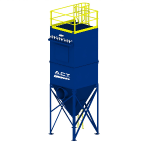
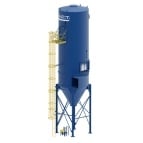
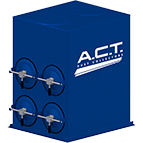
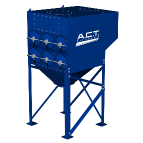
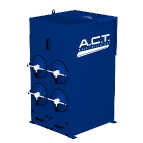

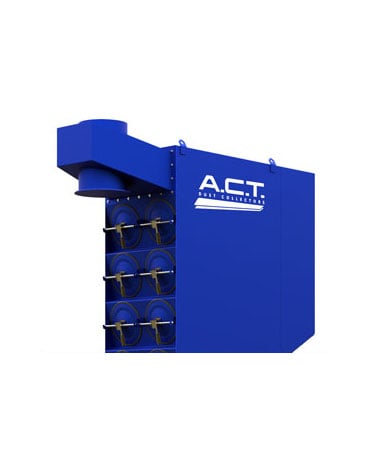
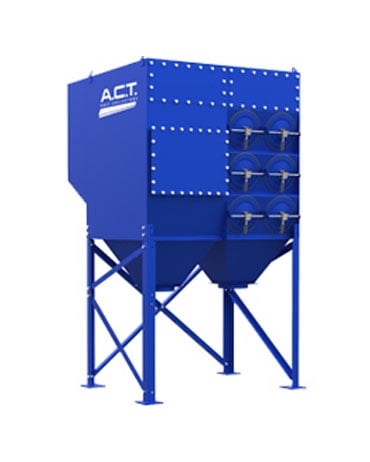
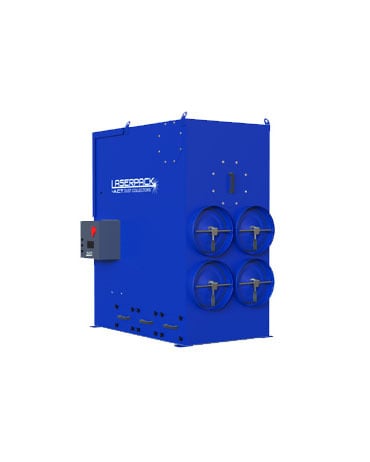
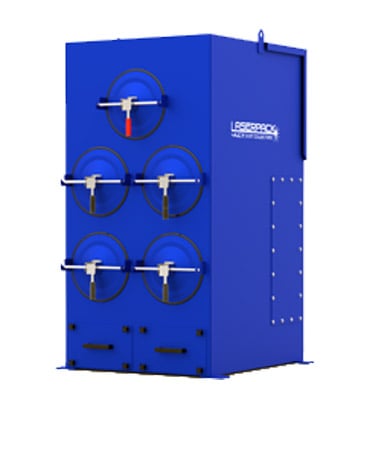
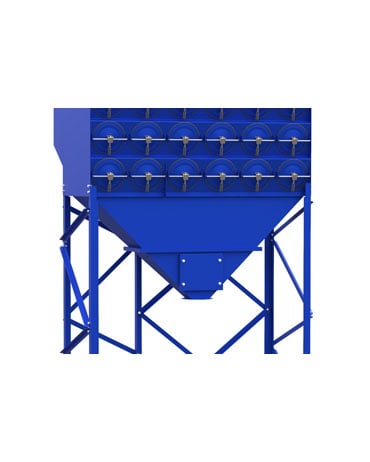
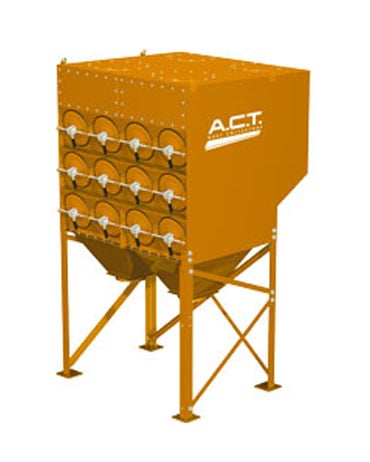
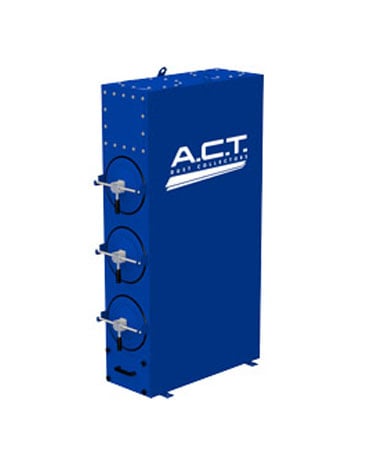
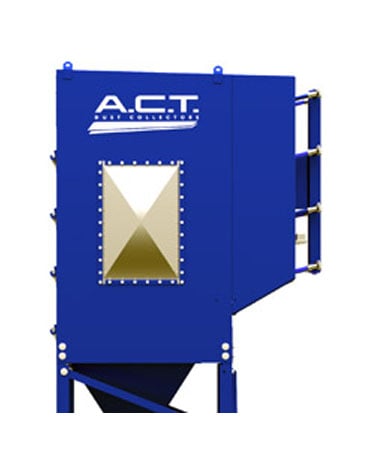
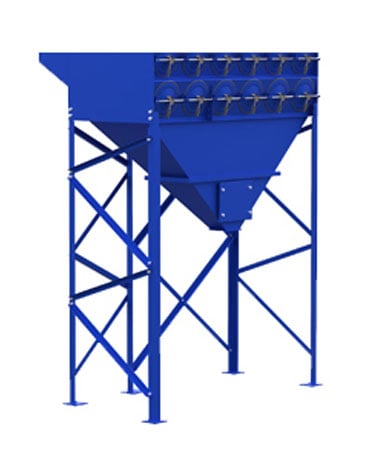
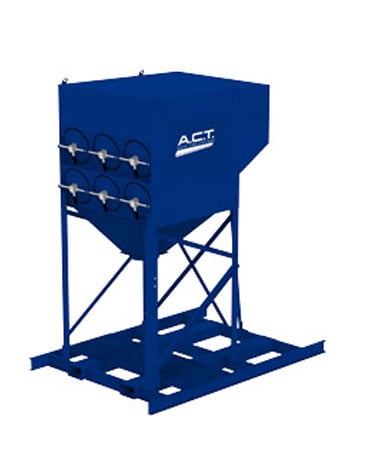
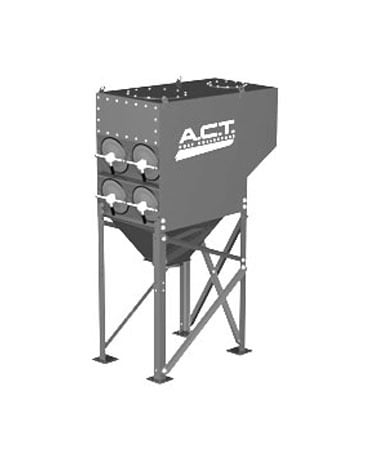

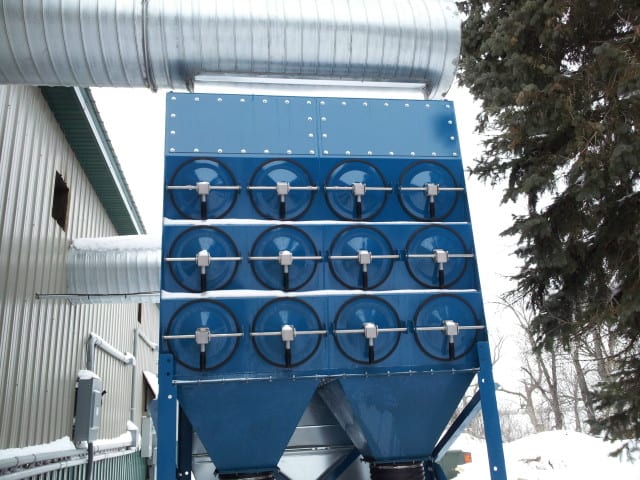
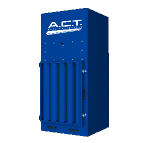
A trailer manufacturer up north needed an effective weld fume extraction system to improve air quality inside their facility. Welding operations were generating airborne smoke and particulate, while the existing ventilation approach created additional operational challenges.
A.C.T. Dust Collectors provided a solution designed to capture weld fumes, improve indoor air quality, and reduce energy costs associated with ventilation.
Project Snapshot
- Industry: Trailer manufacturing
- Application: Weld fume extraction
- Challenge: Poor air quality and high heating costs
- Previous Setup: Exhaust fans
- Equipment Installed:
- ACT 3-24 dust collector (18,000 CFM, 50 HP)
- ACT 4-16 dust collector (12,000 CFM, 30 HP)
- System Design: 7 air changes per hour
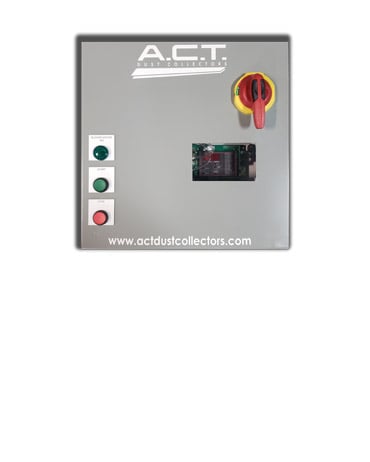
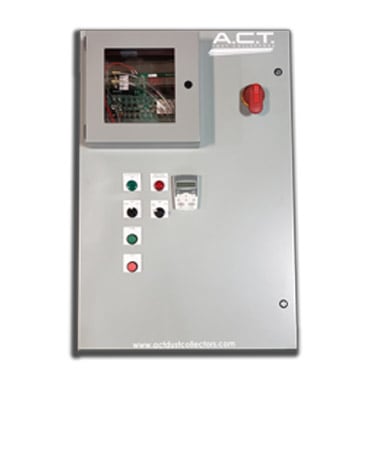
- Controls: Variable Frequency Drives (VFDs)
- Outcome: Improved air quality and reduced heating costs
The Challenge: Weld Smoke and Energy Loss in Cold Climates
Welding operations generate weld smoke and airborne particulate that must be removed to maintain a safe working environment.
In this facility:
- Exhaust fans were used to remove contaminated air
- Heated indoor air was continuously expelled outside
- Cold outdoor air increased the cost of maintaining indoor temperatures
- Air quality remained a concern despite ventilation efforts
The manufacturer needed a system that could control weld fumes without driving up heating costs.
The Solution: Dust Collection with Air Recirculation
A.C.T. Dust Collectors designed a system using:
- Two dust collection units:
- ACT 3-24 (18,000 CFM, 50 HP fan)
- ACT 4-16 (12,000 CFM, 30 HP fan)
- System design:
- Configured for 7 air changes per hour
- Equipped with Variable Frequency Drives (VFDs) for airflow control
Unlike exhaust-only systems, this solution allows:
- Filtered air to be returned to the building
- Reduced loss of heated air during winter months
- More efficient control of airflow based on production needs
Results: Cleaner Air with Reduced Heating Costs
The installed system delivered measurable operational improvements:
- Effective removal of weld smoke and airborne particulate
- Improved air quality throughout the facility
- Reduced reliance on exhaust fans
- Lower heating costs due to air recirculation
- Greater control over airflow using VFDs
By capturing and filtering air before returning it indoors, the system provided a more energy-efficient approach to weld fume control.
Importance of Weld Fume Collection Systems in Manufacturing
Weld fume extraction systems are essential in manufacturing environments because they:
- Remove airborne smoke and particulate from welding processes
- Improve visibility and worker comfort
- Support safer indoor air conditions
- Reduce energy loss when designed for air recirculation
In colder climates, systems that filter and return air can significantly reduce heating-related costs compared to exhaust-only solutions.
Work with A.C.T. Dust Collectors
If your facility is dealing with weld smoke, poor air quality, or rising energy costs, A.C.T. Dust Collectors can design a system tailored to your operation. Contact our team to discuss a dust collection solution for your facility.
Frequently Asked Questions
What is weld fume extraction and why is it important?
Weld fume extraction systems are designed to capture and remove smoke and airborne particulate generated during welding. These systems help maintain air quality, improve visibility, and support safer working conditions in manufacturing environments.
Why are exhaust fans inefficient in cold climates?
Exhaust fans remove contaminated air from a facility but also expel heated indoor air. In cold climates, this increases heating demands and energy costs because the building must continuously replace lost warm air.
Can filtered air be returned back into a facility?
Yes. Many dust collection systems are designed to capture and filter contaminated air before safely returning it back into the facility. This approach helps maintain indoor temperatures by reducing the loss of heated or cooled air, which is especially important in colder climates. By recirculating clean air, facilities can improve air quality while also lowering energy costs associated with ventilation and temperature control.
What role do VFDs play in dust collection systems?
Variable Frequency Drives (VFDs) control the speed of the fan motor in a dust collection system, allowing operators to adjust airflow based on real-time production needs. During periods of lower activity, fan speeds can be reduced to save energy, while still maintaining adequate air filtration. When production increases, airflow can be ramped up to handle higher dust volumes. This flexibility helps improve energy efficiency, extend equipment life, and maintain consistent air quality throughout the facility.
.png?width=240&height=91&name=ACT%20Dust%20Collectors%20Logo%20Solid%20White%202020%20(1).png "ACT Dust Collectors Logo Solid White 2020-2")
.png?width=148&height=149&name=usa-manufactured-dust-collectors%20(1).png "United States Flag")