



.svg)



















%20Collectors%20Image.png?width=143&height=143&name=ADC%20(Ambient)%20Collectors%20Image.png)
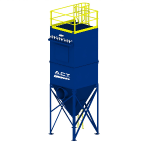
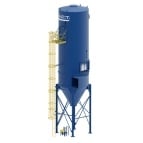
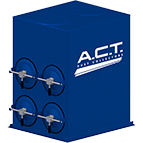
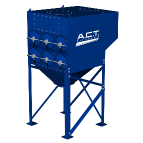
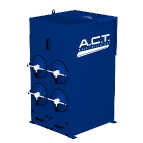

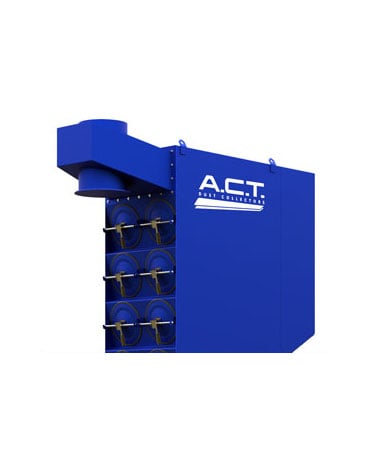
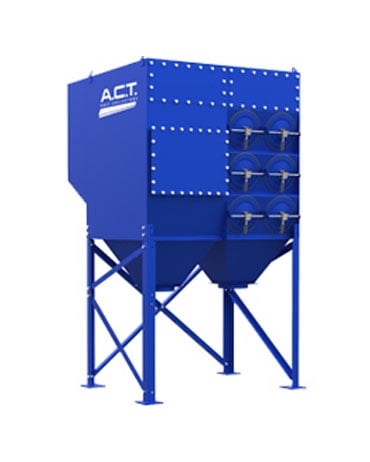
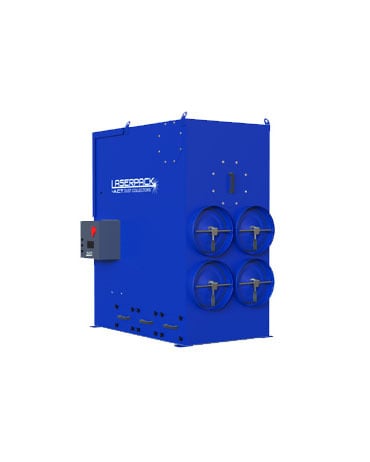
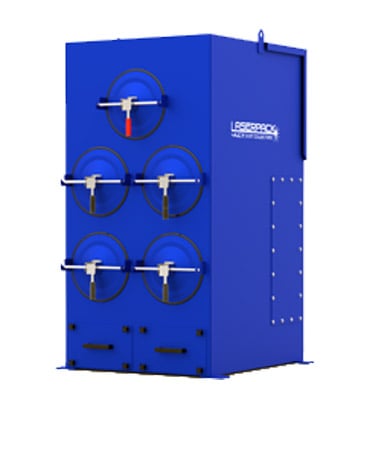
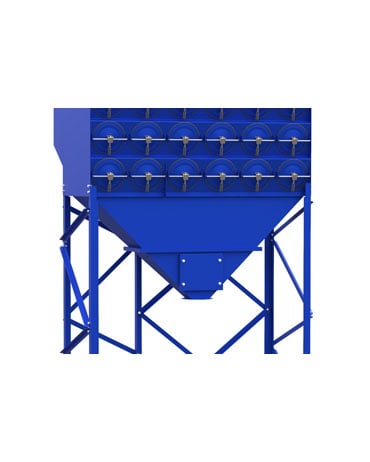
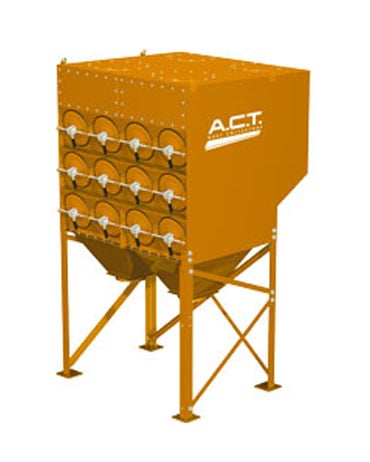
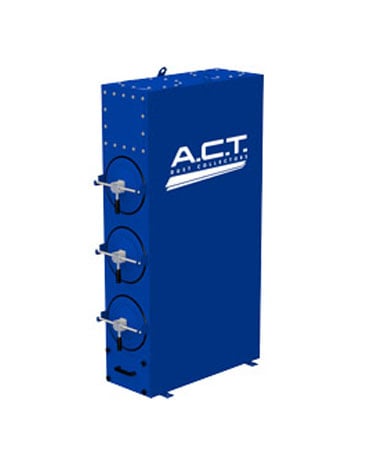
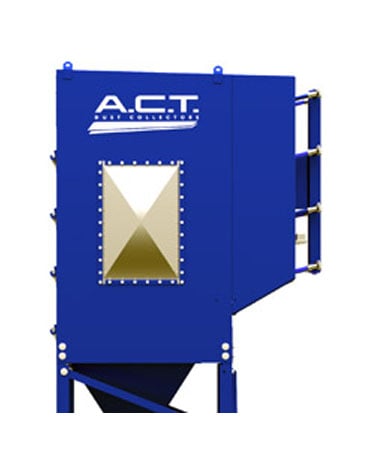
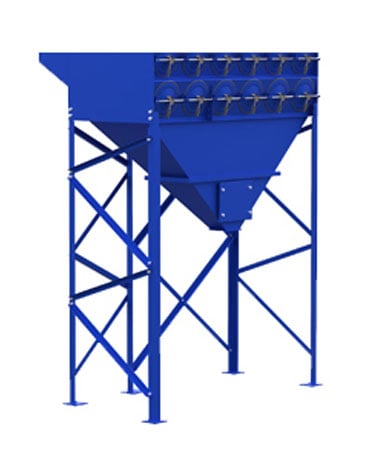
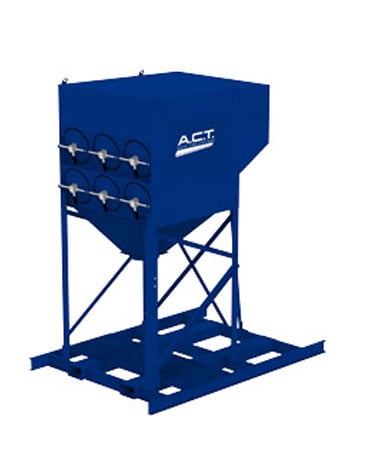
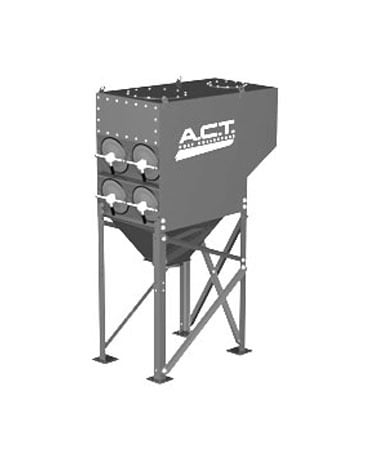
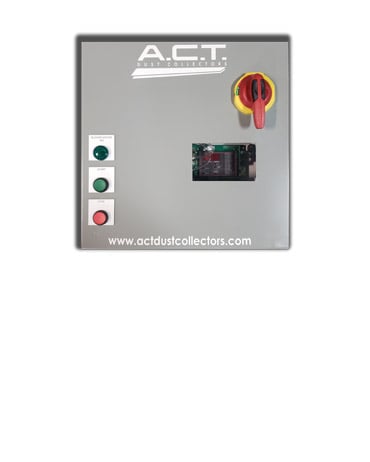
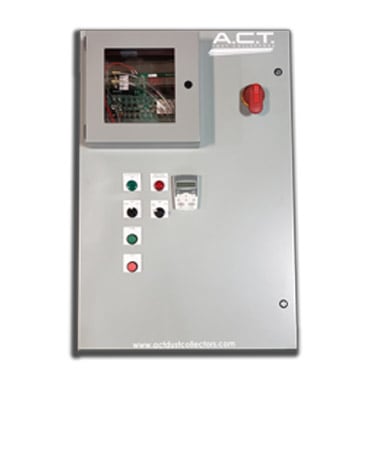
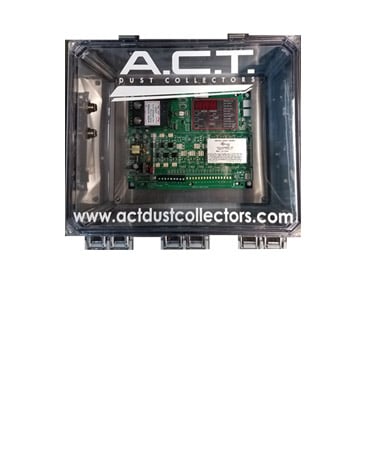
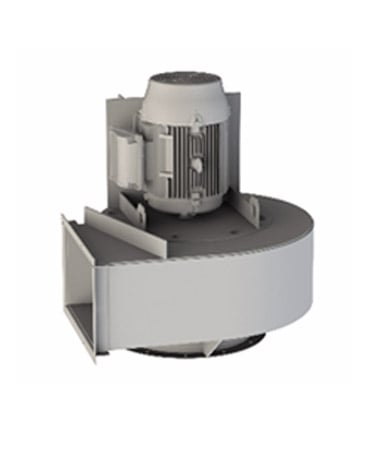
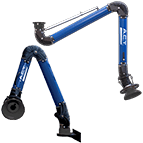

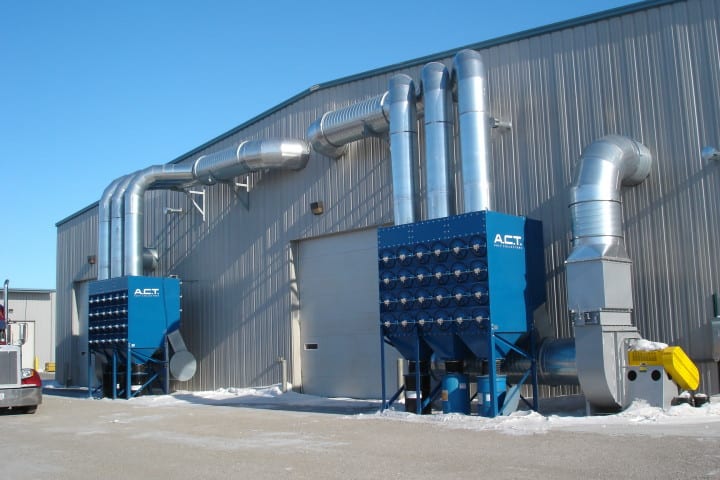
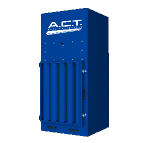
A welding facility in North Dakota required an effective weld fume extraction system to improve air quality in a large production environment. Welding processes generate smoke and airborne particulates that must be controlled to maintain safe and efficient working conditions.
A.C.T. Dust Collectors provided a solution designed to capture weld smoke, support consistent air changes, and allow flexibility based on production demand.
Project Snapshot
- Location: North Dakota
- Application: Weld fume extraction / weld smoke control
- Equipment Installed: (2) ACT 4-48 dust collectors + additional unit for expansion
- Airflow Capacity: 26,000–28,000 CFM per unit
- System Design: 7 air changes per hour
- Controls: Variable Frequency Drives (VFDs) for airflow adjustment
- Outcome: Improved air quality with flexible energy usage
The Challenge: Managing Weld Smoke in a Large Facility
Welding operations produce weld fumes and smoke that can accumulate quickly in large indoor environments.
In this facility:
- Weld smoke needed to be continuously removed from the air
- Air quality had to be maintained across a large workspace
- Production levels varied, requiring a system that could adapt to changing demand
The customer needed a solution that would provide consistent air filtration while allowing operational flexibility.
The Solution: High-Capacity Dust Collection with Adjustable Airflow
A.C.T. Dust Collectors supplied:
- Two ACT 4-48 dust collectors, each equipped with:
- 26,000 CFM fans
- Designed for 7 air changes per hour
To improve efficiency and control:
- Variable Frequency Drives (VFDs) were installed
- Operators can:
- Run systems at full capacity during peak welding
- Reduce airflow when fewer welders are active
This allows the system to maintain air quality while reducing unnecessary energy usage.
System Expansion to Support Facility Growth
As the customer expanded their welding operations, the system was scaled accordingly.
- An additional ACT 4-48 dust collector was installed
- Rated for 28,000 CFM
- Also designed for 7 air changes per hour
- Included a VFD for airflow control
This ensured consistent performance across both the original and expanded workspace.
Results: Improved Air Quality with Energy Flexibility
The installed system provided:
- Effective removal of weld smoke and airborne particulate
- Consistent air circulation based on 7 air changes per hour
- Flexibility to adjust airflow based on production levels
- Reduced energy usage during lower-demand periods
The customer reported satisfaction with both the performance of the system and the overall experience working with A.C.T. Dust Collectors.
Why This Approach Works for Welding Applications
Dust collection systems designed for weld fume extraction must balance:
- High airflow capacity for large spaces
- Consistent air changes to maintain air quality
- Flexible operation to match production levels
By combining high-capacity collectors with VFD controls, facilities can maintain clean air while optimizing energy efficiency.
Work with A.C.T. Dust Collectors
If your facility needs to control weld smoke, welding fumes, or airborne particulate, A.C.T. Dust Collectors can design a system tailored to your operation.
Contact our team to discuss a dust collection solution for your welding environment.
Frequently Asked Questions
What is a weld fume extraction system?
A weld fume extraction system is designed to capture and remove smoke and airborne particulates generated during welding processes. These systems help maintain air quality, protect workers, and improve visibility in industrial environments.
How many air changes per hour are needed for welding environments?
Welding environments are often designed around a target number of air changes per hour to ensure consistent removal of airborne contaminants. The required air change rate depends on the size of the space, the intensity of welding activity, and applicable safety standards.
What is the benefit of using VFDs in dust collection systems?
Variable Frequency Drives (VFDs) allow operators to adjust fan speed and airflow based on production demand. This helps maintain proper air quality while reducing energy consumption during periods of lower activity.
Can dust collection systems be expanded as a facility grows?
Dust collection systems can be expanded by adding additional units or increasing system capacity. This allows facilities to maintain consistent air quality as production areas increase in size or output. Learn more about expanding your system today.
.png?width=240&height=91&name=ACT%20Dust%20Collectors%20Logo%20Solid%20White%202020%20(1).png "ACT Dust Collectors Logo Solid White 2020-2")
.png?width=148&height=149&name=usa-manufactured-dust-collectors%20(1).png "United States Flag")