



.svg)


















%20Collectors%20Image.png?width=143&height=143&name=ADC%20(Ambient)%20Collectors%20Image.png)

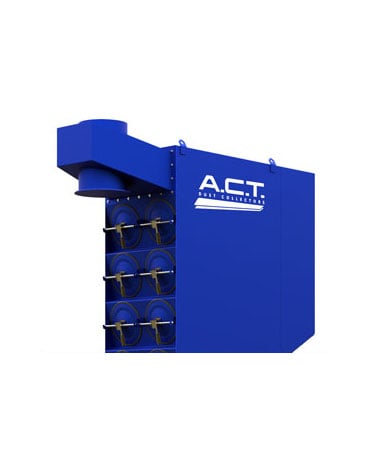
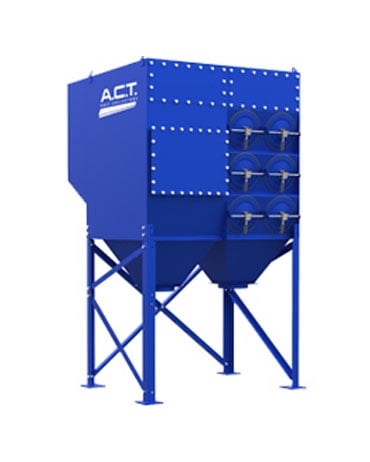
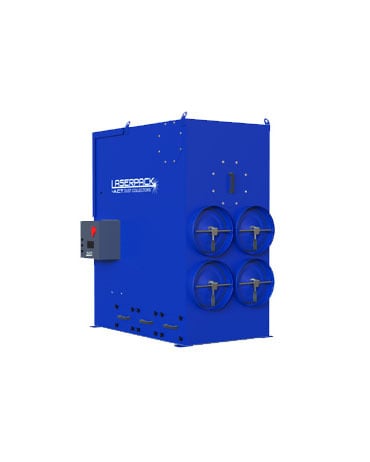
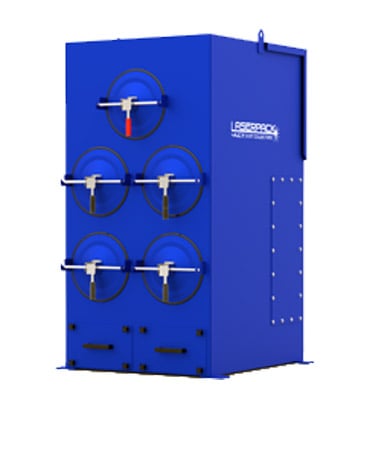
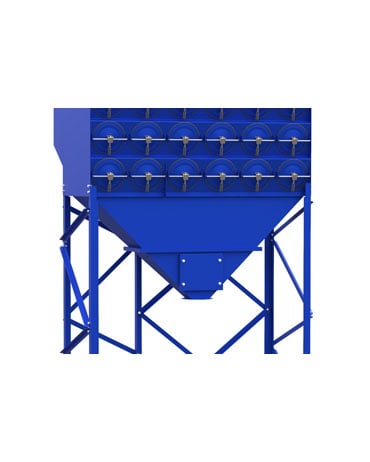
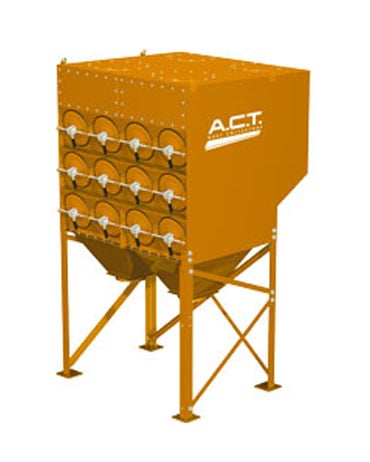
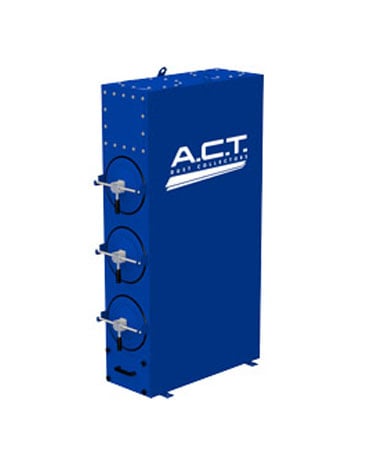
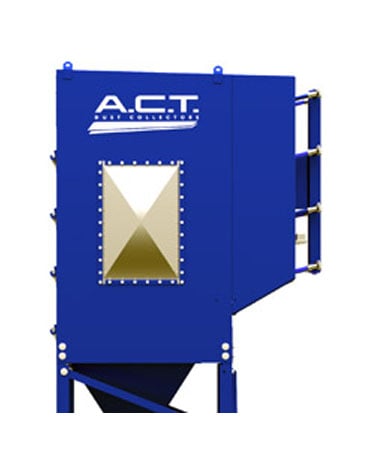
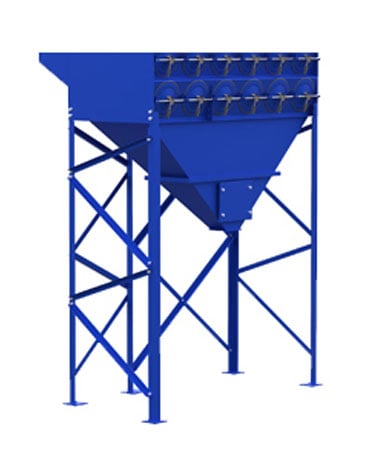
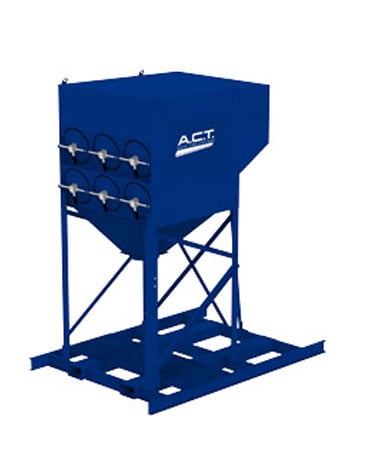
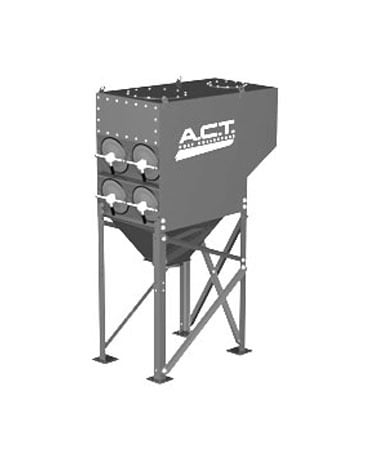

An international tire manufacturer needed to improve air quality and emissions control during a rubber production process. At a key stage in manufacturing, airborne compounds and odors were being released, creating challenges for both workplace conditions and environmental control.
A.C.T. Dust Collectors provided a solution designed to capture particulate before downstream VOC treatment, supporting a more effective overall pollution control system.
Project Snapshot
- Industry: Tire / rubber manufacturing
- Application: Particulate removal in rubber processing
- Challenge: Airborne compounds and odor affecting air quality
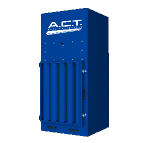
- System Installed: ACT 4-48 cartridge dust collector
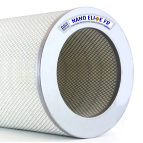
- Filtration: Nano-Elite MERV 15 cartridge filters
- System Role: Pre-filtration before regenerative thermal oxidizer (RTO)
- Outcome: Improved air quality and system integration
The Challenge: Air Quality and Emissions in Rubber Processing
During rubber manufacturing, certain processes can release airborne compounds, particulate, and odor into the environment.
In this case:
- The manufacturer experienced poor air quality within the facility
- Emissions needed to be controlled before entering downstream systems
- The process required particulate removal prior to a regenerative thermal oxidizer (RTO)
Without proper filtration, particulate can impact the performance and efficiency of VOC treatment systems.
The Solution: Cartridge Dust Collection for Pre-Filtration
After evaluating the application, A.C.T. Dust Collectors recommended:
- ACT 4-48 cartridge dust collector
- Equipped with Nano-Elite MERV 15 cartridge filters
This system was designed to:
- Capture particulate from the airstream
- Support upstream filtration before VOC removal
- Integrate into a broader emissions control process
By removing particulate before the air reached the thermal oxidizer, the system helped ensure more effective downstream treatment of VOCs and odors.
Learn more about MERV ratings here.
System Integration with VOC Control
The dust collection system was installed as part of a larger pollution control strategy.
- Positioned upstream of a regenerative thermal oxidizer (RTO)
- Helped protect and support the performance of the oxidizer
- Enabled more efficient handling of volatile organic compounds (VOCs)
This configuration ensured that both particulate and gaseous emissions were addressed within the process.
Installation & Performance
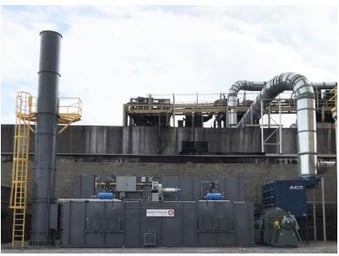
The system was installed outside of the facility and integrated into the existing process.
Key Outcomes:
- Improved air quality within the facility
- Effective capture of particulate before VOC treatment
- Smooth system operation following installation
- Successful integration into a multi-stage emissions control system
The customer reported that the system performed reliably and met the needs of the application.
Why Pre-Filtration Matters in Emissions Control Systems
In applications involving VOC treatment, particulate removal plays a critical role.
Pre-filtration helps:
- Protect downstream equipment such as thermal oxidizers
- Improve overall system efficiency
- Reduce maintenance and operational challenges
- Support compliance with air quality and emissions standards
A properly designed dust collection system ensures that emissions control systems operate as intended.
Work with A.C.T. Dust Collectors
If your process involves rubber manufacturing, VOC control, or emissions management, A.C.T. Dust Collectors can design a system to improve air quality and support your operation.
Contact our team to discuss a solution for your facility today.
Frequently Asked Questions
What types of emissions are produced during rubber manufacturing?
Rubber manufacturing processes can produce airborne particulate, compounds, and odors. These emissions may include fine dust and volatile organic compounds (VOCs), which require proper filtration and treatment to maintain air quality.
What is the role of a dust collector in VOC control systems?
A dust collector removes particulate from the airstream before it reaches VOC treatment systems such as thermal oxidizers. This pre-filtration step helps improve the efficiency and performance of downstream emissions control equipment.
What is a regenerative thermal oxidizer (RTO)?
A regenerative thermal oxidizer (RTO) is a system used to remove volatile organic compounds (VOCs) and odors from industrial exhaust streams by using high temperatures to break down pollutants.
Why are cartridge dust collectors used in manufacturing applications?
Cartridge dust collectors are commonly used in manufacturing because they provide high-efficiency filtration for fine particulate. They are compact, effective, and suitable for applications where consistent air quality and system integration are required.
.png?width=240&height=91&name=ACT%20Dust%20Collectors%20Logo%20Solid%20White%202020%20(1).png "ACT Dust Collectors Logo Solid White 2020-2")
.png?width=148&height=149&name=usa-manufactured-dust-collectors%20(1).png "United States Flag")