



.svg)
















%20Collectors%20Image.png?width=143&height=143&name=ADC%20(Ambient)%20Collectors%20Image.png)
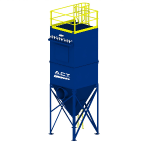
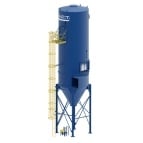
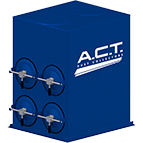
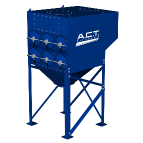
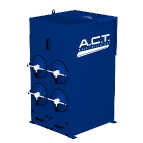

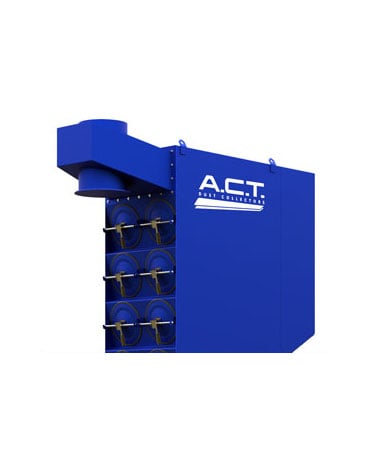
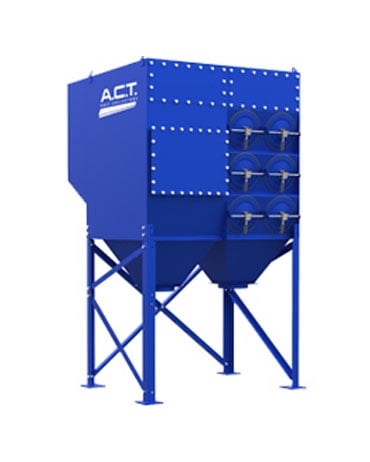
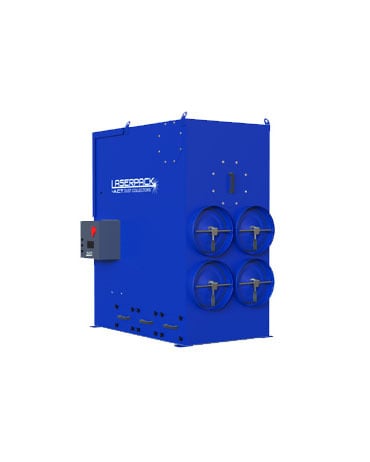
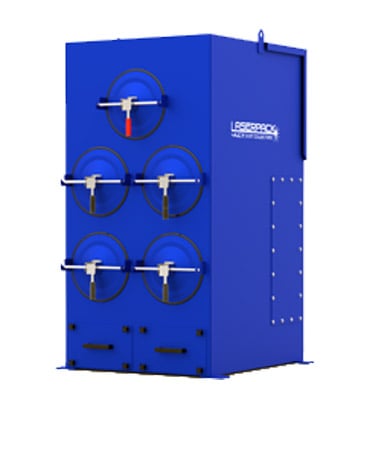
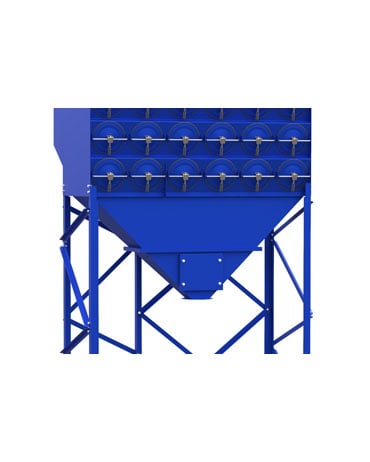
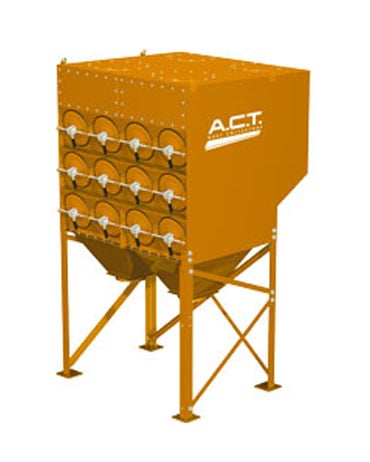
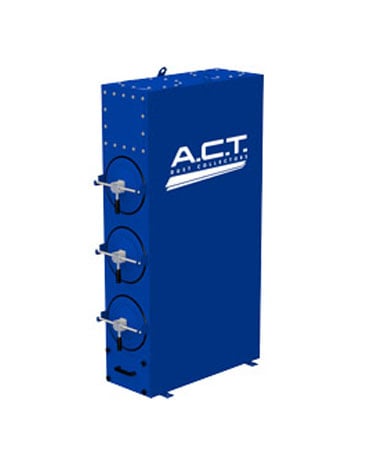
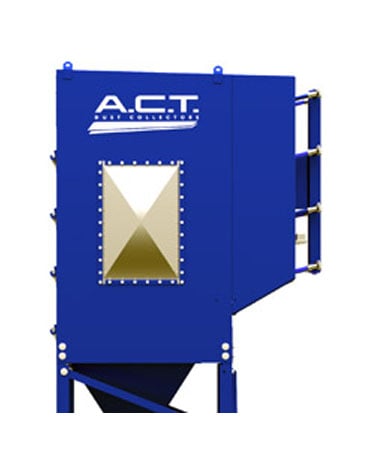
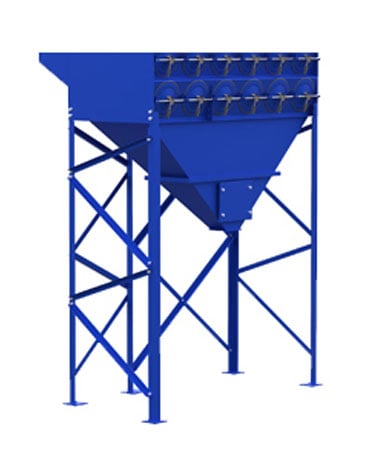
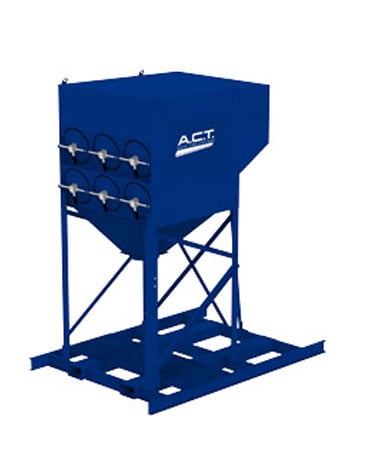
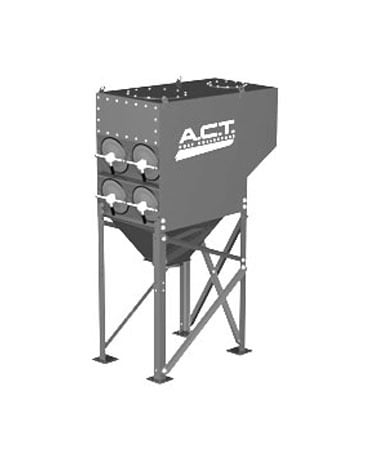

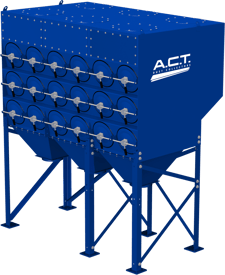
A Tier 1 automotive supplier needed a robotic welding fume extraction system after relocating a production welding line to a new facility. The project required a complete solution to be designed, delivered, and operational in less than four weeks while maintaining production schedules and ensuring clean air from day one.
A.C.T. Dust Collectors leveraged its engineering expertise and ready-to-ship inventory to provide a high-performance welding fume collection system that met the aggressive timeline and delivered reliable long-term results.
Project Snapshot
Industry: Automotive manufacturing
Application: Robotic welding fume extraction
Location: United States
Challenge: Four-week project timeline and galvanized welding fumes
Dust Type: Zinc oxide fumes, welding smoke, and oily particulate
System Installed: ACT 3-36 cartridge dust collector
Outcome: Delivered in under four weeks with zero production downtime
The Challenge: Galvanized Welding Fumes and Aggressive Deadlines
The customer was relocating a robotic welding line used to weld galvanized, oil-coated automotive components. These materials create a particularly challenging fume collection application.
Galvanized welding occurs when zinc-coated steel is welded together. During the welding process, the zinc coating vaporizes and creates fine zinc oxide particulates. At the same time, residual oils on the material can generate oily airborne contaminants that accelerate filter loading.
In this operation:
- The welding line needed to be operational within four weeks
- Welding generated zinc oxide fumes and oily particulate
- Existing production schedules could not be interrupted
- Air quality needed to be maintained from startup
- The system needed to support future production growth
The customer required a welding fume extraction system that could be delivered quickly while providing reliable performance in a demanding manufacturing environment.
The Solution: ACT 3-36 Dust Collection System
Having successfully used A.C.T. Dust Collectors at other facilities, the customer partnered with A.C.T. again for the relocation project.
The engineering team conducted a detailed evaluation that included:
- Measuring robotic welding cell layouts
- Calculating airflow requirements
- Reviewing duct routing options
- Designing a source-capture solution for galvanized welding applications
The system included:
- ACT 3-36 cartridge dust collector
- High-efficiency MERV 15 filtration
- Venturi-assisted pulse cleaning system
- Quick-access maintenance doors
The system was selected for its:
- Ability to capture fine welding fumes effectively
- Proven performance in robotic welding applications
- Long filter life and reduced maintenance requirements
- Immediate availability through ready-to-ship inventory
Because the ACT 3-36 was in stock, the system shipped quickly and arrived within the required project timeline.
Installation & Performance
The customer's maintenance team completed the installation with technical support from A.C.T.'s engineering staff.
Outcomes:
- Delivered and operational in less than four weeks
- Effective capture of galvanized welding fumes
- Zero production downtime related to air quality issues
- Long filter life with minimal pressure increase
- Reliable operation from startup through ongoing production
More than a year after commissioning, the system continues operating on its original cartridge filters while maintaining stable pressure and airflow performance.
Dust Collection for Robotic Welding Applications
Robotic welding facilities require dust collection systems that can:
- Capture fumes directly at the welding source
- Handle fine zinc oxide particulate
- Manage oily contaminants generated during welding
- Support continuous production schedules
- Maintain consistent airflow and filtration performance
Proper source capture is especially important in automated welding environments because fumes can spread quickly throughout the facility if not collected immediately.
Well-designed robotic welding dust collection systems help improve air quality, reduce maintenance requirements, and support long-term production reliability.
Work with A.C.T. Dust Collectors
If your facility operates robotic welding cells or is planning a production line relocation, A.C.T. Dust Collectors can design a welding fume extraction system tailored to your operation. Contact our team to discuss the right solution for your facility.
Frequently Asked Questions
What is a robotic welding fume extraction system?
A robotic welding fume extraction system is designed to capture and filter welding smoke, fumes, and airborne metal particulate generated by automated welding cells. These systems remove contaminants directly at the source before they can spread throughout the facility.
Why are galvanized welding fumes difficult to collect?
Galvanized welding fumes are difficult to collect because welding zinc-coated steel produces extremely fine zinc oxide particulates that can remain suspended in the air. In many automotive applications, residual oils on components can also create oily contaminants that increase filter loading.
Challenges often include:
- Fine zinc oxide particulate
- Oily airborne contaminants
- High fume generation rates
- Continuous robotic production
- Demanding airflow requirements
Effective source capture and proper filtration are critical for controlling these emissions.
What is zinc oxide fume?
Zinc oxide fume is a fine airborne particulate created when zinc-coated steel is heated during welding. As the zinc coating vaporizes, it condenses into microscopic particles that become suspended in the air.
These fumes are commonly generated during galvanized steel welding and require effective ventilation and filtration to maintain workplace air quality.
Why is filter life important in robotic welding applications?
Filter life is important in robotic welding applications because production lines often operate continuously and require dependable airflow performance. Frequent filter changes increase maintenance costs and can disrupt operations.
Long filter life provides benefits such as:
- Reduced maintenance labor
- Lower operating costs
- Consistent airflow performance
- Fewer production interruptions
- Improved system reliability
Proper system sizing and filter selection help maximize filter lifespan.
How do you size a robotic welding dust collection system?
Sizing a robotic welding dust collection system involves evaluating welding processes, airflow requirements, duct design, and particulate characteristics. Engineers calculate the airflow needed to capture fumes effectively while maintaining proper transport velocities throughout the system.
Design considerations often include:
- Number of robotic welding cells
- Welding materials and coatings
- Airflow requirements (CFM)
- Duct routing and static pressure
- Filter media selection
- Future production expansion plans
Proper sizing helps ensure effective fume capture, long filter life, and reliable long-term performance.

.png?width=240&height=91&name=ACT%20Dust%20Collectors%20Logo%20Solid%20White%202020%20(1).png "ACT Dust Collectors Logo Solid White 2020-2")
.png?width=148&height=149&name=usa-manufactured-dust-collectors%20(1).png "United States Flag")