



.svg)



















%20Collectors%20Image.png?width=143&height=143&name=ADC%20(Ambient)%20Collectors%20Image.png)
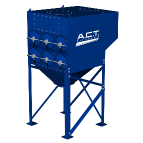
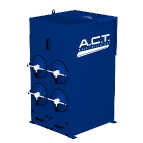

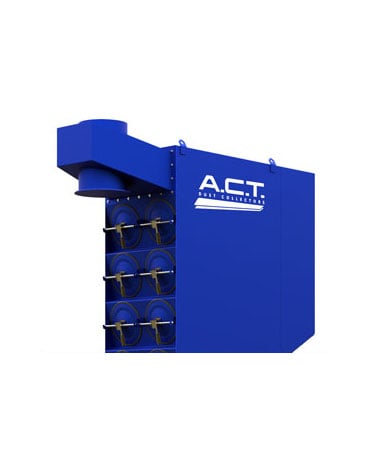
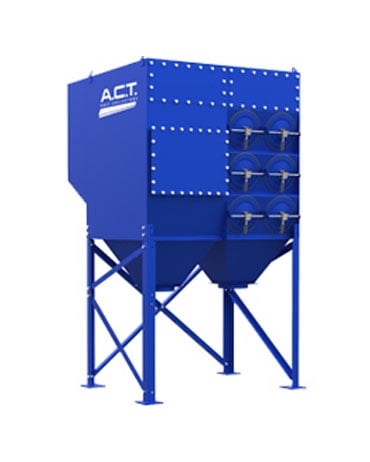
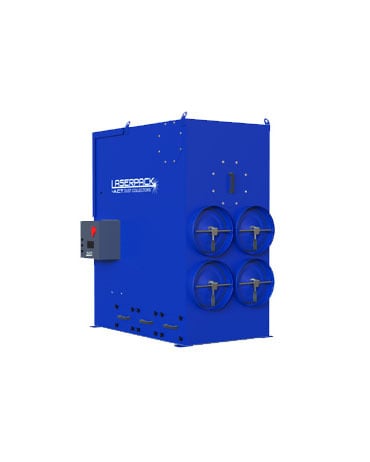
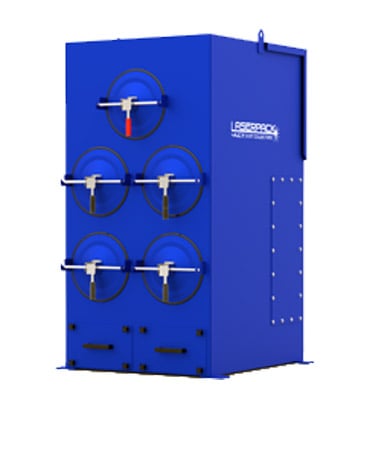
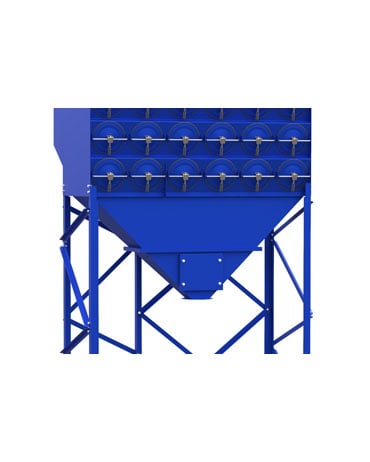
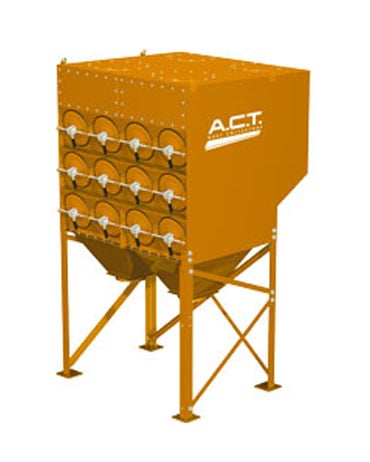
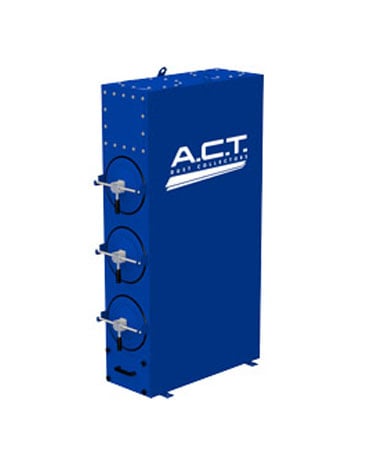
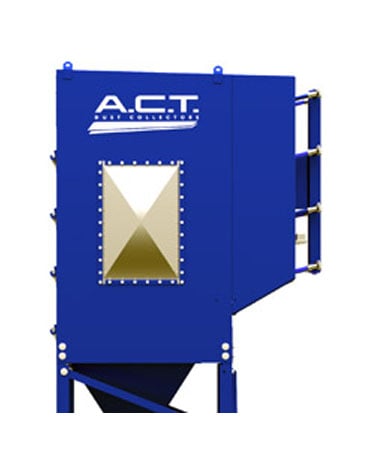
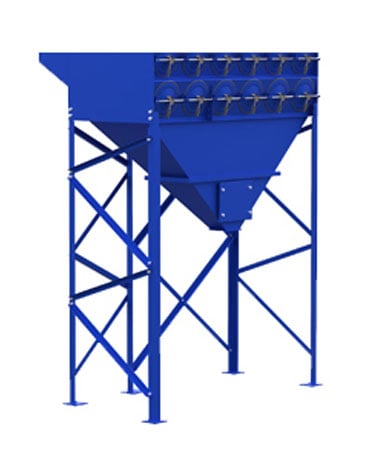
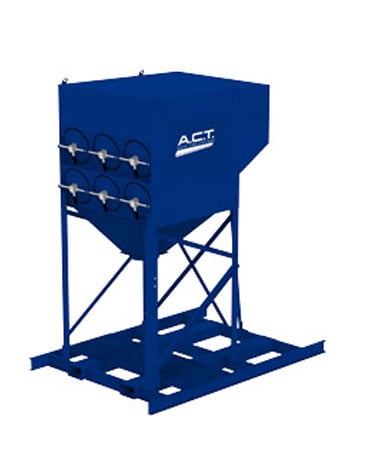
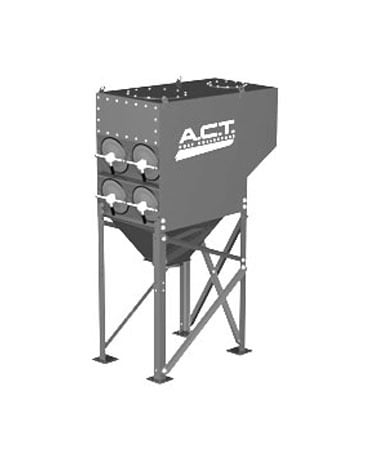
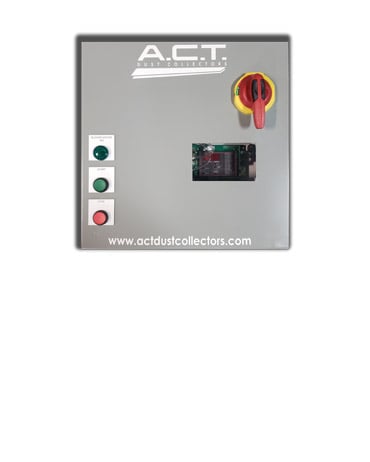
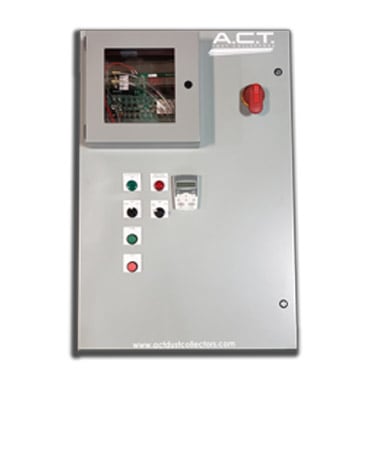
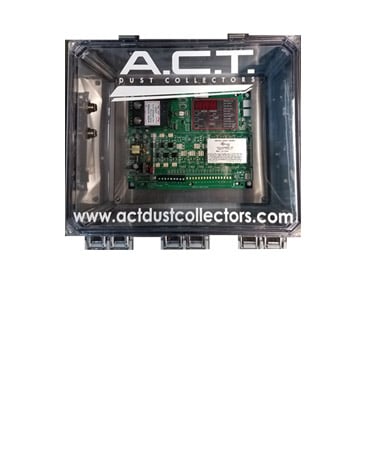
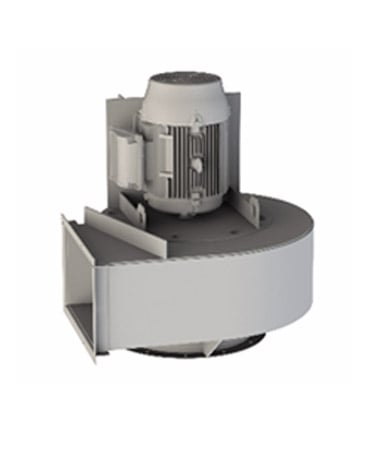

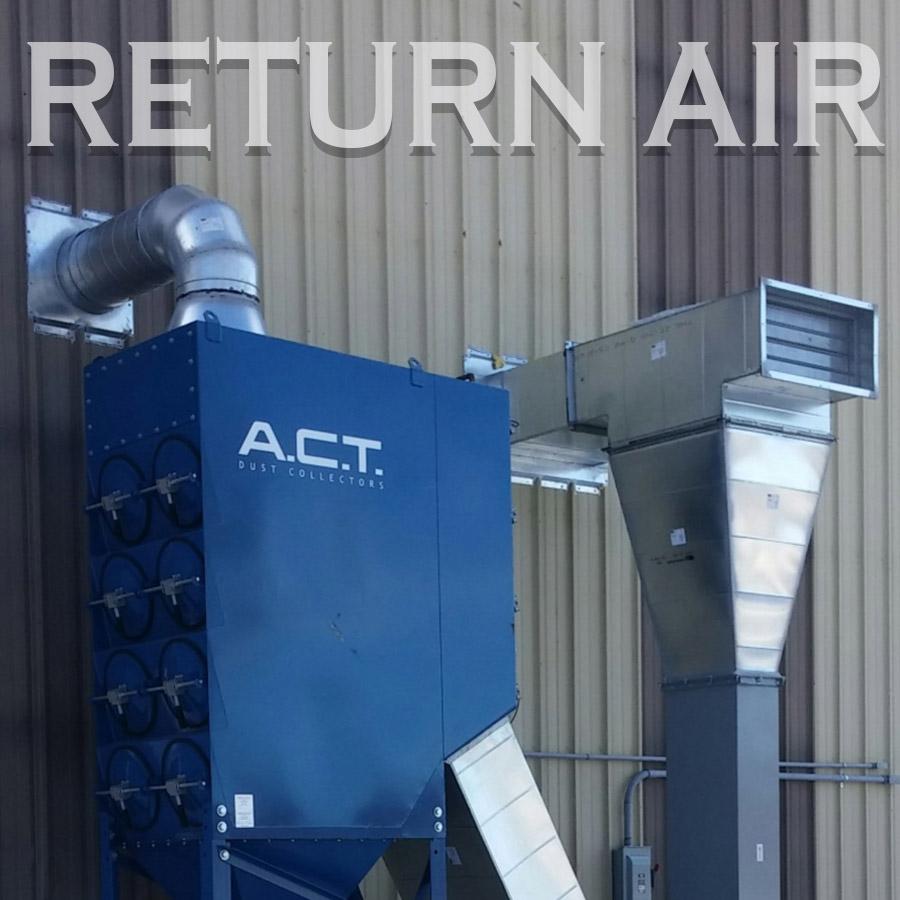
A manufacturing facility using a plasma cutting table needed a dust collection system that could improve air quality while helping manage seasonal ventilation demands. The facility wanted to maximize fresh air during warmer months while conserving heat during winter operations.
A.C.T. Dust Collectors designed a system that combined effective plasma cutting filtration with flexible air return control for year-round efficiency.
Project Snapshot
Industry: Metal fabrication / manufacturing
Application: Plasma cutting dust and fume collection
Location: Northern United States
Challenge: Balancing ventilation and heat conservation
Dust Type: Metal particulate and plasma cutting fumes
System Installed: A.C.T. dust collection system with Summer/Winter diverter
Outcome: Improved ventilation and reduced energy loss
The Challenge: Plasma Cutting Ventilation in Cold Climates
Plasma cutting is a metal fabrication process that uses a high-temperature plasma arc to cut conductive metals such as steel. This process generates fine particulate and fumes that must be captured to maintain safe air quality.
In this operation:
- Plasma cutting generated airborne metal particulate and fumes
- The facility needed effective ventilation year-round
- Winter heat loss was a major concern
- The building needed to avoid negative air pressure
Plasma cutting fumes may contain hazardous contaminants, including hexavalent chromium, depending on the material being processed. Proper dust collection and ventilation are critical for maintaining safe working conditions.
The customer needed a system that could provide effective filtration while adapting to seasonal airflow requirements.
The Solution: Dust Collection System with Summer/Winter Diverter
After reviewing the application, A.C.T. Dust Collectors recommended a system equipped with a Summer/Winter diverter to control filtered air discharge.
The system included:
- Industrial dust collection system for plasma cutting
- Summer/Winter diverter damper
- Configurable indoor or outdoor filtered air discharge
The system was selected for its:
- Ability to capture plasma cutting fumes effectively
- Flexible ventilation control throughout the year
- Reduced heating loss during winter months
- Improved comfort within the facility
During winter operation, filtered air is redirected back into the building to conserve heated air. During warmer months, the system can discharge filtered air outdoors to increase fresh air ventilation.
Installation & Performance
The dust collection system was integrated into the plasma cutting operation with seasonal airflow control built into the design.
Outcomes:
- Effective filtration of plasma cutting fumes and particulate
- Improved indoor air quality
- Reduced energy loss during winter operation
- Better ventilation and airflow control year-round
The combination of filtration and controlled air return helped create a more comfortable and energy-efficient work environment.
Dust Collection for Plasma Cutting Applications
Plasma cutting applications require dust collection systems that can:
- Capture fine particulate and hazardous fumes
- Maintain proper airflow near cutting tables
- Support ventilation requirements in manufacturing facilities
- Adapt to seasonal heating and cooling demands
Proper filtration and airflow management are critical for maintaining safe air quality and efficient facility operation.
Work with A.C.T. Dust Collectors
If your facility operates plasma cutting equipment or needs better ventilation control, A.C.T. Dust Collectors can design a system tailored to your operation. Talk to our team to find the right solution for your facility.
Frequently Asked Questions
What is a plasma cutting dust collection system?
A plasma cutting dust collection system is designed to capture and filter airborne particulate and fumes generated during plasma cutting processes. These systems help maintain air quality, protect workers, and improve visibility in metal fabrication environments.
Proper dust collection also helps reduce dust buildup and supports safer facility operation.
Why are plasma cutting fumes hazardous?
Plasma cutting fumes are hazardous because the high-temperature cutting process vaporizes metal and releases fine particulate and gases into the air. Depending on the material being cut, these fumes may contain hazardous substances such as hexavalent chromium.
Effective dust collection and ventilation help reduce worker exposure and maintain safer air quality within the facility.
What is a Summer/Winter diverter in a dust collection system?
A Summer/Winter diverter is a damper system that controls whether filtered air is returned to the building or discharged outdoors. During winter, filtered air can be recirculated to conserve heated air and reduce energy costs.
During warmer months, the diverter can redirect filtered air outside to increase fresh air ventilation within the facility.
Why is negative air pressure a problem in manufacturing facilities?
Negative air pressure is a problem in manufacturing facilities because it occurs when more air is exhausted than replaced. This can pull unconditioned outdoor air into the building through doors and openings, creating uncomfortable working conditions and increasing heating or cooling costs.
Proper ventilation design helps maintain balanced airflow and consistent indoor comfort.
How do you design a dust collection system for seasonal ventilation changes?
Designing a dust collection system for seasonal ventilation changes involves evaluating airflow requirements, facility layout, and climate conditions. Systems may include diverters or dampers that allow filtered air to be recirculated during cold weather or exhausted outdoors during warmer months.
This approach helps maintain air quality while improving energy efficiency throughout the year.
.png?width=240&height=91&name=ACT%20Dust%20Collectors%20Logo%20Solid%20White%202020%20(1).png "ACT Dust Collectors Logo Solid White 2020-2")
.png?width=148&height=149&name=usa-manufactured-dust-collectors%20(1).png "United States Flag")