



.svg)


















%20Collectors%20Image.png?width=143&height=143&name=ADC%20(Ambient)%20Collectors%20Image.png)
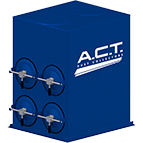
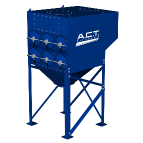
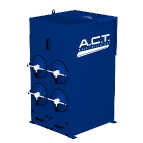

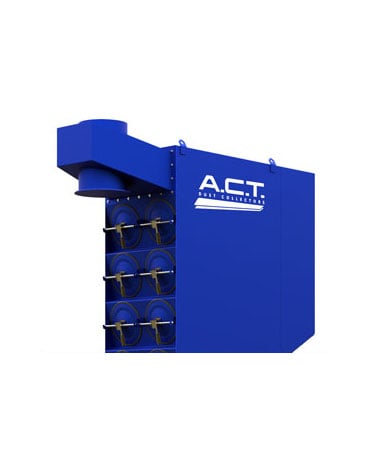
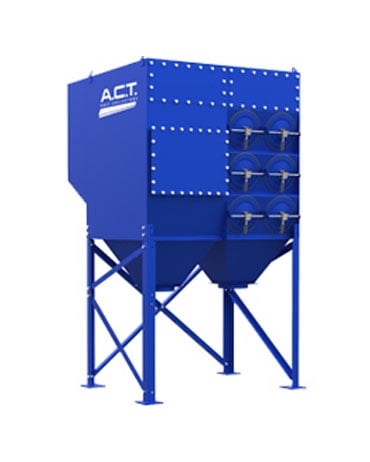
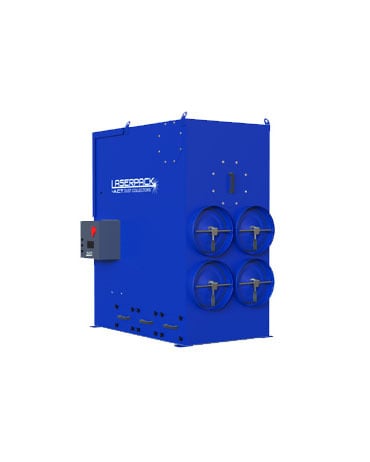
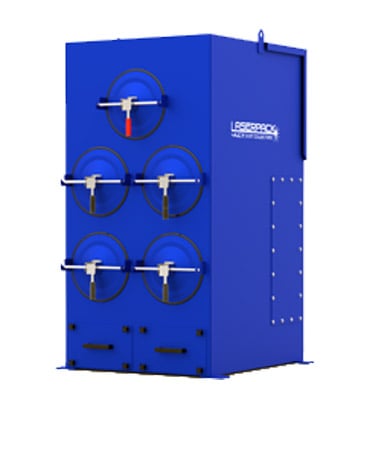
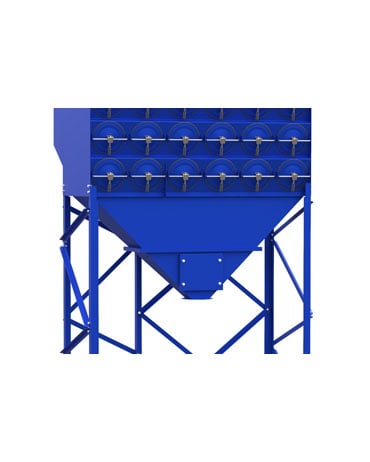
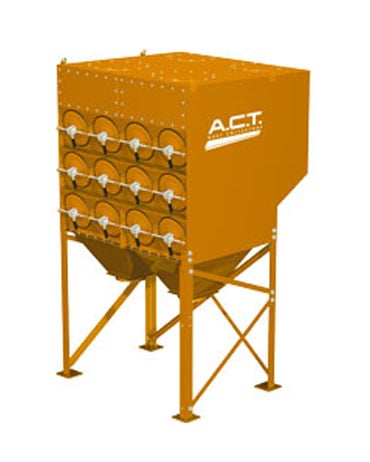
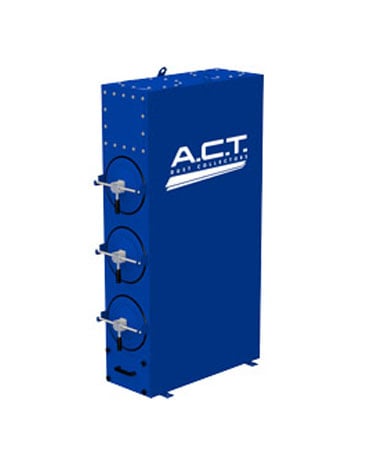
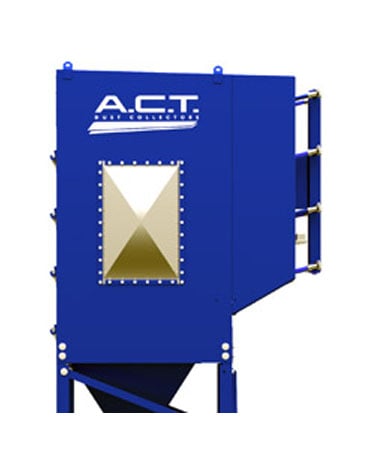
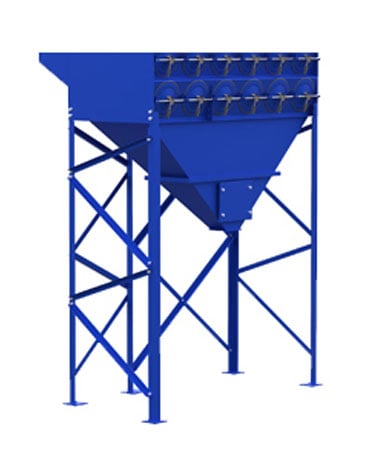
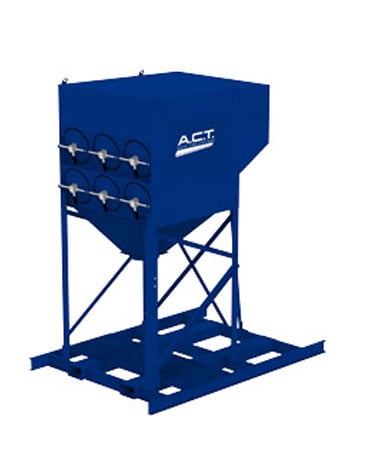
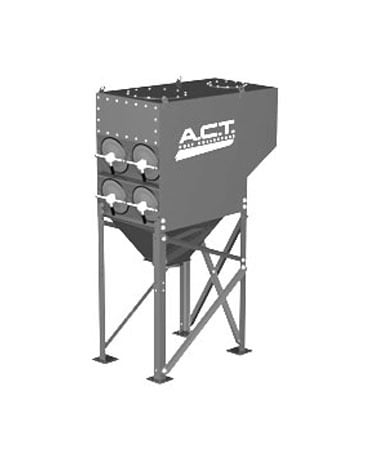
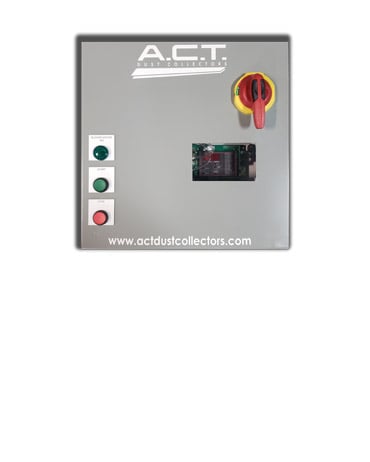
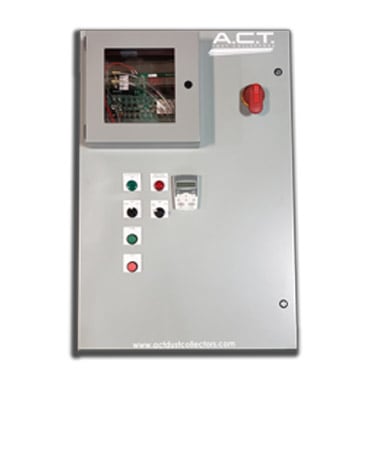

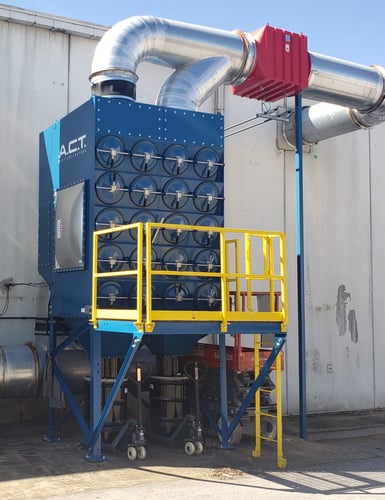
A large snack food manufacturer needed a food processing dust collection system to improve air quality and meet current safety standards. Their production process generated dust from ingredients like sugar and flour, creating both air quality concerns and potential explosion risks.
A.C.T. Dust Collectors provided a solution designed to capture combustible dust, support safe operations, and meet NFPA compliance requirements.
Project Snapshot
- Industry: Food processing / snack manufacturing
- Application: Sugar and flour dust collection
- Challenge: Failing system and lack of NFPA compliance
- Dust Type: Combustible dust (sugar and flour)
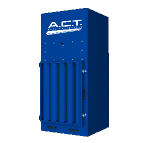
- System Installed: ACT 5-40 dust collector
- Airflow Capacity: 18,500 CFM (75 HP fan)
- Safety Features:
- Explosion vent
- Explosion isolation valve
- Explosion-rated drum kits
- Controls: Variable Frequency Drive (VFD)
- Outcome: Improved safety, compliance, and system reliability
The Challenge: Combustible Dust and Compliance in Food Processing
Food processing environments often generate combustible dust from ingredients such as sugar and flour.
In this facility:
- Dust was produced during mixing and processing
- Sugar dust presented a potential explosion hazard
- The existing dust collection system was failing
- The system did not meet current NFPA regulations for explosion protection
The manufacturer needed a solution that would improve air quality while addressing critical safety and compliance requirements.
The Solution: Compliant Dust Collection with Explosion Protection
After a site evaluation, A.C.T. Dust Collectors recommended:
- ACT 5-40 dust collection system
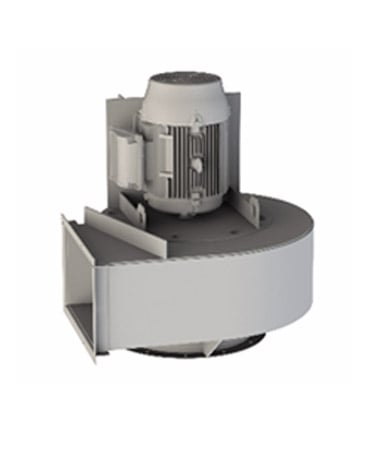
- Designed for 18,500 CFM airflow with a 75 HP fan
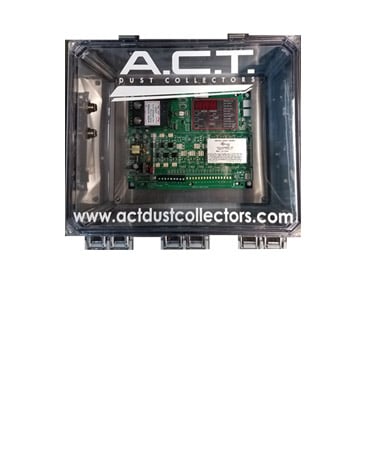
- Equipped with a Variable Frequency Drive (VFD) for airflow control
To meet NFPA compliance requirements, the system included:
- Explosion venting
- Explosion isolation valve
- Explosion-rated drum kits
Additional features:
- Filter access platform for easier maintenance and filter changeouts
This configuration ensured the system could safely capture combustible dust while supporting ongoing production needs.
Installation Without Production Disruption
The dust collection system was installed without interrupting the facility’s operations.
- No downtime for production lines
- Seamless integration into the existing process
- Immediate improvement in system performance
Maintaining production continuity was a key requirement, and the installation met those expectations.
Results: Improved Safety, Compliance, and Performance
The new system delivered measurable operational improvements:
- Improved air quality within the facility
- Effective capture of sugar and flour dust
- Compliance with NFPA explosion protection requirements
- Reliable system performance
- Easier maintenance with improved access
The customer reported satisfaction with both the performance of the system and the installation process, and additional systems are being considered for other production lines.
Why Dust Collection Is Critical in Food Processing
Dust collection systems play a critical role in food manufacturing because they:
- Capture airborne dust from ingredients such as powders, starches, and dry food materials
- Reduce the risk of combustible dust incidents
- Support compliance with NFPA standards
- Improve air quality for workers
- Maintain consistent production conditions
Properly designed systems help ensure both safety and operational efficiency.
Work with A.C.T. Dust Collectors
If your facility is dealing with food processing dust, combustible dust risks, or compliance requirements, A.C.T. Dust Collectors can design a system tailored to your application. Contact our team to find the right dust collection solution for your operation.
Frequently Asked Questions
What types of dust are common in food processing facilities?
Food processing facilities commonly generate dust from ingredients such as flour, sugar, spices, and powders. These materials can become airborne during mixing, conveying, and packaging processes and may require dust collection for safety and air quality control.
Is sugar dust considered hazardous?
Yes. Sugar dust is considered a combustible dust and can present an explosion risk under certain conditions. Proper dust collection and explosion protection measures are important to reduce this risk and maintain a safe working environment.
What is NFPA compliance in dust collection systems?
NFPA compliance refers to meeting safety standards set by the National Fire Protection Association for handling combustible dust. This often includes equipment such as explosion vents, isolation valves, and properly designed dust collection systems.
Why are explosion protection features important in dust collection?
Explosion protection features help prevent or mitigate the effects of combustible dust incidents. Components like explosion vents and isolation valves are designed to manage pressure and prevent the spread of an event through connected equipment.

.png?width=240&height=91&name=ACT%20Dust%20Collectors%20Logo%20Solid%20White%202020%20(1).png "ACT Dust Collectors Logo Solid White 2020-2")
.png?width=148&height=149&name=usa-manufactured-dust-collectors%20(1).png "United States Flag")