



.svg)



















%20Collectors%20Image.png?width=143&height=143&name=ADC%20(Ambient)%20Collectors%20Image.png)
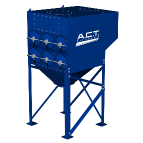
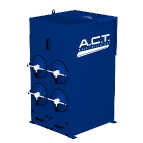

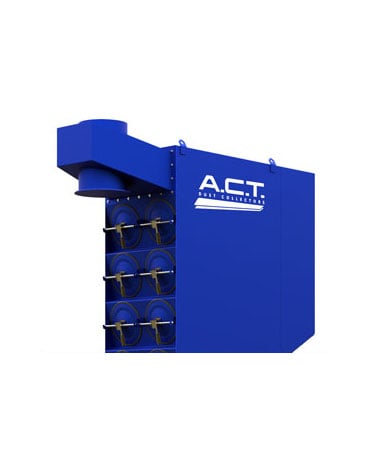
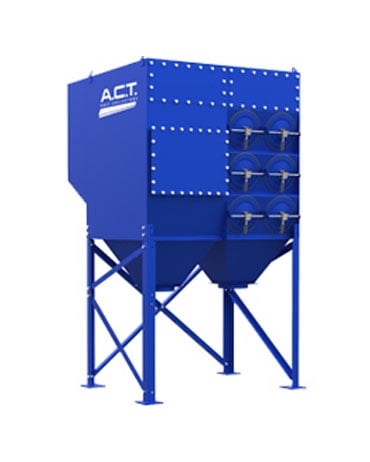
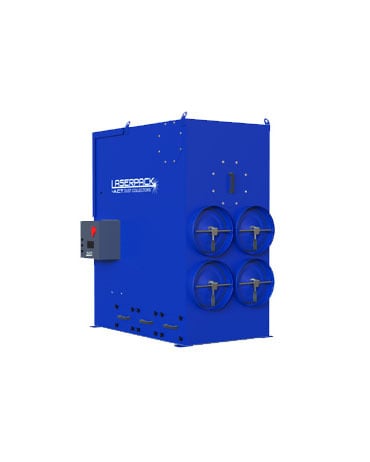
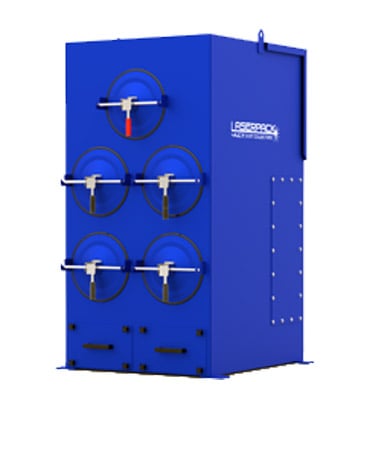
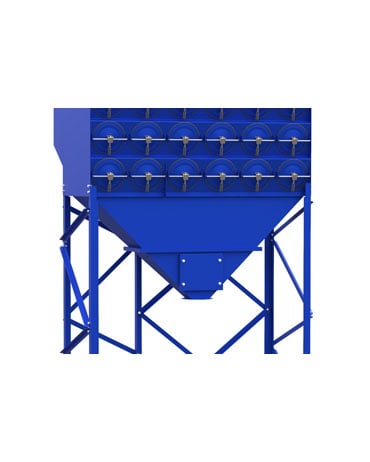
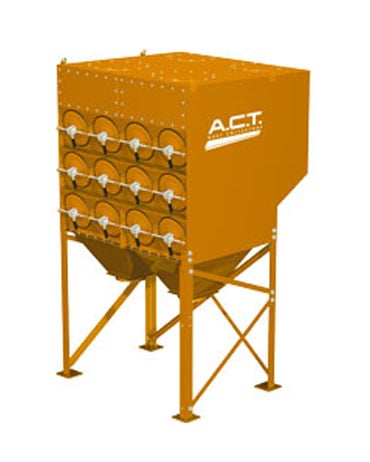
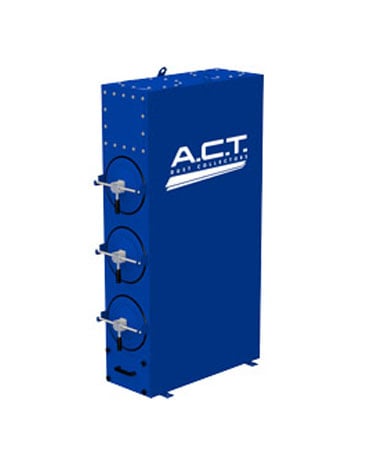
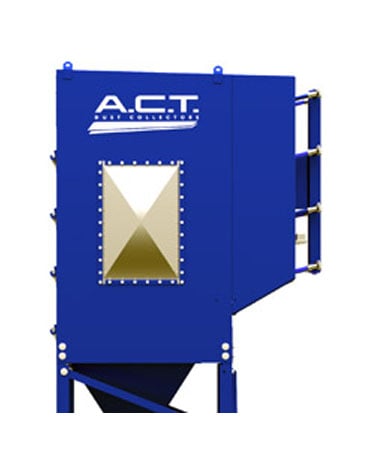
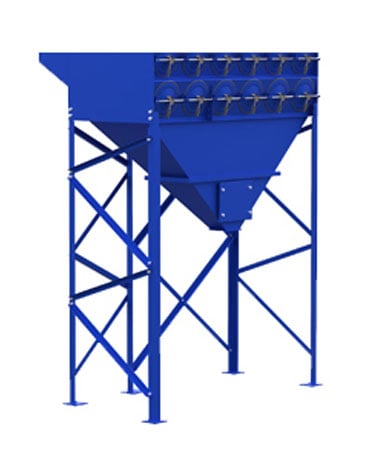
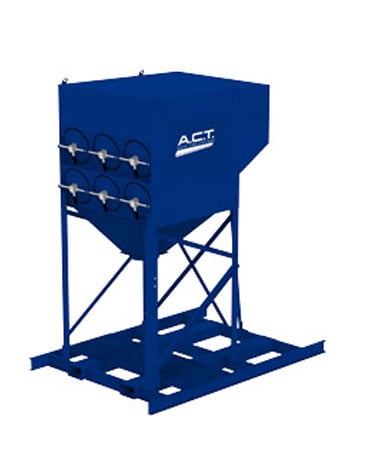
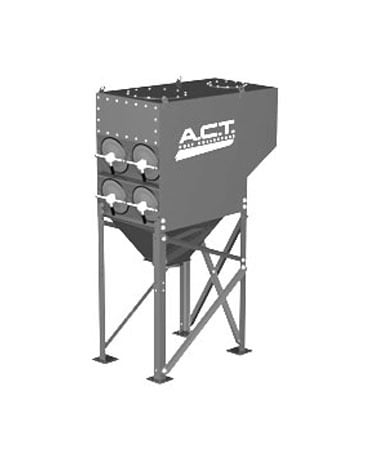
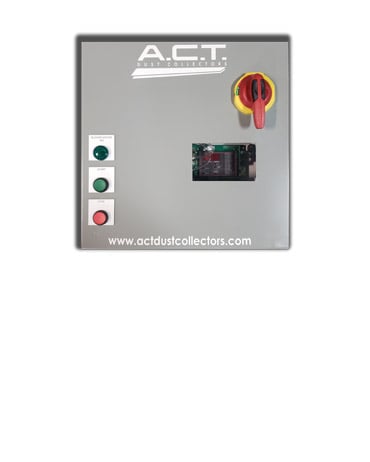
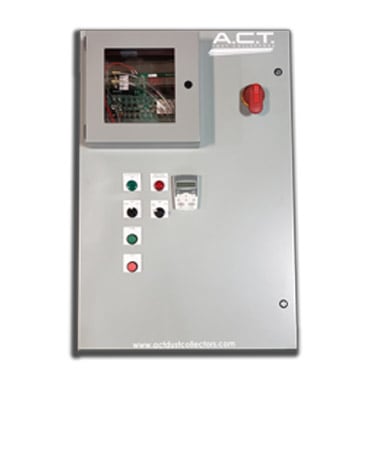
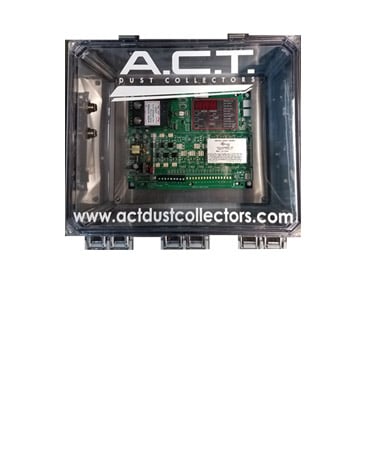
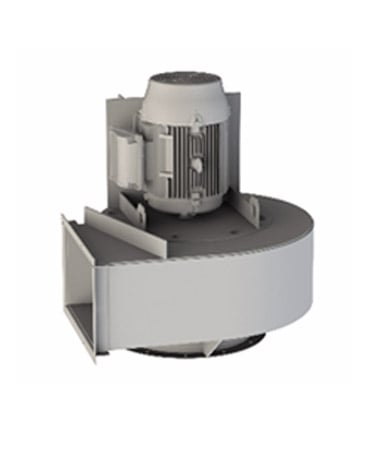

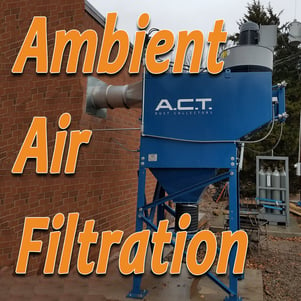
A company that builds and refurbishes machinery for the lumber industry needed to improve air quality within its manufacturing facility. The original plan focused on weld fume collection in a single area, but further evaluation revealed broader air filtration challenges throughout the shop.
A.C.T. Dust Collectors designed an ambient air filtration solution that improved overall air quality while helping the facility maintain a more comfortable working environment.
Project Snapshot
Industry: Lumber industry equipment manufacturing
Application: Ambient air filtration and weld fume control
Location: North Carolina
Challenge: Poor facility-wide air quality and ventilation limitations
Dust Type: Weld smoke and airborne particulate
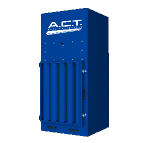
System Installed: ACT 2-8 ambient air filtration system
Outcome: Cleaner air and improved indoor working conditions
The Challenge: Facility-Wide Air Quality Issues
The facility initially planned to install a large hood over a welding area to capture smoke and airborne particulates. However, building constraints made traditional source capture difficult.
In this operation:
- Low ceiling heights limited hood installation options
- An overhead crane system restricted equipment placement
- Welding fumes affected air quality throughout the shop
- Employees relied on open doors for ventilation during winter
Opening doors helped move air through the building, but it also exposed employees to extremely cold temperatures during seasonal weather conditions.
The customer needed a solution that could improve overall air quality without relying on open doors or localized capture systems.
The Solution: Ambient Air Filtration System
After reviewing the facility layout and operational requirements, A.C.T. Dust Collectors recommended an ambient air filtration system designed to clean the air throughout the entire shop.
The system included:
- ACT 2-8 ambient air filtration system
- Facility-wide air circulation and filtration
- Installation designed around existing crane and ceiling constraints
The system was selected for its:
- Ability to filter airborne particulate across a large area
- Flexible installation in space-constrained environments
- Improved indoor air quality without source capture hoods
- Support for year-round facility comfort
Ambient air filtration systems continuously circulate and filter the air within a building, helping remove airborne contaminants that are not captured directly at the source.
Installation & Performance
The ambient air filtration system was installed shortly after the recommendation was approved.
Outcomes:
- Improved air quality throughout the facility
- Reduced reliance on open doors for ventilation
- Cleaner working environment during winter conditions
- More comfortable temperatures for employees
Several months after installation, the customer reported that the facility remained cleaner than before while allowing doors to stay closed during cold weather.
Ambient Air Filtration for Manufacturing Facilities
Ambient air filtration systems are commonly used in manufacturing facilities when:
- Source capture is difficult due to layout limitations
- Multiple processes contribute to airborne particulate
- Crane systems or low ceilings restrict equipment placement
- Facility-wide air quality improvements are needed
These systems help improve overall air circulation and reduce airborne contaminants throughout the workspace.
Proper air filtration can improve employee comfort, visibility, and general cleanliness within industrial environments.
Work with A.C.T. Dust Collectors
If your facility needs improved air quality or ambient air filtration, A.C.T. Dust Collectors can design a system tailored to your operation. Talk to our team to find the right solution for your facility.
Frequently Asked Questions
What is an ambient air filtration system?
An ambient air filtration system is designed to continuously circulate and filter the air within a facility to remove airborne dust, smoke, and particulate. Unlike source-capture systems, ambient filtration cleans the overall air throughout the workspace.
These systems are commonly used in manufacturing environments where contaminants spread across large areas or where direct source capture is difficult.
When should you use ambient air filtration instead of source capture?
Ambient air filtration is often used when source capture systems are impractical due to facility layout, ceiling height limitations, or moving equipment such as overhead cranes. It is also beneficial when airborne particulate spreads throughout the facility instead of remaining concentrated at one source.
How does ambient air filtration improve employee comfort?
Ambient air filtration improves employee comfort by reducing airborne smoke, dust, and particulates throughout the facility. Cleaner air can improve visibility, reduce odors, and create a more comfortable working environment.
These systems may also reduce the need to open doors for ventilation during cold or hot weather, helping maintain more consistent indoor temperatures.
Can ambient air filtration systems reduce heating and cooling costs?
Ambient air filtration systems can help reduce heating and cooling costs by improving indoor air circulation without relying on open doors or excessive outside air ventilation. Facilities can maintain cleaner air while keeping conditioned air inside the building.
This approach can improve energy efficiency and create more stable indoor working conditions throughout the year.
How do you design an ambient air filtration system for a manufacturing facility?
Designing an ambient air filtration system for a manufacturing facility involves evaluating airflow patterns, facility size, contaminant sources, and equipment layout. Engineers determine how air moves through the building and select filtration equipment capable of cleaning the air effectively.
Key design considerations often include:
- Facility square footage and ceiling height
- Airflow circulation patterns
- Types of airborne contaminants
- Equipment placement and crane systems
- Ventilation and temperature control needs
Proper design helps improve air quality while supporting efficient facility operation.

.png?width=240&height=91&name=ACT%20Dust%20Collectors%20Logo%20Solid%20White%202020%20(1).png "ACT Dust Collectors Logo Solid White 2020-2")
.png?width=148&height=149&name=usa-manufactured-dust-collectors%20(1).png "United States Flag")