



.svg)



















%20Collectors%20Image.png?width=143&height=143&name=ADC%20(Ambient)%20Collectors%20Image.png)

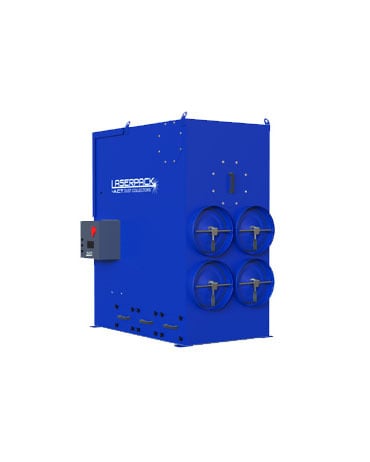
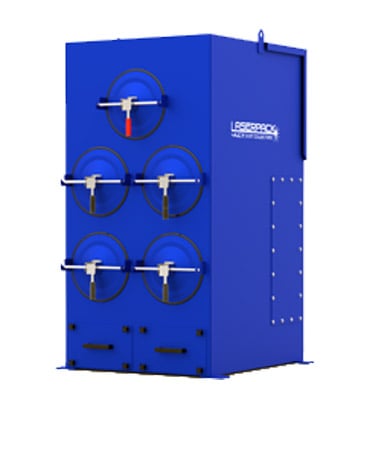
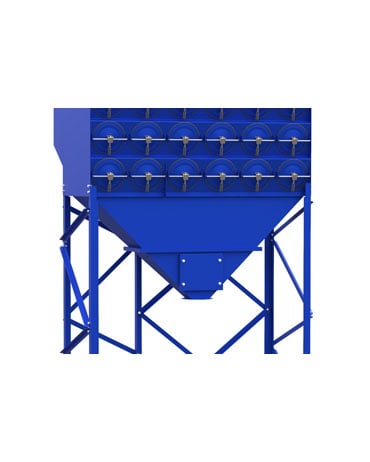
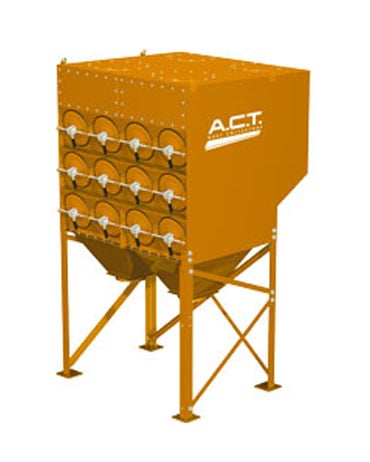
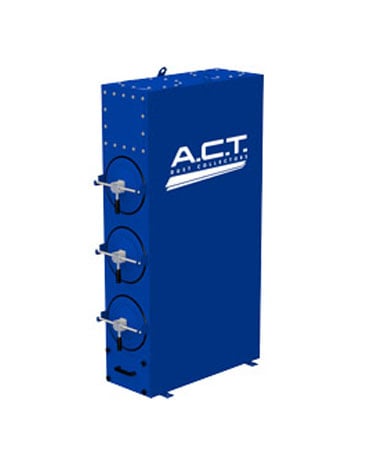
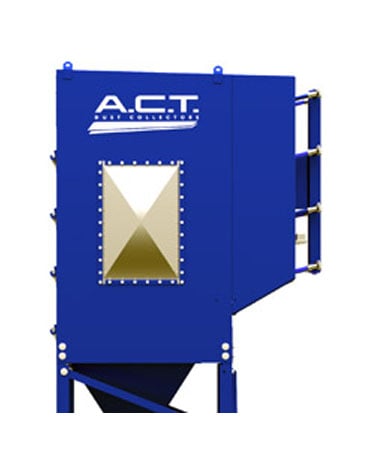
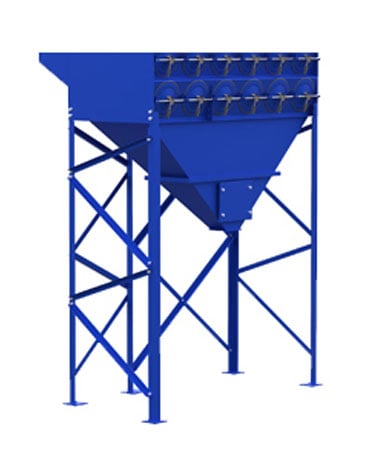
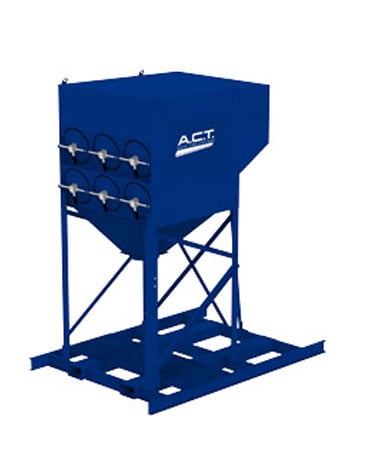
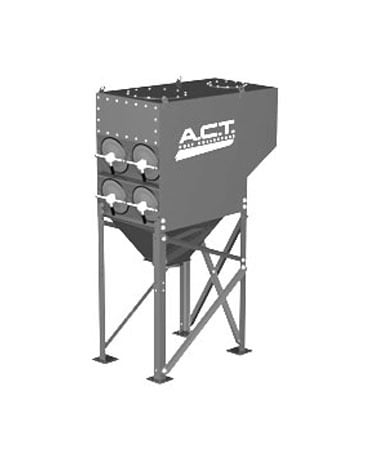
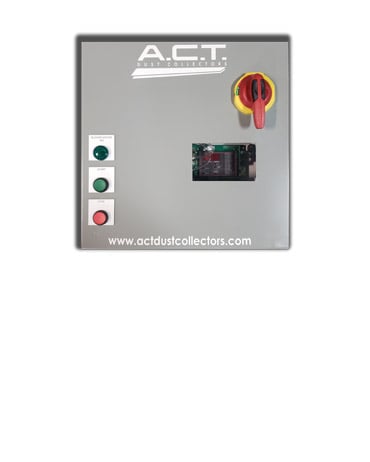
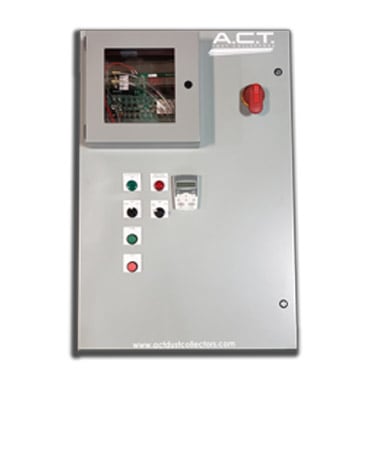
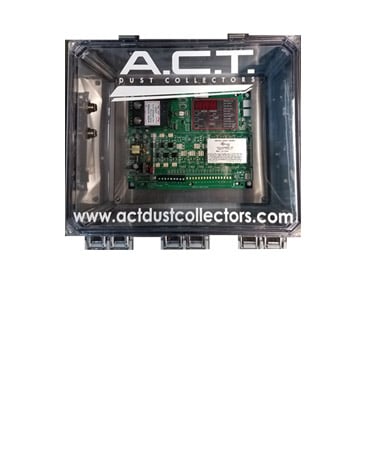


Sustainability in manufacturing is no longer a concept reserved for boardroom presentations or annual reports. It is a shared responsibility, one that spans operations, procurement, environmental performance, and worker safety. The US Environmental Protection Agency defines sustainable manufacturing as creating products through processes that minimize negative environmental impacts while conserving energy and natural resources. That definition puts the production floor right at the center of the conversation.
For industrial manufacturing environments, the stakes are especially real. Facilities running metalworking, laser and plasma cutting, welding, or grinding operations deal with significant volumes of airborne particulates every single day, and these are not just housekeeping concerns. OSHA sets exposure limits, the EPA monitors emissions, and customers increasingly expect responsible environmental practices.
Meeting those expectations starts with the basics, and one of the most fundamental things you can do is control what goes into your air. An effective, correctly specified dust collection system captures airborne particulates and fumes at the source, keeps indoor air clean, and helps your facility stay within the environmental and safety standards that regulators expect.
To help you understand where dust collection fits into your broader sustainability efforts, we have put together this post. We will discuss the connection between dust collection and sustainability, the operational benefits, and why the right system matters for long-term performance.
Why Sustainability is Important in Modern Manufacturing
Manufacturing has always been resource-intensive by nature, but the expectations around how those resources are used have changed significantly. Today, sustainability is treated as an operational priority, not a side initiative, and manufacturers across the US are feeling that pressure from multiple directions.
- Regulatory compliance: OSHA and the EPA set enforceable standards around emissions, air quality, and worker exposure. Non-compliance carries real financial and operational consequences.
- Customer and supply chain expectations: Large buyers and supply chain partners increasingly require sustainability data from the facilities they work with, and that pressure is filtering down to manufacturers of all sizes.
- Cost and operational efficiency: Reducing energy consumption, minimizing waste, and improving material recovery are sustainability practices that also lower operating costs over time.
- Brand reputation and competitive positioning: Companies that can demonstrate responsible environmental practices are better positioned to win contracts, retain talent, and build long-term credibility.
- Long-term business viability: Facilities that continuously improve their environmental performance are better equipped to adapt to changing regulations and market conditions.
Sustainability, in other words, is not about doing less. It is about operating smarter, and for manufacturers dealing with dust-generating processes, that starts with controlling what happens at the source.
What Role Does Dust Collection Play in Sustainable Manufacturing?
Industrial dust collection is one of the more direct ways a manufacturing facility can support its sustainability initiatives. At its core, a dust collection system captures airborne particulates at the source before they can disperse into the workplace or escape into the surrounding environment. Dust collectors help:
- Keep your facility within OSHA permissible exposure limits and aligned with EPA emissions standards
- Reduce worker exposure to airborne contaminants, supporting a healthier and safer production floor
- Prevent dust from escaping into the surrounding environment and triggering regulatory scrutiny
- Support combustible dust safety programs in line with NFPA requirements
It is also worth considering what that airborne dust actually represents. In many manufacturing processes, the material becoming airborne is not just a hazard, it is raw material that has been lost. Metal grinding and cutting operations generate fine metal particulate, woodworking produces wood dust, and food processing facilities deal with flour or grain that has left the process before contributing to a finished product. A dust collection system captures that material before it is gone entirely, and in many operations it can be recovered, reused, or disposed of in a controlled way. The result is better material management and more efficient use of what you have paid for, which connects directly to sustainability strategies focused on minimizing waste at every step of production.
Improving Energy Efficiency With Modern Dust Collection Systems
Energy consumption is a significant part of any manufacturer's sustainability footprint, and dust collection systems run continuously in most production environments.
A well-maintained, properly specified system is designed for energy efficiency, moving the right volume of air with the least power required to do so. A few things make a meaningful difference here:
- Pulse-cleaning technology: Keeping filter media clean maintains low pressure drop, which allows the fan to operate efficiently without working harder than necessary.
- Variable Frequency Drives (VFDs): A VFD allows the fan to match its speed to actual demand rather than running at full power continuously, reducing energy draw during lower-production periods.
- Correct system sizing: An oversized or undersized system wastes energy. Matching the collector to your actual airflow requirements is one of the most straightforward ways to avoid unnecessary power consumption.
Conversely, a system that is poorly maintained or running with loaded filters works harder than it needs to, consuming more power to move the same volume of air. Keeping your system in good condition is as much an energy management decision as it is a maintenance one. A good place to start is tracking the health of your existing unit with a structured routine, and A.C.T.'s dust collector maintenance checklist gives you a practical framework to do exactly that.
Supporting Worker Health and Environmental Responsibility
Sustainability in manufacturing is not only about what happens outside your facility. The environmental and social dimensions of most ESG frameworks include how companies treat the people who work for them, and clean indoor air is a basic component of a safe workplace.
Effective dust collection in industrial environments reduces worker exposure to airborne contaminants, supports a cleaner production floor, and contributes to a working environment where people can do their jobs safely. For industrial facilities across the United States, where industrial operations are dense and regulatory oversight is active, this is particularly important.
For facilities that handle combustible dust, NFPA standards provide detailed guidance on system design and safety requirements. You can find answers to common questions in our dust collection FAQs.
How Dust Collection Supports Long-Term Sustainability Strategies
One of the consistent themes in sustainability strategy is that good environmental practices and good operational practices tend to reinforce each other. Dust collection is a clear example. Here is how it fits into the bigger picture of your sustainability goals:
- Carbon emissions: An energy-efficient dust collection system can reduce the electricity needed to maintain proper airflow, supporting broader facility energy and sustainability goals.
- Operational continuity: Facilities that maintain clean air and efficient systems experience fewer unscheduled stoppages, which supports consistent production performance.
- Competitive positioning: Manufacturers that can document their environmental controls are better positioned with customers and partners who require sustainability data from their supply chains.
The longer-term benefit is that facilities that invest in the right equipment and maintain it properly are continuously improving their performance without constantly reacting to problems. That kind of operational stability is what allows a company to set and meet sustainability commitments year over year.
Why Dust Collection is Essential for Sustainable Manufacturing Operations
Industrial dust collection is not a niche add-on. In most manufacturing environments, it is infrastructure. It runs in the background of every shift, keeping air clean, protecting equipment, reducing emissions, and supporting compliance with both OSHA and environmental regulations. Facilities that treat it that way, and invest in properly sized and maintained systems, tend to operate more cleanly and more efficiently as a result.
Supporting sustainability initiatives does not always require major capital investment. For many facilities, improving existing dust collection performance through better filter media, upgraded controls, or a properly tuned system can deliver meaningful gains in energy efficiency, air quality, and material recovery.
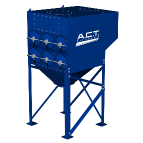
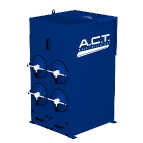
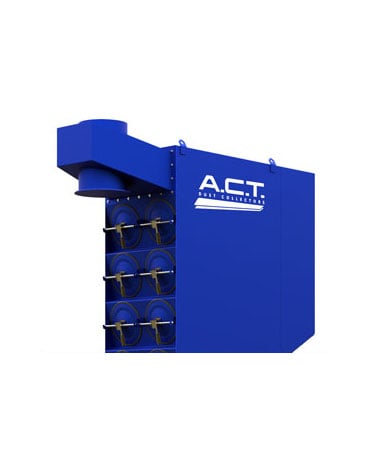
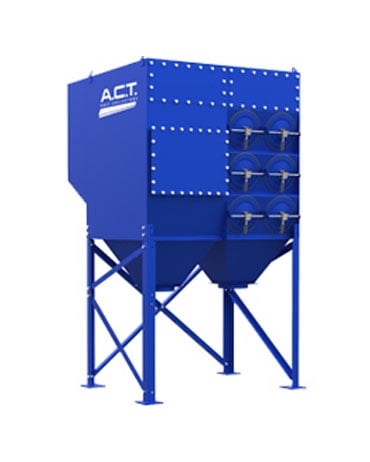
A.C.T. Dust Collectors has been helping manufacturers across the US find the right dust collection solution for their specific application, whether that is metalworking, welding, laser cutting, woodworking, or food processing. Our cartridge dust collectors and TLM baghouse systems are built for demanding industrial environments, and every unit can be configured to match your process, space, and performance requirements. Also, if you need something tailored to your facility, our custom dust collectors are designed and built to spec.
Ready to find the right dust collection system for your facility? Explore A.C.T. Dust Collectors’ dust collection systems and ready-to-ship models to find the best fit for your application, or contact our team today to discuss your specific needs.
FAQs About Sustainability in Manufacturing
What is sustainability in manufacturing?
Sustainable manufacturing means producing goods in a way that does not cost the environment more than necessary. In practical terms, that means managing energy use, reducing waste, controlling emissions, and making sure the people working in your facility are not being harmed by the processes around them.
What manufacturing processes generate the most airborne dust?
Some of the most dust-intensive processes in industrial manufacturing include:
- Metalworking and grinding, which generate fine metal particulate and swarf
- Laser cutting and plasma cutting, which produce fumes and ultrafine particles
- Welding, which releases metal fumes and combustion byproducts
- Woodworking, which creates fine wood dust that can be both a health and a combustible dust hazard
Each of these requires a dust collector that is correctly specified for the type, volume, and characteristics of the dust being produced.
How does dust collection support sustainable manufacturing?
Every time a dust collector captures particulates that would otherwise float through your facility or escape into the surrounding air, it is doing sustainability work. It protects your workers, keeps your emissions in check, helps you stay compliant, and in many cases recovers material that would have otherwise been lost entirely.
Why is air quality important for manufacturing sustainability?
Most people think of sustainability in terms of what leaves a facility, but what stays inside matters just as much. Poor air quality on the production floor affects worker health, drives up compliance risk, and signals that a facility is not fully in control of its processes. Getting dust collection right addresses all of that at once.
Can dust collection systems improve energy efficiency?
Yes, and often more than people expect. A well-maintained collector with clean filters and a properly sized fan does not have to work hard to move air. Add a VFD and the system adjusts its power draw to match actual demand, so you are not burning energy you do not need to.
.png?width=240&height=91&name=ACT%20Dust%20Collectors%20Logo%20Solid%20White%202020%20(1).png "ACT Dust Collectors Logo Solid White 2020-2")
.png?width=148&height=149&name=usa-manufactured-dust-collectors%20(1).png "United States Flag")