
























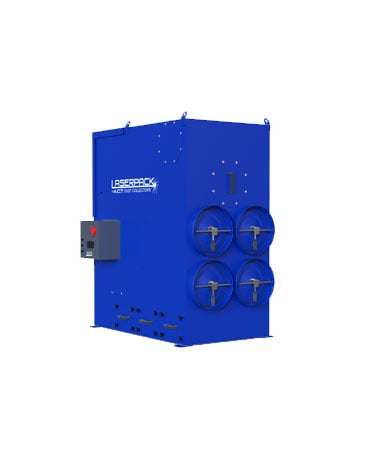
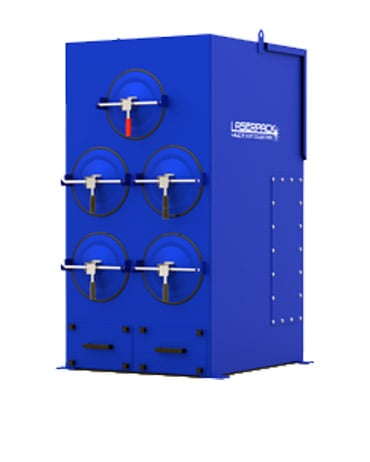
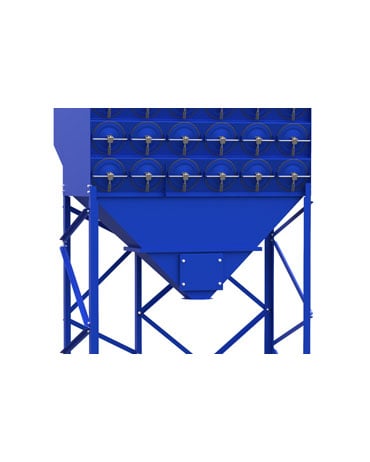
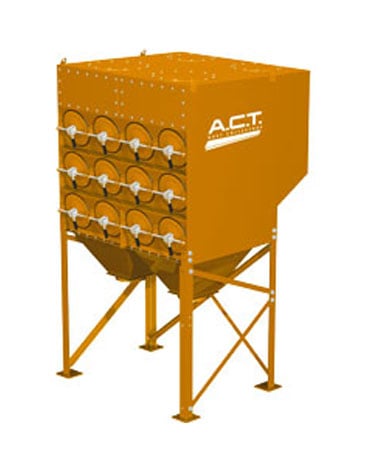


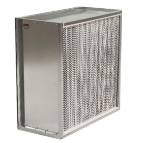

Choosing whether to install an industrial dust collector indoors or outdoors depends on several factors, including available space, dust characteristics, climate, and safety requirements.
An indoor dust collector system can provide easier access to equipment and protection from outdoor conditions. Installing a dust collector outside can preserve valuable manufacturing space and may be preferable for certain combustible dust applications.
Both options have advantages. Here are seven factors to consider when determining the best location for your industrial dust collection system.
Outdoor vs. Indoor Dust Collector Systems: 7 Factors to Consider
1. Installation and Maintenance Access
When choosing a location for your dust collection system, consider whether there's enough room to install and maintain the equipment.
Dust collectors require adequate clearance for filter replacement, inspections, and other maintenance tasks. Depending on the size of the system, access for forklifts, scissor lifts, or cranes may also be necessary.
2. Collector Size and Available Space
Industrial dust collectors vary in size, and larger systems can occupy valuable manufacturing floor space.
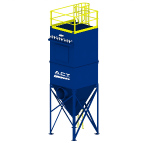
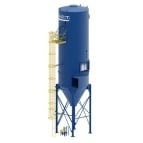
An outdoor dust collector can preserve indoor space for production equipment, storage, and other operations. However, exterior installations may require additional ductwork and site preparation.
Consider the collector's dimensions, available space, and installation costs when determining which location makes the most sense for your facility.
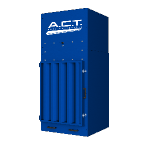
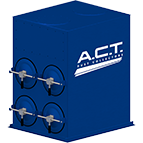
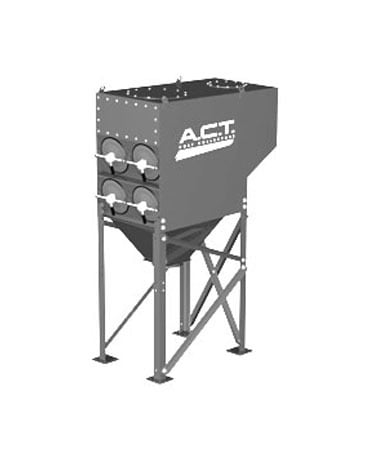
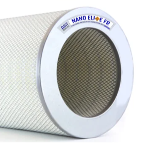
For facilities where floor space is limited, cartridge dust collectors offer compact filtration options for a range of industrial applications.
3. Dust Type and Combustibility
The type of dust being collected is an important consideration when selecting a dust collector location.
Combustible dust, including certain metal and wood dusts, can create fire or explosion hazards. Outdoor installation is often preferred for these applications because it can provide separation from occupied work areas and accommodate certain explosion protection measures.
However, not all combustible dust applications require outdoor installation. Placement should be determined by the dust characteristics, system design, applicable NFPA standards, and facility safety requirements.
4. Climate and Weather Conditions
Climate can influence the performance and maintenance requirements of an outdoor dust collector.
In cold-weather environments, the collector, fan, and connecting ductwork may cool down when the system is offline. When operations resume, returning air may initially be cooler until the system reaches operating temperature.
Cold-weather accessories, such as air dryers and solenoid heater kits, may be needed depending on the equipment and operating conditions.
 5. Building Construction and Ductwork
Building construction can affect the complexity of installing an indoor or exterior dust collector.
Outdoor systems typically require ductwork connections through exterior walls. Depending on the building materials and layout, these penetrations may be difficult or costly.
An indoor dust collector may be more practical when exterior ductwork connections are challenging or when equipment can be positioned closer to dust-generating processes.
6. Outdoor Dust Collector Placement
When installing a dust collector outside, consider its location relative to the building's roofline and surrounding structures.
Rooflines can affect where snow, ice, and rainwater accumulate or drain. Placing equipment beneath heavy runoff or falling ice can create maintenance challenges and potentially damage components.
Choose a location that protects the equipment from unnecessary exposure while maintaining safe access for inspections and maintenance.
7. Foundation and Ground Conditions
Outdoor dust collectors require a stable, level foundation that can support the equipment.
A concrete pad is commonly used for exterior dust collector installations. The foundation must accommodate the collector's size, weight, and applicable site conditions.
Confirm the manufacturer's installation requirements before preparing the foundation.
Frequently Asked Questions About Dust Collector Installation
Is it better to install a dust collector indoors or outdoors?
Neither indoors or outdoors is universally better for a dust collector. Indoor dust collectors offer protection from weather and may simplify equipment access, while outdoor installations preserve manufacturing space. The best location depends on the type of dust being collected, available space, maintenance needs, and applicable safety requirements.
Can an industrial dust collector be installed outside?
Yes, many industrial dust collectors are designed for outdoor installation. An exterior dust collector must be suitable for the local climate and installed on an appropriate foundation. Facilities should also consider ductwork connections, maintenance access, weather exposure, and any accessories needed for reliable operation.
Do combustible dust collectors have to be installed outdoors?
Not all combustible dust collectors must be installed outdoors. Installation requirements depend on the dust hazard, collector design, protection measures, and applicable safety standards. Outdoor placement is often preferred for certain applications, but indoor installation may be possible when appropriate safeguards and requirements are met.
Find the Right Dust Collector Installation for Your Facility
Choosing between an indoor and outdoor dust collector requires evaluating your facility's space, dust characteristics, climate, and installation requirements.
A.C.T. Dust Collectors can help determine the appropriate location for your industrial dust collection system. Contact our team to discuss your application and installation needs.


