






















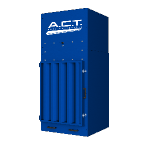

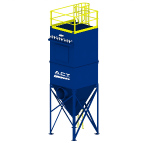
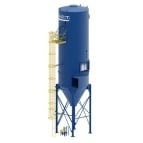
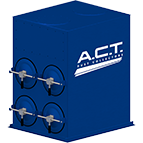

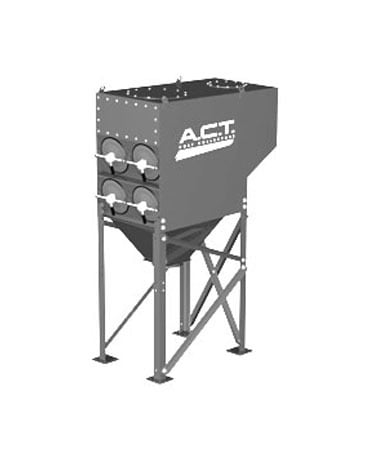
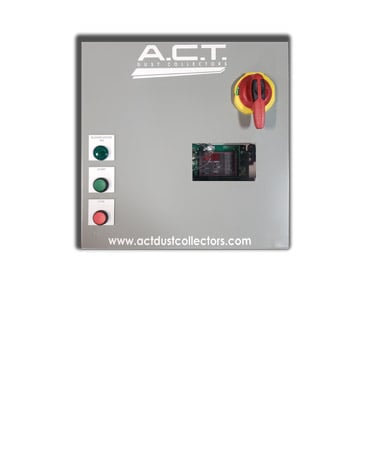
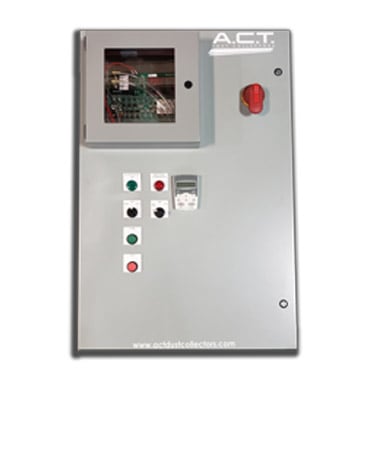
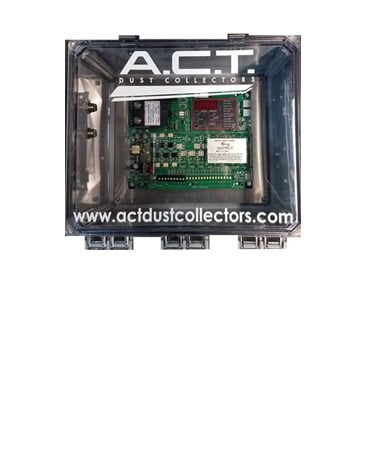



Dust collection for high-volume plasma cutting must maintain source capture through long cutting cycles, changing materials and simultaneous table operation. Airflow, filter area, cleaning capacity and dust removal all need to match the production schedule. A single table with extended torch-on time can place sustained demands on a collector, just as several tables operating together can.
As production increases, the collection system needs to keep pace without creating frequent maintenance interruptions. This guide explains what to review before expanding production or upgrading an existing system.
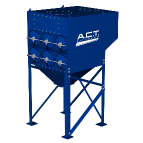
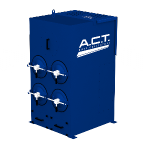
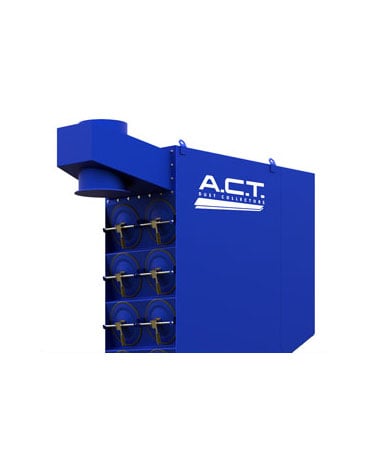
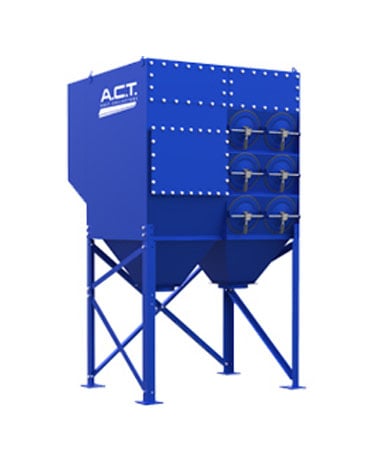
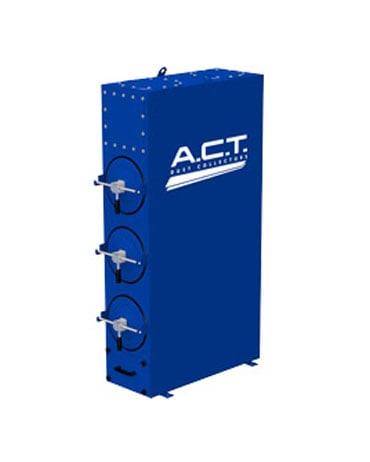
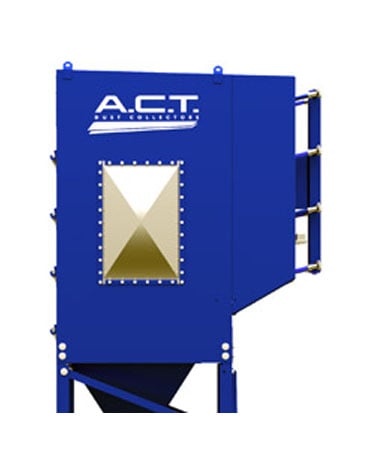
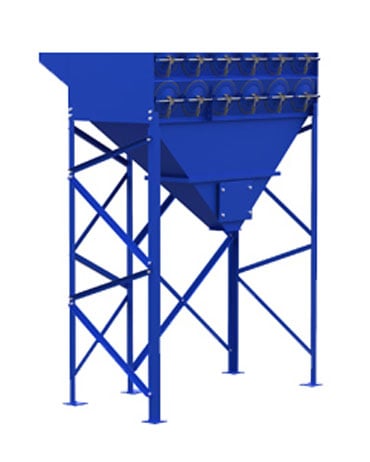
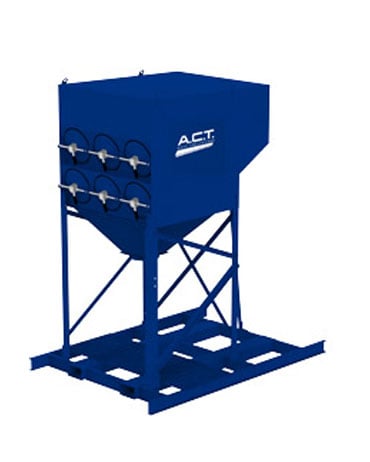
For equipment options, explore A.C.T.’s plasma cutting dust collection systems.
Why High-Volume Plasma Cutting Changes Collection Requirements
Plasma cutting uses an electrically conductive gas to cut conductive materials, generating fine metal particulate and fumes. The composition of those contaminants depends on the base metal, coatings and process conditions. Cutting speed, the number of cutting heads and torch-on time also influence how much material enters the collection system.
Longer production runs create sustained dust loading, giving the system less time between cutting cycles. Filters must capture incoming particulate while the cleaning and discharge systems handle accumulated dust. A collector that performs adequately during occasional cutting may face different demands when the same table operates across longer shifts.
Review the expected production pattern before determining collection requirements. More tables can increase simultaneous airflow demand, while longer torch-on time can increase dust loading without changing the table dimensions. Changes in materials or coatings may also require a review of filter suitability and exposure hazards.
Maintain Source Capture Across Active Tables
In a dry downdraft system, extraction draws plasma cutting fumes beneath the workpiece and through ductwork to the collector. Some larger tables use zones that open extraction beneath the active cutting area. This concentrates extraction where cutting occurs rather than drawing through the entire table continuously.
The table’s extraction design should guide airflow requirements. Confirm the manufacturer’s specifications, including how zones and dampers operate, before sizing or modifying the collection system. When several tables share a collector, establish which tables and extraction areas may operate simultaneously. The system must deliver the required airflow to each active connection under those conditions.
Adding another table therefore requires a review of the fan, ductwork, controls and available filter area. Existing capture problems also deserve investigation before equipment is expanded. Table openings, duct buildup or malfunctioning dampers can affect airflow, even when the collector’s fan continues running.
Match Filtration and Cleaning to Sustained Plasma Dust Loads
Fine plasma dust requires suitable filter media, but filtration efficiency alone doesn’t establish collector capacity. The system also needs sufficient filter area and effective cleaning for the expected loading. Evaluate these requirements using the materials processed, active cutting heads, torch-on time and typical production schedule.
Pulse cleaning releases accumulated particulate from the filters so it can fall into the collection area below. During extended production, the cleaning system must function as intended while the collector continues handling incoming dust. Available compressed air and the condition of cleaning components are therefore important parts of the review.
Differential pressure measures the pressure difference across the filters and helps operators track changes in filter resistance. Record readings alongside operating conditions so changes can be compared with production demands. A rising reading that doesn’t recover after cleaning warrants investigation into compressed air supply, cleaning components, filter condition and increased dust loading.
More frequent pulsing won’t resolve every loading problem. Before adjusting cleaning settings, determine whether the process has changed or a component needs attention. Otherwise, the system may consume additional compressed air without correcting the underlying issue.
Plan Maintenance Around Long Production Runs
High-volume operations need a practical way to inspect, service and empty the collector without unnecessary production disruption. Consider maintenance requirements before equipment placement or expansion, including access to filter doors, pulse-cleaning components and dust containers. Nearby material storage and handling routes should leave those service areas accessible.
Dust removal also needs to match the operating schedule. Establish how collected material will be removed, how often discharge points will be checked and who is responsible. Longer shifts may require a different inspection and emptying routine than an intermittent cutting schedule.
Routine checks should cover filter condition, seals, accessible duct connections, compressed air supply and pulse-cleaning operation. Installed spark-control components also need inspection according to equipment instructions. Recording these observations alongside differential pressure and capture performance gives maintenance teams useful context when investigating changes.
Service access and maintenance planning affect operating costs as well as uptime. A.C.T.’s guide to dust collector total cost of ownership explains how filters, servicing and downtime contribute to ongoing expenses.
Evaluate Hazards When Materials or Production Change
Plasma cutting fumes vary with the base metal, coatings and process conditions. Stainless steel cutting can present hexavalent chromium exposure concerns, while other materials introduce different hazards. Review material information and exposure conditions when production changes rather than assuming the existing controls remain suitable.
Particulate filtration and gas control also require separate consideration. A cartridge filter captures particles, but its efficiency rating doesn’t establish control of gaseous contaminants. Exposure assessment is needed to evaluate worker protection because clear-looking shop air or a high filter rating cannot demonstrate compliance by itself.
Hot particles and sparks require evaluation when planning dry collection. Spark-control equipment can help reduce risk, but it doesn’t guarantee that a collector cannot catch fire. Potential combustible metal dust hazards also require an application-specific review of collection methods and protective measures before equipment or production changes proceed.
High-Volume Plasma Dust Collection FAQs
Can one dust collector serve multiple plasma tables?
One dust collector may serve multiple plasma tables when designed for their combined operating requirements. Review simultaneous airflow demand, dust loading, duct distribution and controls. Connecting another table without checking available capacity can reduce capture at other active tables, so expansion should include a review of the complete system.
Why does fume capture weaken during a long shift?
Capture can weaken as filter resistance increases, cleaning becomes ineffective or dust accumulates in the table or ductwork. Changes in active extraction zones may also affect airflow. Compare capture performance with differential pressure and production records, then inspect the system before assuming a larger collector is needed.
Should a production increase trigger a dust collection review?
Yes. Longer torch-on time, added shifts or more simultaneous cutting can increase collection demands even when table dimensions stay unchanged. Review airflow, filter loading, cleaning performance and dust removal before increasing output. New materials or coatings should also prompt a review of exposure and fire hazards.
Review Collection Capacity Before Expanding Production
Before increasing plasma cutting output, document the proposed operating schedule, active tables, materials and current collection performance. Include concerns such as weakening capture, frequent filter changes or pressure readings that remain elevated after cleaning. These details help identify whether the existing system needs maintenance, modifications or additional capacity.
A.C.T. Dust Collectors can help evaluate collection requirements for sustained plasma cutting operations. Talk to our team about your production plans, facility layout and existing equipment to determine the next steps for your facility.


