



.svg)



















%20Collectors%20Image.png?width=143&height=143&name=ADC%20(Ambient)%20Collectors%20Image.png)
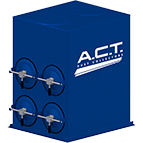
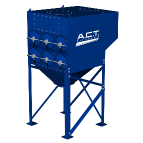
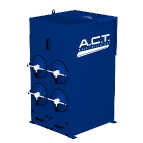

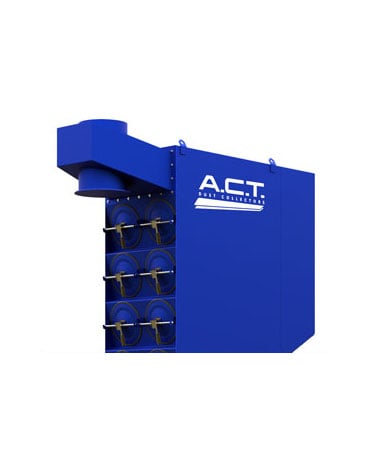
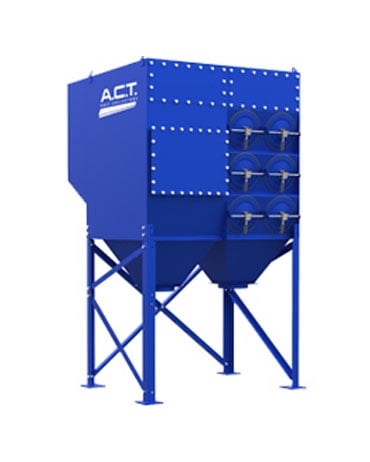
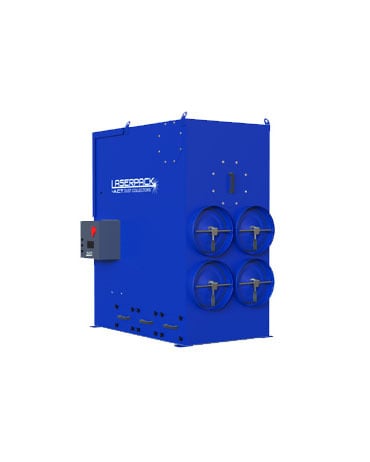
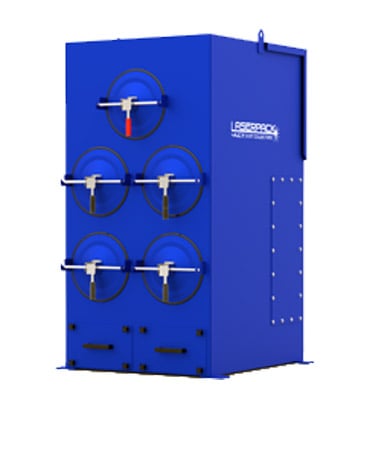
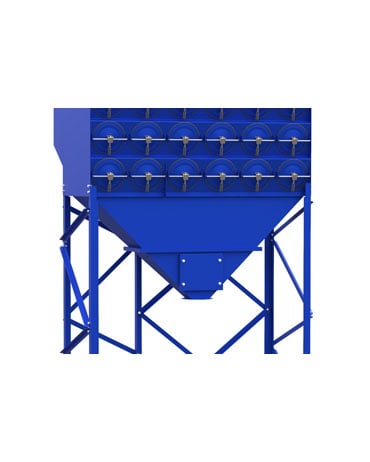
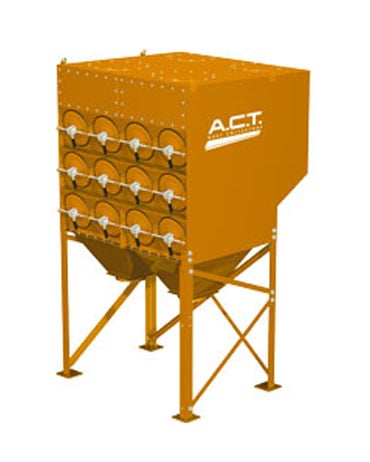
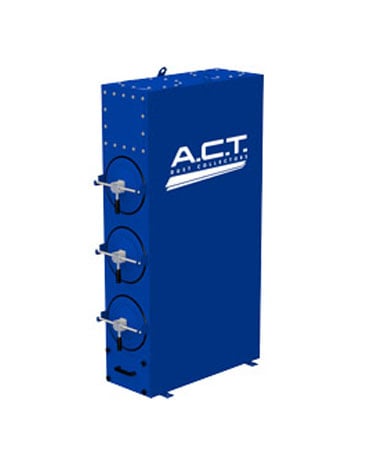
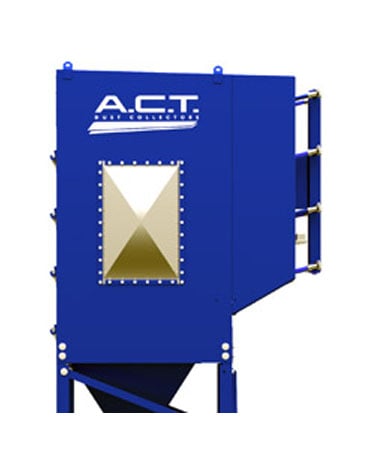
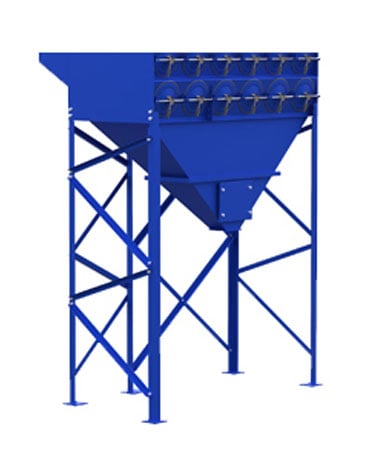
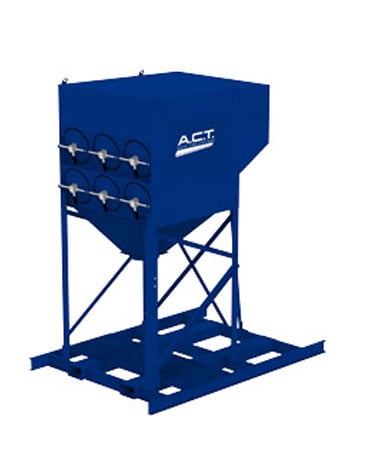
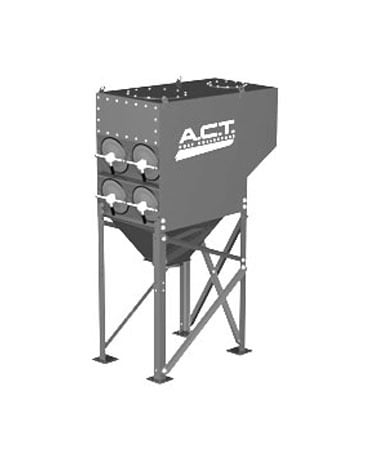
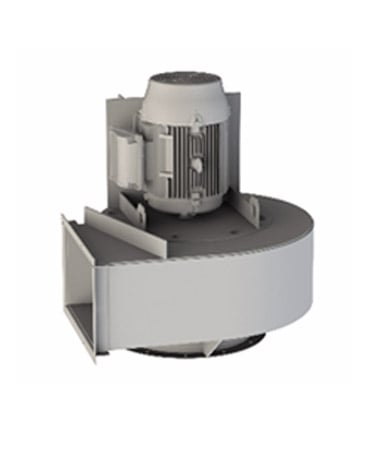
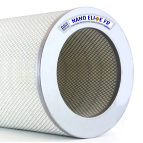

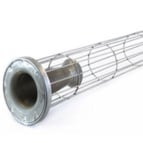
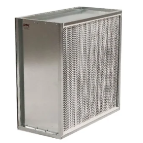
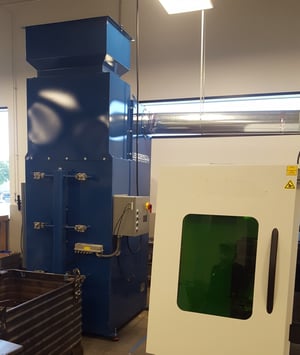
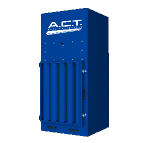
A Texas manufacturer needed an effective dust collection solution for a new fiber laser cutting machine. While the laser provided exceptional cutting speed and precision, it also generated extremely fine particulates that could affect air quality, employee safety, and equipment performance.
A.C.T. Dust Collectors recommended a LaserPack dust collection system equipped with advanced filtration technology to capture fine laser cutting dust and help maintain reliable operation.
Project Snapshot
Industry: Metal fabrication
Application: Fiber laser cutting dust collection
Location: Texas
Challenge: Capturing extremely fine laser-generated particulate
Dust Type: Laser cutting smoke, fumes, and fine metal dust
System Installed: LaserPack 6 with NanoElite filters and HEPA after-filter
Outcome: Improved air quality and long filter life
The Challenge: Collecting Extremely Fine Laser Cutting Dust
The manufacturer recently installed a fiber laser cutting machine and needed a filtration system capable of handling the extremely fine particulate generated during operation.
Fiber laser cutting uses a concentrated beam of light to cut metal with exceptional precision. During the process, metal is heated and vaporized, creating smoke, fumes, metal oxides, and microscopic airborne particles.
In this operation:
- Fine dust was generated during laser cutting
- Airborne particulate could affect equipment performance
- The facility wanted to maintain clean air for employees
- The system needed to capture sub-micron particles efficiently
- Long filter life was an important consideration
The customer needed a dust collection system specifically designed for laser cutting applications.
The Solution: LaserPack 6 with Advanced Filtration
After reviewing the application, A.C.T. Dust Collectors recommended the LaserPack 6, a dust collector specifically designed for fiber laser cutting environments.
The system included:
- LaserPack 6 dust collector
- NanoElite nanofiber cartridge filters
- Integrated spark trap
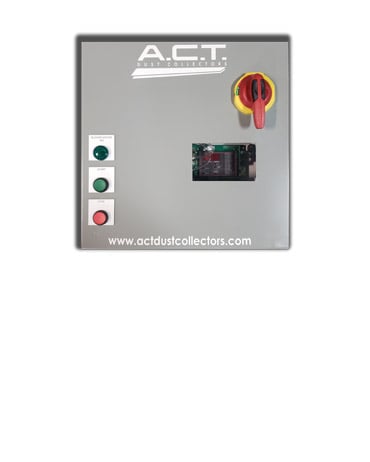
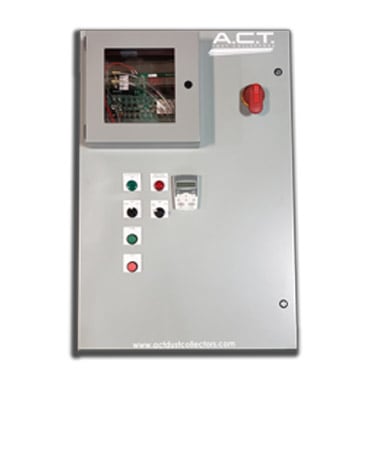
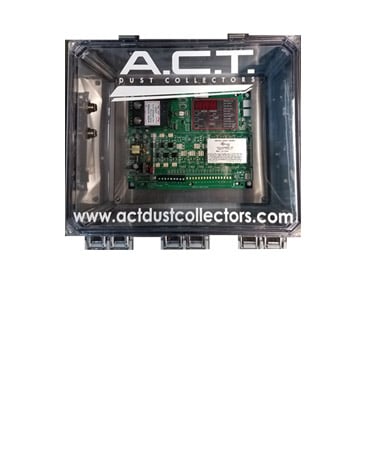
- Pre-wired controls
- Noise attenuation blower enclosure
- Remote start functionality
- HEPA after-filter plenum
The system was selected for its:
- Ability to capture extremely fine particulate
- Surface-loading filter technology
- Simplified installation and operation
- Additional protection through HEPA filtration
The addition of a HEPA after-filter provided an extra layer of filtration for ultra-fine particles generated during laser cutting.
Installation & Performance
The LaserPack 6 was installed and integrated directly with the fiber laser cutting machine.
Outcomes:
- Effective capture of laser-generated dust and fumes
- Improved facility air quality
- Long filter life with no early replacement requirements
- Reliable operation of the laser cutting process
- Reduced risk of dust-related equipment issues
After six months of operation, the customer reported strong satisfaction with the system's performance and had not needed to replace any cartridge filters.
Dust Collection for Fiber Laser Cutting Applications
Fiber laser cutting operations require dust collection systems that can:
- Capture extremely fine particulate efficiently
- Protect expensive laser equipment
- Reduce airborne smoke and fumes
- Support consistent cutting quality
- Maintain long filter life
Specialized filtration media are often critical in laser cutting applications because standard filters may struggle to capture and release extremely fine dust particles effectively.
Proper dust collection helps improve air quality, reduce maintenance, and support reliable production.
Work with A.C.T. Dust Collectors
If your facility operates fiber laser cutting equipment, A.C.T. Dust Collectors can design a dust collection solution tailored to your process. Contact our team to discuss the right system for your application.
Frequently Asked Questions
What is a fiber laser dust collection system?
A fiber laser dust collection system is designed to capture and filter the smoke, fumes, metal oxides, and fine particulates generated during fiber laser cutting. These systems help maintain air quality, protect equipment, and support consistent cutting performance.
Effective filtration is especially important because laser cutting often generates extremely small airborne particles.
What are nanofiber filters?
Nanofiber filters are high-efficiency filtration media that use an ultra-fine layer of fibers on the surface of the filter material. This design helps capture very small particles before they penetrate deep into the filter.
Benefits of nanofiber filters often include:
- Improved capture of fine particulate
- Better pulse-cleaning performance
- Reduced filter blinding
- Longer filter life
- More consistent airflow
These characteristics make nanofiber filters particularly effective in laser cutting applications.
What is filter blinding in a dust collector?
Filter blinding occurs when dust particles become embedded within the filter media instead of remaining on the surface. Over time, this can restrict airflow and reduce filtration efficiency.
Applications that generate extremely fine particulates are more susceptible to filter blinding if the wrong filter media is used.
Surface-loading filter technologies help reduce this issue by keeping dust on the outer layer of the filter where it can be removed during pulse cleaning.
Why are HEPA after-filters used in laser cutting applications?
HEPA after-filters are used in laser cutting applications to provide an additional level of filtration for extremely fine airborne particulate. These filters are installed downstream of the primary dust collector to capture particles that may bypass the main filtration stage.
HEPA filtration can help:
- Improve air quality
- Capture ultra-fine particles
- Protect indoor environments
- Reduce airborne contaminants
- Provide additional filtration assurance
What types of contaminants are generated during fiber laser cutting?
Fiber laser cutting generates a combination of airborne contaminants as metal is heated and vaporized during the cutting process.
Common contaminants include:
- Metal dust
- Metal oxide particulate
- Smoke
- Fumes
- Vaporized material residues
- Ultra-fine airborne particles
Proper dust collection systems are designed to capture these contaminants before they can spread throughout the facility or affect equipment performance.

.png?width=240&height=91&name=ACT%20Dust%20Collectors%20Logo%20Solid%20White%202020%20(1).png "ACT Dust Collectors Logo Solid White 2020-2")
.png?width=148&height=149&name=usa-manufactured-dust-collectors%20(1).png "United States Flag")