



.svg)

















%20Collectors%20Image.png?width=143&height=143&name=ADC%20(Ambient)%20Collectors%20Image.png)
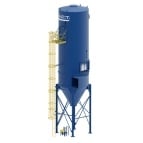
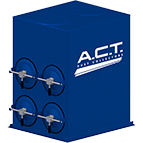
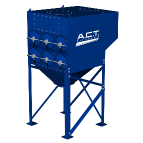
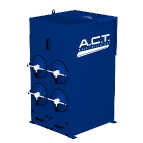

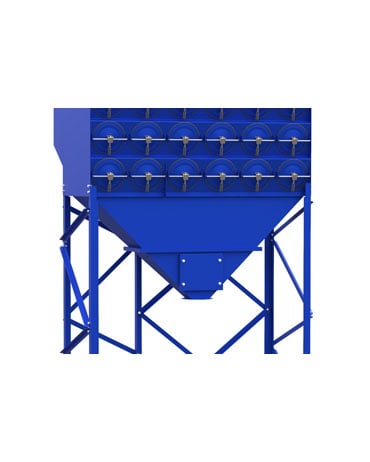
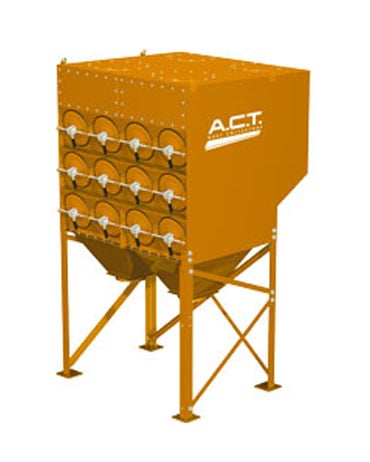
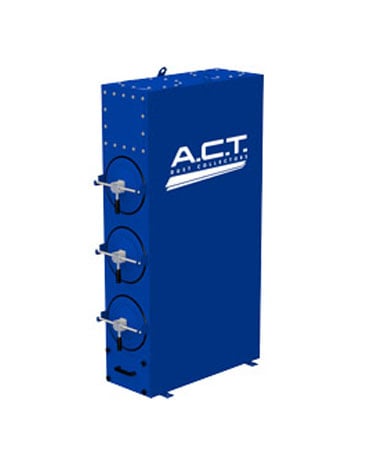
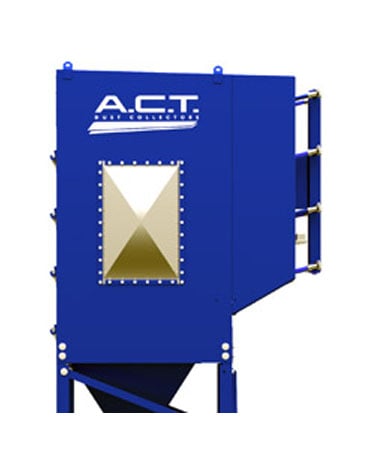


Keeping an industrial facility clean and compliant depends on how well your dust collection system performs - air stays cleaner, equipment lasts longer, and utility bills stay in check. If your goal is maximizing dust collection system efficiency, the wins show up across your operation: better air quality, fewer unscheduled stoppages, and predictable maintenance cycles.
Now, if you’re exploring options or planning a refresh, start with our dust collector systems and the range of industrial applications we support. Aligning system design with your processes, space, and performance targets sets you up for consistent, compliant results.
Why Efficiency Matters in Dust Collection
An efficient system lowers operating cost by moving the right volume of air with the least power and by keeping filters working longer between changeouts. It improves safety by controlling dust particles at the source, sustaining a healthier work environment and stable air quality. Strong performance also supports regulatory programs that address airborne contaminants and combustible dust hazards. For general background on combustible dust risks, see OSHA’s overview.
Beyond immediate safety benefits, efficient dust collector systems protect downstream assets. Motors, bearings, and electronics last longer when contaminants are captured before they settle into equipment enclosures or production areas, thus reducing emergency maintenance and production disruptions.
Metrics That Influence System Efficiency
Several measurable factors determine whether your dust collection system is doing its job with minimal waste - core to maximizing dust collection system efficiency.
Air-to-cloth ratio: This represents the foundation of efficient filtration. Your filtration system needs enough filter media to match required airflow. When the air to cloth ratio is too high, dust embeds in the media and filter life suffers; too low, and the collector may be oversized, driving up capital and energy costs. Get the calculation method in our guide to air-to-cloth ratio.
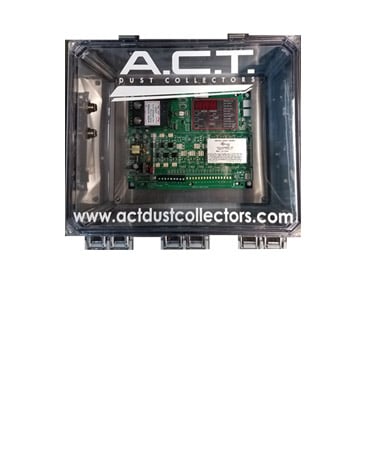
Differential pressure and pressure drop: Monitoring differential pressure tells you how much resistance the filters are adding. Rising pressure drop can indicate loaded filters, insufficient compressed air for pulse cleaning, leaking seals, or mismatched media. Stable readings within your normal operating band usually correlate with healthy airflow and longer filter life.
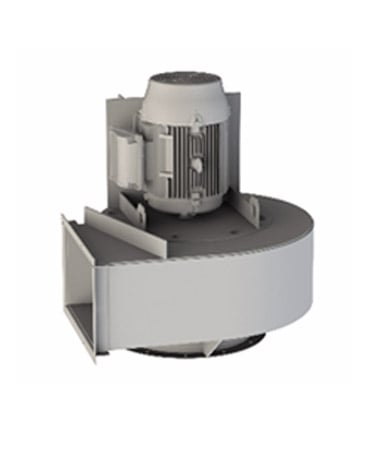
Airflow velocity and energy consumption: Duct velocities must stay within the right range based on your particulate to capture dust and carry it to the collector without settling, but not so high that you accelerate wear or fan load. Airflow that's too low wastes energy through recirculation and cleanup; too high and you pay for unnecessary horsepower. Together, these measurements form your day-to-day dashboard for system optimization.
Designing and Sizing for Optimal Performance
A properly designed system begins with your process: dust characteristics, pickup points, and space constraints. Incorrect sizing leads to pressure loss, unstable capture, and higher utilities. Hood design should surround the source; duct layout should minimize sharp turns and long runs; and fan curves should match expected static pressure. The goal is optimal dust collection at the source so you reliably capture dust before it disperses.
Filter media selection matters as much as equipment size. Media should match particle size/shape, moisture, and temperature. Paired with effective pulse cleaning, the right media preserves airflow and filter life while avoiding increasing energy use to overcome restrictions. Design decisions like these directly help maximize dust collection system efficiency from day one.
When to Upgrade Your Dust Collection System
Not sure if your current setup is holding you back? Watch for signs like frequent filter changeouts, rising or erratic differential pressure, inconsistent airflow at hoods, visible emissions, or steadily rising energy costs. You might also notice increased housekeeping or nuisance alarms, often pointing to undersized collectors, poor duct balance, aging fans or controls, or changed processes.
Plan periodic assessments that review hood performance, duct balance, fan condition, control logic, and safety considerations (including combustible dust programs as directed in the OSHA guidance). If combustible dust is part of your process, we recommend you also get familiar with our NFPA 660 compliance guide to keep your program current.
Ready for a checkup? Talk to our team about whether it’s time to upgrade or reconfigure your system. An assessment focused on upgrading the performance of your dust collection system can reveal low-cost improvements with fast operational impact.
Cost-Effective Upgrades and Add-Ons
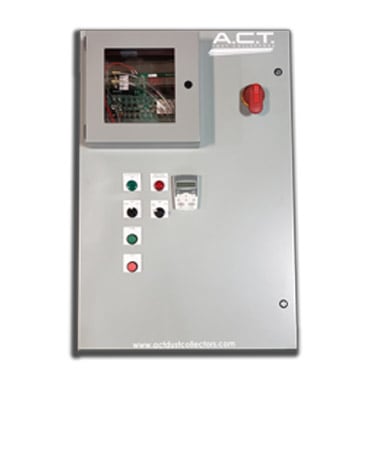
Control upgrades are often the fastest route to gains.
Adding a Variable Frequency Drive (VFD) lets the fan match speed to demand, which typically reduces energy consumption while maintaining setpoint airflow. For variable-torque fans, industry guidance shows that power requirements drop significantly as speed is reduced - one reason VFDs are widely recommended for fan applications.
Other impactful upgrades include on-demand pulse cleaning, higher-performance filter media, and improved door and seal integrity. Better cleaning restores airflow, lowers pressure drop, and extends filter life, allowing the system to move the required air with less horsepower and lower operating cost.
Frequently Asked Questions About Improving Dust Collection Efficiency
How can I tell if my dust collection system is running inefficiently?
Look for rising differential pressure, visible dust particles near hoods, frequent filter changes, and higher energy costs. These symptoms often trace back to sizing, duct balance, or maintenance practices.
What’s the ideal air to cloth ratio for maximum efficiency?
It depends on particle size, loading, media, and duty cycle. Start with the calculation method, then tune to a stable pressure drop band and acceptable emissions using your process data.
How does differential pressure affect dust collector performance?
It indicates how hard the fan must work to move air through the filters. Consistently high or climbing values can signal loaded media, air leaks, or inadequate compressed air for pulse cleaning - conditions that raise horsepower and operating cost.
Can upgrading filters improve energy efficiency?
Yes. Media that releases dust more easily reduces pressure drop, which helps maintain airflow and extend filter life, often lowering fan power needs in the process.
Should I consider a variable frequency drive for my collector?
Often, yes - especially where production varies. Matching fan speed to demand with a VFD typically reduces energy consumption without sacrificing capture performance.
Improve Efficiency, Lower Costs, and Breathe Easier
Facilities that prioritize dust collection system efficiency see less downtime, lower utilities, and cleaner production spaces. By tracking key metrics, designing for stable airflow, and making targeted upgrades, you’ll keep your team safe and productive while improving the efficiency and performance of your dust collection system.
Ready to get more from your system? Let’s talk. Request a quote or contact the A.C.T. Dust Collectors team to review your goals and map your next steps.
.png?width=240&height=91&name=ACT%20Dust%20Collectors%20Logo%20Solid%20White%202020%20(1).png "ACT Dust Collectors Logo Solid White 2020-2")
.png?width=148&height=149&name=usa-manufactured-dust-collectors%20(1).png "United States Flag")