


















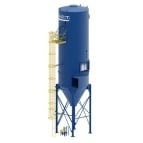
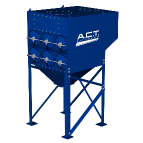

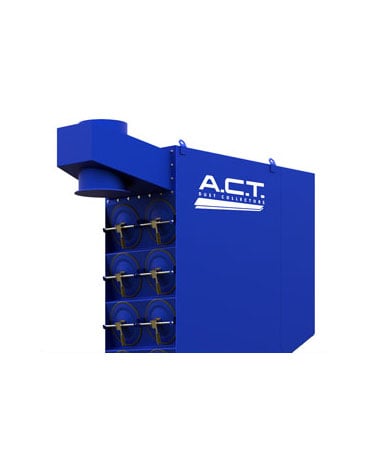
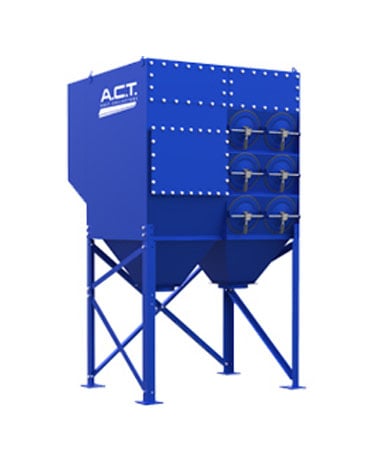
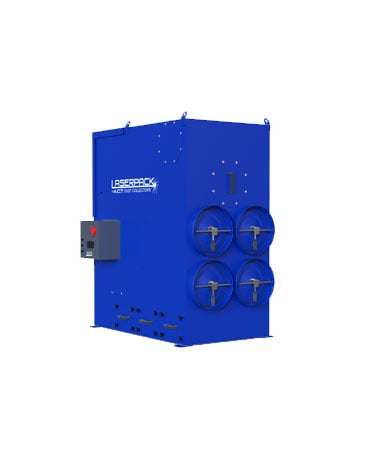
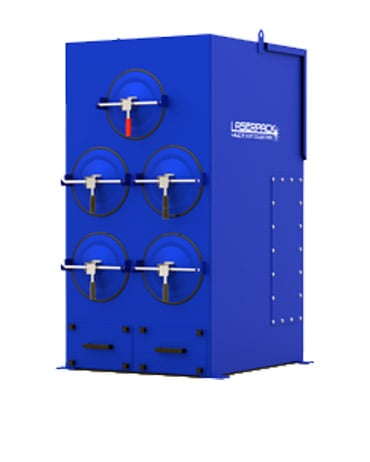
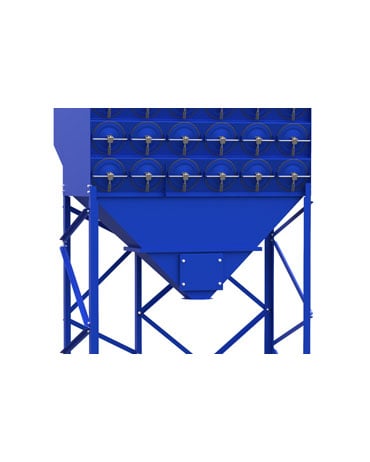
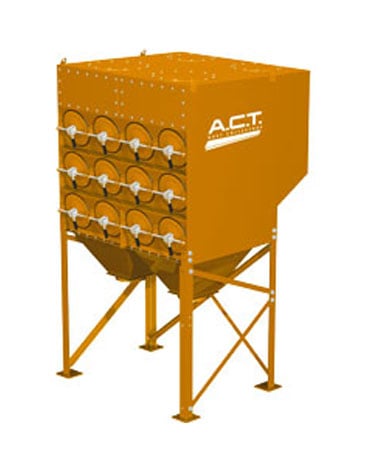
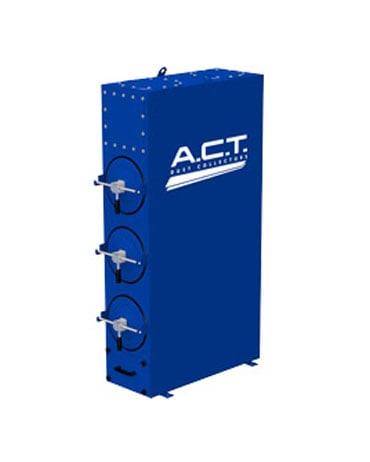
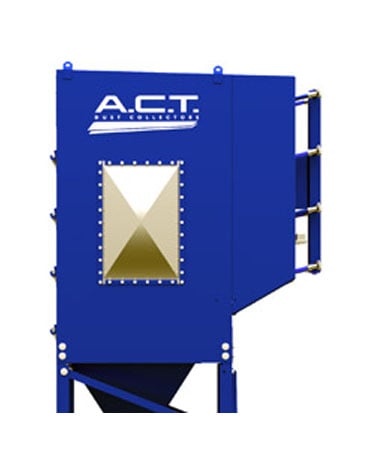


A central dust collection system connects multiple collection points to one dust collector, making it a practical option for facilities with several dust-producing operations. Portable dust collectors serve individual workstations or smaller areas and can be moved as production needs change. The right choice depends on your facility's layout, airflow requirements, and applications.
For operations currently using several portable units, switching to a central system may simplify maintenance and free up valuable floor space. A.C.T. Dust Collectors offers industrial dust collection systems designed for a range of manufacturing environments.
What is a Central Dust Collection System?
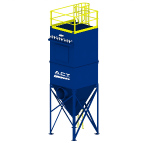
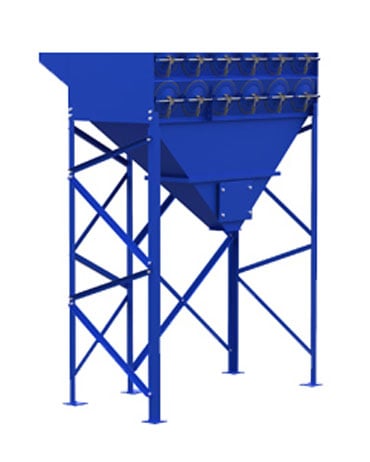
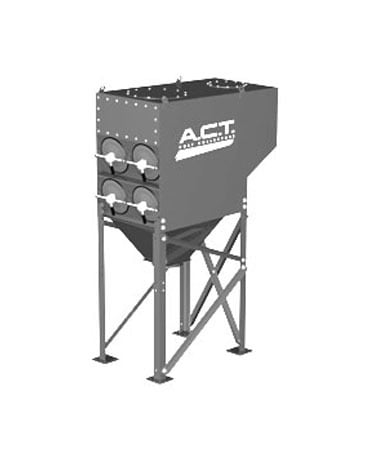
A central dust collection system uses ductwork to connect multiple dust-producing machines or workstations to a shared collector. Dust and airborne particles travel through the ductwork to a central filtration system, where they're separated from the airstream and collected for disposal.
These systems are commonly used in facilities with multiple production areas or processes that generate significant amounts of dust or fumes.
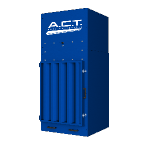
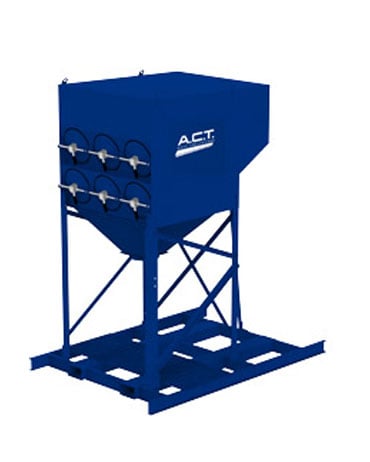
Portable dust collectors operate closer to the source of dust generation. They're generally smaller, serve fewer collection points, and offer flexibility for operations where equipment locations frequently change.
Central vs. Portable Dust Collectors: Key Differences
Both central and portable dust collectors help control airborne contaminants, but their installation, maintenance, and operating requirements differ.
|
Feature |
Central Dust Collection System |
Portable Dust Collector |
|
Collection points |
Can serve multiple workstations |
Typically serves one or a few locations |
|
Airflow capacity |
Designed around combined facility requirements |
Sized for localized applications |
|
Floor space |
Can be installed outdoors or away from production areas |
Typically occupies space near the workstation |
|
Maintenance |
Centralized filter maintenance and dust disposal |
Multiple units may require separate maintenance |
|
Flexibility |
Best suited for established production layouts |
Easier to relocate as operations change |
|
Installation |
Requires ductwork and system planning |
Generally simpler to install and reposition |
For facilities operating several portable collectors, a central system may offer advantages in maintenance, available floor space, and overall dust management.
Benefits of Central Dust Collection Systems
Centralized Filter Maintenance
Maintaining multiple portable dust collectors means inspecting, cleaning, and replacing filters across several machines. A central system consolidates much of that work into one location.
Many central systems also use automatic pulse-cleaning technology to remove accumulated dust from filter surfaces. Short bursts of compressed air dislodge dust, helping control differential pressure and maintain airflow.
Some portable collectors offer automatic cleaning as well, so filter performance depends on the equipment and maintenance practices.
Learn more about how pulse-cleaning systems work and their role in maintaining dust collector performance.
More Available Production Space
Portable collectors occupy floor space near the equipment they serve. In facilities with several workstations, those units can interfere with equipment placement, material handling, or access for maintenance.
A central dust collection system can be located away from production areas. A.C.T. Dust Collectors designs and manufactures central systems for demanding industrial environments, including outdoor installations. Moving dust collection equipment outside or into a designated area can help facilities make better use of their available manufacturing space.
Consistent Dust Collection Across Workstations
A properly designed central system can provide dust collection across multiple connected workstations without requiring employees to reposition portable equipment. System performance depends on appropriate airflow, ductwork design, and filter maintenance. Poorly sized ductwork or inadequate airflow can reduce collection effectiveness, even with a large central collector. Centralized collection also brings captured dust to a shared containment location, simplifying dust handling for some operations.
When Do Portable Dust Collectors Make Sense?
Portable dust collectors remain a practical option for smaller operations or facilities with changing production requirements.
They may be appropriate when:
- Dust generation is limited to one workstation. A dedicated collector may provide sufficient capacity without installing a larger system.
- Equipment frequently moves. Portable units can follow changing workstation locations or temporary production activities.
- Facility modifications are limited. Installing a portable collector generally requires less ductwork and infrastructure.
- Dust collection needs are intermittent. A portable system may be sufficient for occasional work, depending on the application.
Portable equipment can also support localized welding fume collection where a facility-wide system may not be necessary. The important consideration is whether the equipment provides adequate capture and filtration for the dust or fumes being generated.
How to Choose the Right Dust Collection System
Selecting a dust collection system starts with understanding the processes and conditions within your facility.
Consider these factors before choosing between central and portable equipment:
- Number of collection points: Determine how many machines or workstations require dust collection and whether they operate simultaneously.
- Airflow requirements: Calculate the airflow needed to capture contaminants at each collection point and account for system resistance.
- Dust characteristics: Consider particle size, dust concentration, and potential combustible dust hazards when evaluating filtration and system design.
- Available space: Evaluate where collectors, ductwork, and dust containment equipment can be installed without disrupting production.
- Maintenance requirements: Consider filter access, cleaning methods, dust disposal, and the time required to maintain multiple units.
- Future expansion: Account for additional equipment or production changes that could increase collection requirements.
For central systems, proper sizing is especially important. The air-to-cloth ratio helps determine how much filter media is available relative to the airflow moving through the collector.
A system that's too small may struggle to maintain adequate airflow. An oversized system can introduce unnecessary equipment and operating costs. Evaluating these factors early helps identify an appropriate solution.
Find the Right Dust Collection System for Your Facility
A central dust collection system can be an effective choice for facilities managing multiple dust-producing operations. Portable collectors may be better suited to smaller work areas or processes that require flexibility.
A.C.T. Dust Collectors designs and manufactures industrial dust collection systems for applications including welding, cutting, blasting, thermal spray, and powder coating. Our team can help evaluate your facility's airflow requirements, available space, and dust collection needs to determine the right system for your operation. Contact us today to discuss your application.