



.svg)



















%20Collectors%20Image.png?width=143&height=143&name=ADC%20(Ambient)%20Collectors%20Image.png)
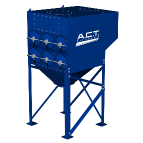
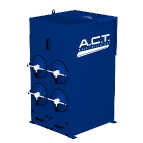

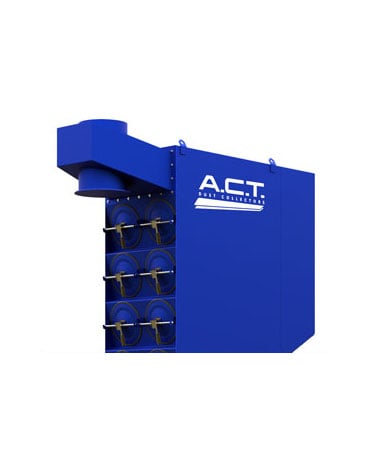
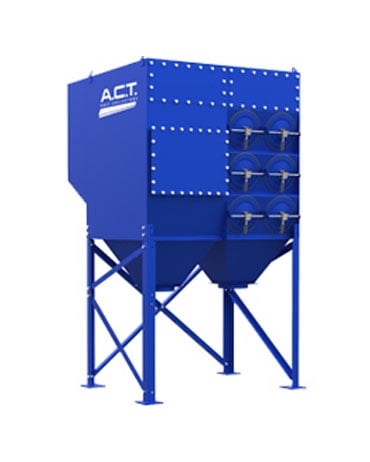
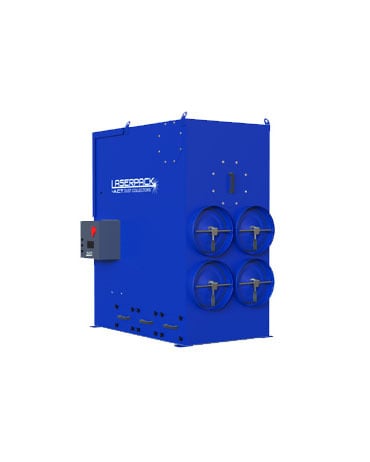
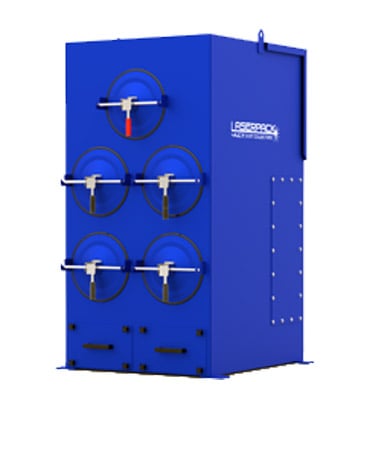
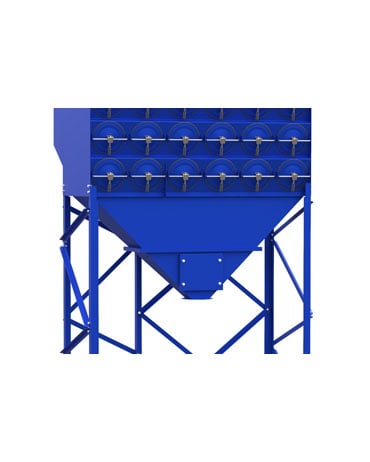
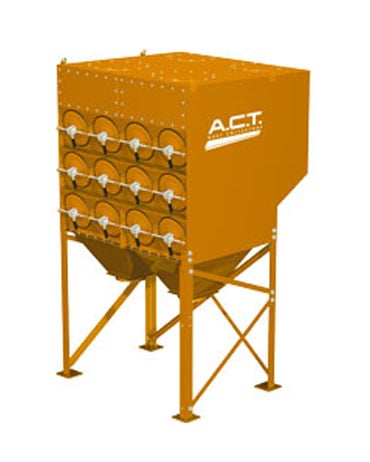
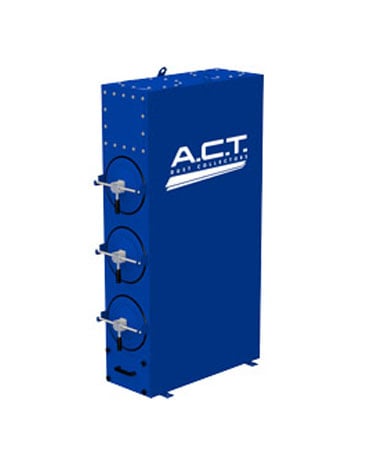
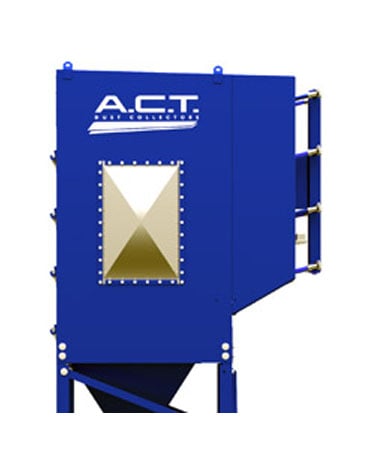
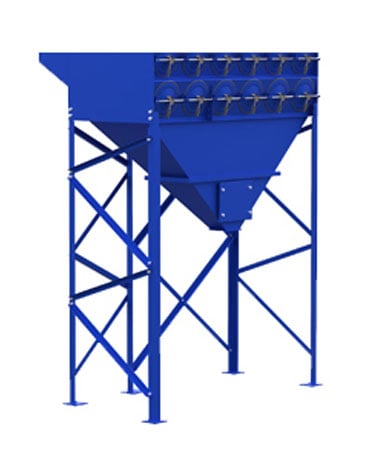
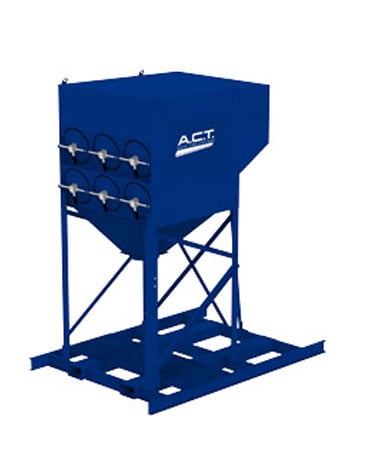
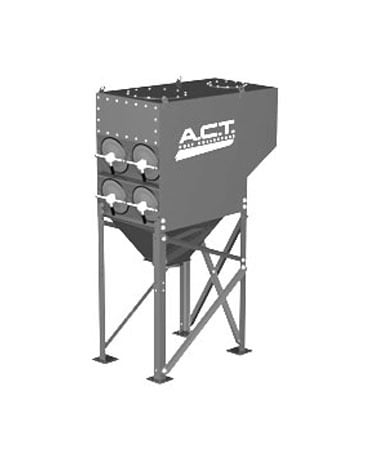
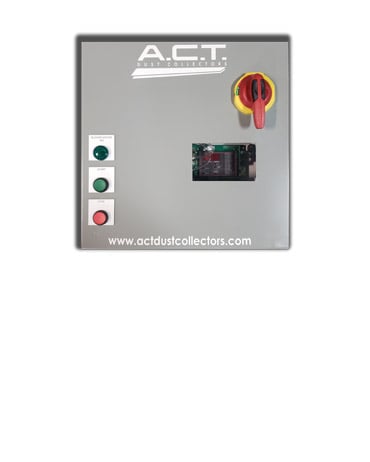
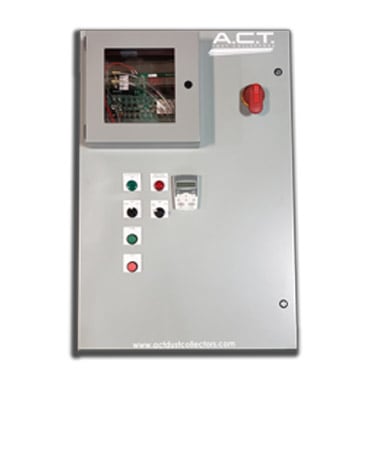
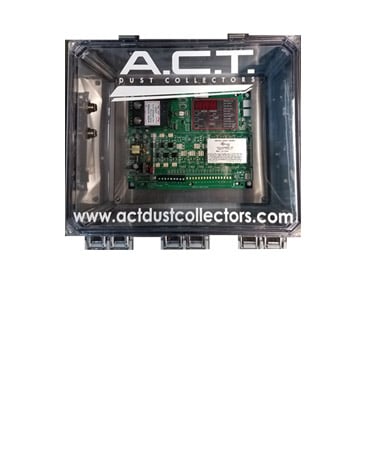
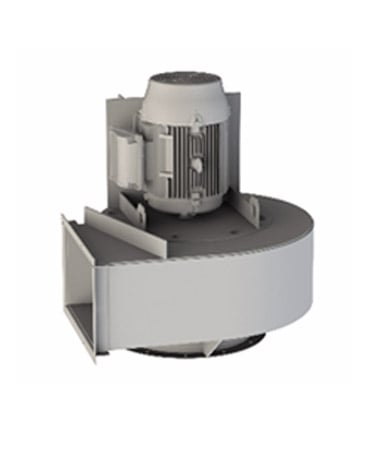
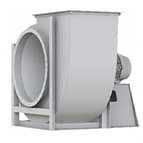
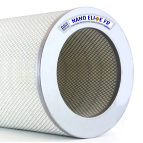

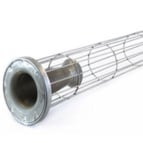
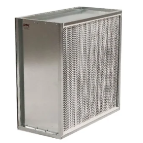

A roadway paint manufacturer needed to improve dust collection performance in a powder processing application. Their existing system struggled to handle the properties of the dust, leading to frequent maintenance and reduced efficiency.
A.C.T. Dust Collectors evaluated the application and recommended a solution based on dust characteristics, improving performance and reducing maintenance requirements.
Project Snapshot
Industry: Paint and coatings manufacturing
Application: Powder mixing and processing
Location: North Carolina
Challenge: Sticky dust causing filter maintenance issues
Dust Type: Heavy, tacky powder and fine paint dust
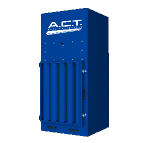
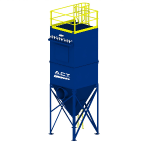
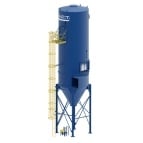
System Installed: TLM198-10 baghouse and ACT 3-18 cartridge dust collector
Outcome: Reduced maintenance and improved dust collection performance
The Challenge: Sticky Dust and Inefficient Filtration
The manufacturer was collecting dust generated during the mixing and melting of color additives used in paints and plastics. These materials were processed in reactors connected to a cartridge dust collector.
In this operation:
- Dust was heavy and slightly sticky
- Cartridge filters required manual cleaning on a weekly basis
- Dust buildup reduced system efficiency
- Maintenance demands increased downtime and labor
Sticky or tacky dust can quickly clog cartridge filters, making them less effective and increasing the need for frequent cleaning.
The customer needed a dust collection system that could handle challenging dust properties without constant maintenance.
The Solution: Baghouse for Sticky Dust, Cartridge for Fine Powder
After evaluating the application, A.C.T. Dust Collectors recommended switching to a baghouse system for the primary process.
The system included:
- TLM198-10 baghouse dust collector for reactor operations
- Designed to handle heavy, tacky particulate
- Improved filter cleaning performance for difficult dust
The baghouse was selected for its:
- Ability to handle higher dust loading
- Better performance with sticky or agglomerating dust
- Reduced maintenance compared to cartridge filters
For a separate application involving fine, dry paint powder, A.C.T. recommended:
- ACT 3-18 cartridge dust collector
This system was selected for its:
- High efficiency with fine, lightweight particulate
- Strong airflow and filtration performance
- Suitability for clean, dry dust conditions
Installation & Performance
After installation of the baghouse system:
- Weekly manual filter cleaning was eliminated
- Maintenance requirements were significantly reduced
- System performance improved immediately
- No ongoing operational issues were reported
The cartridge system installed for the fine powder application also delivered strong performance, maintaining clean air in that area of the facility.
Outcomes:
- Improved efficiency across multiple applications
- Reduced downtime and labor costs
- Proper system selection based on dust characteristics
- Reliable, long-term dust collection performance
Choosing Between Baghouse and Cartridge Dust Collectors
Selecting the right dust collector depends on the characteristics of the dust and the application.
In general:
- Baghouse dust collectors perform well with heavy, sticky, or high-load dust
- Cartridge dust collectors are better suited for fine, dry particulate
- Dust properties such as particle size, moisture, and stickiness impact performance
- Proper system selection reduces maintenance and improves efficiency
Understanding these differences helps ensure the dust collection system is matched to the application. Learn more about which system is right for your facility.
Work with A.C.T. Dust Collectors
If your application involves powder processing, mixing, or challenging dust conditions, A.C.T. Dust Collectors can help you choose the right system. Talk to our team to find the best dust collection solution for your facility.
Frequently Asked Questions
What is the difference between a baghouse and a cartridge dust collector?
The difference between a baghouse and a cartridge dust collector comes down to filter design and application. Baghouse systems use fabric filter bags and are better for heavy or sticky dust, while cartridge collectors use pleated filters and perform best with fine, dry particulate.The wrong decision can hurt indoor air quality (IAQ), trigger OSHA or EPA violations, waste energy, and put employees in harm’s way.
Why is sticky dust a problem for cartridge dust collectors?
Sticky dust is a problem for cartridge dust collectors because it can cling to the filter media and resist pulse cleaning. This buildup reduces airflow, lowers system efficiency, and increases maintenance requirements over time.
Sticky or tacky dust can cause several issues:
- Dust adheres to filter surfaces instead of releasing during pulse cleaning
- Filters clog more quickly, restricting airflow
- Differential pressure increases, reducing system performance
- Frequent manual cleaning or filter replacement is required
- Downtime and labor costs increase
Because cartridge filters rely on effective pulse cleaning to stay clear, they are less suited for applications involving sticky or agglomerating dust.
When is a cartridge dust collector the better choice?
A cartridge dust collector is the better choice when the dust is fine, dry, and free-flowing. These systems provide high filtration efficiency and strong airflow performance, making them ideal for applications like powder coating or light particulate collection.
How do dust characteristics affect dust collector selection?
Dust characteristics affect dust collector selection because factors like particle size, moisture content, and stickiness directly influence how filters perform and how the system operates. Choosing the right system for the dust type helps ensure efficient filtration, reduced maintenance, and long-term reliability.
Key dust characteristics to consider include:
- Particle size: Fine dust requires high-efficiency filtration, while larger particles are easier to capture
- Moisture content: Damp dust can clump together and clog filters or ductwork
- Stickiness: Tacky dust can adhere to filters and resist cleaning
- Dust loading: High volumes of dust require systems designed for heavy particulate
- Combustibility: Some dust types require explosion protection and safety considerations
Matching the dust collector to these characteristics helps maintain proper airflow, improve filter life, and prevent performance issues over time.

.png?width=240&height=91&name=ACT%20Dust%20Collectors%20Logo%20Solid%20White%202020%20(1).png "ACT Dust Collectors Logo Solid White 2020-2")
.png?width=148&height=149&name=usa-manufactured-dust-collectors%20(1).png "United States Flag")